
St. Pauli U19 Coach Drops Bombshell: Is Men's Soccer Condemned by Homophobia? You Won't Believe the Fury!

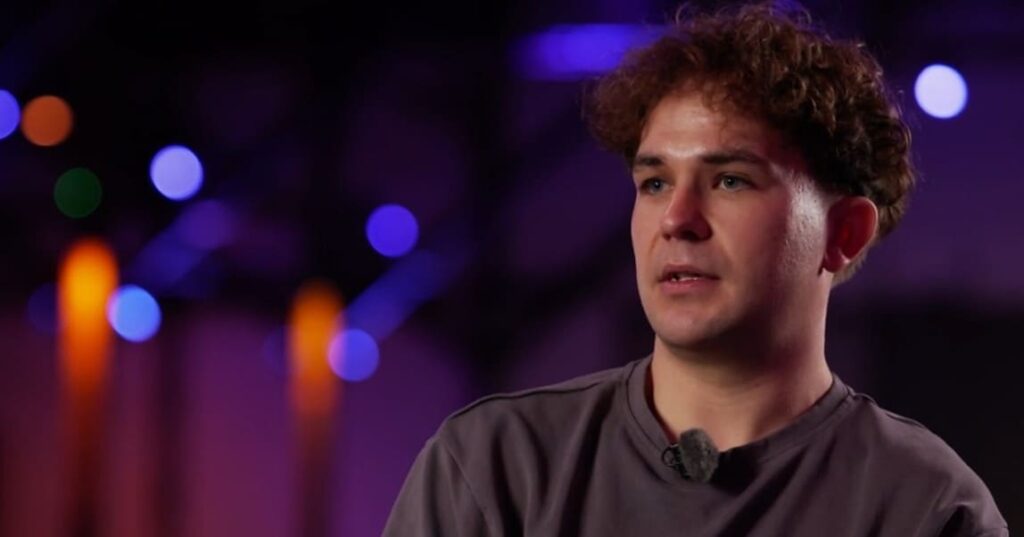
Christian Dobrick, the U19 coach of FC St. Pauli, a prominent club in Germany's Bundesliga, has made headlines by publicly coming out as gay. In recent interviews with Stern and RTL, the 29-year-old coach emphasized that, despite progress, the culture surrounding men’s professional football remains largely unwelcoming for LGBTQ+ individuals. “In professional football, gays are still treated as outsiders,” Dobrick stated, highlighting a pervasive atmosphere of exclusion.
While Dobrick acknowledges he is "certainly not a lone case," he raises concerns about the underrepresentation of gay players at the elite level. He suggested that the intense pressure to conform to a heteronormative lifestyle may deter many from pursuing a professional football career. “Fewer gay footballers reach the top because they have to spend energy on problems that have nothing to do with the sport,” he explained, indicating that this dynamic could hinder both personal wellbeing and performance on the field.
In contrast to the experiences of male players, the landscape for women in football is markedly different. Sexual orientation has become a non-issue in women's sports, where athletes routinely express their identities without fear of backlash. This stark difference underscores a significant cultural divide within the sport.
Dobrick reflected on his own journey, admitting that he had long wrestled with the idea of being open about his sexuality, fearing it might jeopardize his career. “This hide-and-seek game has cost me too much energy,” he shared. With aspirations of advancing to higher levels in coaching, he ultimately chose to prioritize authenticity over the fear of potential consequences.
In his role at FC St. Pauli, which he joined in the summer of 2025 following stints at RB Salzburg, TSG Hoffenheim, and Holstein Kiel, Dobrick has welcomed the club's supportive response. FC St. Pauli's management publicly endorsed his decision to come out, stating, “As FC St. Pauli, we stand behind him and his coming out. Because really it is simple and should apply to everyone: love whomever you want!” This supportive environment is a testament to the club's long-standing commitment to inclusivity and social consciousness.
Notably, Dobrick has received encouragement from influential figures in football, including a meeting with renowned manager Jürgen Klopp. During a conversation with youth coaches, Klopp emphasized the importance of authenticity in coaching: “You can be a coach who is whoever you want to be, but you must stand for something. You must be yourself.” This mantra resonates deeply with Dobrick and reflects a broader movement toward acceptance within the sport.
While there have been notable figures in football who identify as gay, such as Alexander Wehrle, CEO of VfB Stuttgart, and former national player Thomas Hitzlsperger, who was the first prominent German ex-professional to come out in 2014, active players in the men's leagues have remained largely silent. An absence of openly gay players in Germany's top three leagues further illustrates the ongoing stigma that surrounds LGBTQ+ identities in professional football.
Historically, FC St. Pauli has distinguished itself with a progressive ethos, previously led by openly gay president Corny Littmann from 2002 to 2010. The club consistently champions inclusivity, recently making headlines for unveiling a rainbow rooftop on its stadium, signaling a commitment to LGBTQ+ acceptance.
As Dobrick's story gains traction, it brings to light the broader challenges faced by many aspiring athletes who feel pressured to hide their identities. His courage to come forward may inspire a new wave of openness in men's football, reminding us that the sport is richer and more vibrant when all players feel free to be themselves.
You Won't Believe What's Coming to the Former Sherman Grocery Store – Real Estate Alert!

Pacers vs Cavaliers: Shocking Predictions That Could Change Your Bets Forever! Don’t Miss Out!

Apple's Foldable Phone Shock: Why Experts Predict a $1,000 Price Drop You Can't Afford to Miss!

The Shocking Truth: Choosing the WRONG MicroSD Card for Your Android Could Cost You Data—Find Out How!

You Won't Believe What 7 Out of 10 UK Carers Face Daily—The Shocking Truth Revealed!

Is the UK DITCHING Social Media? Shocking Stats Show a MASSIVE Decline—Are You Next?
You might also like: