
Sony's Shocking Layoff Blitz: 300+ Jobs on the Chopping Block—Is Your Favorite Film in Danger?

Sony Pictures Entertainment (SPE) has announced significant layoffs as part of a global reorganization aimed at positioning the company for future growth. CEO Ravi Ahuja confirmed that these cuts, which will impact a few hundred roles across various sectors including Sony Pictures Television (SPT) and the motion picture group, began this week and will continue over the coming months.
In a memo to staff, Ahuja described the restructure as “refining our organisation for the next phase of growth” and emphasized that it is “not a cost-driven exercise, but rather targeted and strategic.” This indicates a shift in the company’s focus, aligning its structure with current business aims rather than past operations.
Key personnel changes have already begun. Game Show Network (GSN) will now operate under the leadership of president of gameshows Suzanne Prete, leading to the departure of John Zaccario, who has been with GSN for 18 years. Additionally, Colin Davis, executive VP of comedy development at SPT Studios, will also exit after three years. These transitions come shortly after the announcement of Eli Holzman and Aaron Saidman leaving SPT’s non-fiction group, which has subsequently been reassigned under SPT Studios president Katherine Pope.
Sony's restructuring follows a series of strategic moves designed to enhance its portfolio. The company has recently acquired a 41% stake in the Peanuts franchise from WildBrain for approximately $390 million, commissioned a YouTube-exclusive spin-off of Jeopardy!, and formed a substantial global movie deal with Netflix valued at around $7 billion. These efforts illustrate SPE's commitment to investing in profitable franchises, gameshows, anime, and adaptations of PlayStation games.
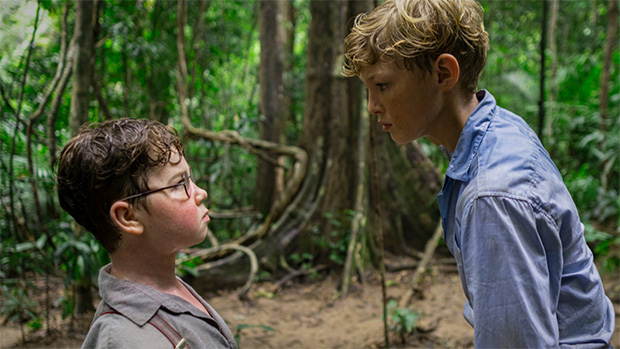
As part of its ongoing strategy, SPE aims to build on its successful television and film studios. The company has established itself within the competitive landscape of entertainment by showcasing popular series such as The Last of Us, The Night Agent, and The Boys. Its UK production partners, like Bad Wolf and Eleven, are also producing notable content, including HBO’s Industry and the BBC’s adaptation of Lord of the Flies. On the unscripted side, shows like Shark Tank, American Idol, and Jeopardy! further enhance its portfolio.
Notably, SPE has maintained a relatively cautious approach during the streaming wars, allowing it to avoid monumental losses that have affected many of its competitors. Ahuja stated in his memo that SPE’s independence as a studio puts it in a unique position to capitalize on market opportunities. “The demonstrated value of our independent television and film studios offers us the flexibility to move with the market – to partner broadly, match projects with the right platforms, and support our creative partners in bringing great stories to life,” he explained.
This organizational shift is indicative of a larger trend in the media industry, where companies must continually adapt to changes in consumer behavior and technology. By realigning its structure to better meet strategic priorities, SPE is positioning itself for what Ahuja describes as “innovation and resilience” in an ever-evolving landscape. The focus on enhancing connectivity with the broader Sony Group ecosystem positions SPE for increased growth, particularly in areas like anime and game IP adaptations.
The implications of these changes extend beyond immediate operational adjustments. As SPE refines its approach and invests in its core franchises, the company is likely to see a shift in content strategy that could resonate with viewers and stakeholders alike. As the entertainment industry continues to evolve, companies like Sony must not only stay agile but also innovative to thrive in a competitive market.
You Won't Believe What Amarillo Is Giving Away: Free Pet Vaccines Could Save You Hundreds!

You Won't Believe How GO Health Is Transforming Lives During National Public Health Week—Find Out What You’re Missing!

Judge SHOCKS PETA: 5 Reasons Their Dog Breed Lawsuit Was THROWN OUT! What’s Next for Pet Lovers?

You Won't Believe What These Soccer Girls Sacrificed for Victory—One Player's Shocking Secret!

Bitcoin Soars Amid US-Iran Truce! Will This Be the Last Chance to Cash In?
Shocking Change: Why RFK Jr. Thinks 11 Childhood Jabs Are a Risky Gamble!
You might also like: