
Smartphone Prices Surge by 30% as RAM Crisis Hits - Are You Prepared for the Tech Fallout?

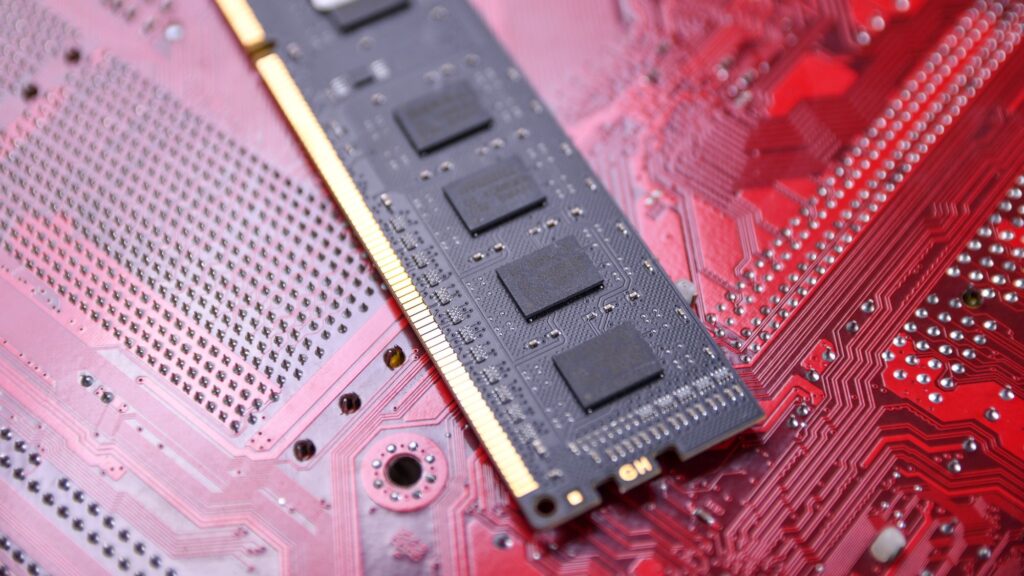
The ongoing RAM crisis, previously confined to consumer memory, is now poised to impact a broader range of technology products. According to a recent analyst report by TrendForce, a market intelligence and consulting firm, the surge in memory prices is expected to affect smartphone and laptop manufacturers as we move toward 2026.
This impending shift is likely to lead prominent smartphone companies like Apple and Samsung to raise prices while also potentially reducing the RAM capacity in their devices. The report highlights that such changes could result in a decrease in the overall number of devices produced by these manufacturers.
Smartphone Downgrades
Despite its relatively independent position in the global market, even Apple may be forced to adjust its pricing strategy in light of the ongoing memory shortage. For instance, the company may choose not to discount older iPhone models when the anticipated iPhone 18 lineup launches next September.
For Android manufacturers, the situation appears more precarious. TrendForce notes that the rising memory costs will compel companies like Samsung to hike the launch prices of new models in 2026. High-end smartphones may not face drastic reductions in specifications; however, users of mid-range and budget devices will likely see significant changes. For example, consumers can expect mid-range devices to feature only 6GB to 8GB of RAM, while budget models are expected to be limited to 4GB. Already, companies like Xiaomi and Redmi have warned customers to prepare for price increases ranging from 20% to 30% in 2026.
The effects of the RAM crisis will also ripple through the laptop market. While companies like Lenovo and HP have stocked up on memory in anticipation of these challenges, the impact on laptop memory prices might not be felt until mid-2026 or later. Nevertheless, reports suggest that manufacturers are preparing to raise prices. For instance, Dell is expected to implement price hikes before the end of December, while Lenovo has notified its retail and enterprise clients that all current quotations will expire on January 1, 2026.
Interestingly, some companies are trying to differentiate themselves in this challenging environment. Framework, for example, is actively marketing itself as a company that won’t exploit customers in the face of rising costs.
TrendForce predicts that laptop manufacturers will minimize RAM in new models to curb expenses. Consequently, high-end laptops may still feature 16GB of RAM, while mid-range and budget laptops are likely to offer around 8GB. As a result, consumers might face significant price fluctuations in the PC market by the second quarter of 2026.
The ongoing RAM crisis shows no signs of abating, with pricing pressures expected to persist until at least 2028. As memory prices continue to soar, consumers should brace for an industry already operating on slim margins to become even more aggressive in terms of pricing strategies moving forward.
As we look ahead, it’s clear that this RAM crisis will have far-reaching implications not only for technology pricing but also for consumer choice and the overall landscape of the tech industry. With both smartphones and laptops facing potential downgrades in specifications alongside price hikes, consumers will need to navigate this evolving market carefully.
UNLV's Erick Harper Unveils Shocking Strategy to Survive the $14 Billion College Sports Crisis!

115-Year-Old Arena Where Babe Ruth Shockingly Played Hockey Is Closing—Find Out Why!

Senate Blocks Health Care Subsidies—Could This Decision Cost You $1,000s? Find Out Now!

Startup Launches Shocking Bid to Seize Twitter Trademarks—Is Your Favorite App Next?

Rage Baiting Artists for Free Promo: 7 Startling Reasons You’ll Regret Ignoring This Dark Trend!

Dow Soars to New Heights! But Why Are Nasdaq and S&P 500 in Deep Trouble? Shocking Earnings Inside!
You might also like: