
Sinn Féin’s Shocking White House St. Patrick’s Day Boycott: What They're Saying About Gaza!

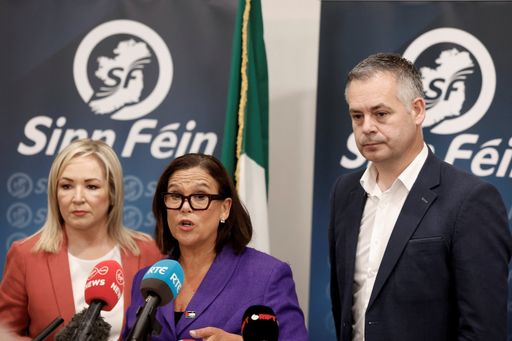
Sinn Féin, the Irish political party, has announced it will boycott the St. Patrick’s Day celebrations at the White House for the second consecutive year. Party President Mary Lou McDonald confirmed the decision on social media, attributing it to ongoing humanitarian crises in Gaza and the occupied West Bank. McDonald emphasized that the conditions in these regions have not improved since last year’s boycott.
“The situation on the ground in Gaza and the occupied West Bank remains dire. Israeli attacks on Gaza have not ended. The genocide continues,” she stated, highlighting the urgency of the situation.
Sinn Féin’s leadership has made it clear that this decision is not indicative of a broader rupture in relations between Ireland and the United States. McDonald reiterated the importance of the historical ties between the two nations. “The ties between the people of Ireland and the United States are very important. As a party, we have deep and enduring bonds that go back decades. These relationships were critical in the peace process and in the campaign for Irish reunification. Those relationships will continue,” she assured.
This boycott reflects a growing sentiment among some members of the Irish political landscape, who are increasingly vocal about their stance on international issues, particularly regarding human rights and humanitarian crises. The decision comes as protests and discussions regarding the situation in Gaza gain momentum globally, putting pressure on political leaders to address these issues more vigorously.
The implications of Sinn Féin's decision extend beyond mere participation in a ceremonial event. It signals a commitment to using political influence to advocate for international law and justice, particularly concerning the situation in Palestine. McDonald’s statements underline a shift in how political parties engage with global human rights issues, emphasizing the responsibility that comes with political power.
As the United States continues to navigate its role in international relations, the decision by Sinn Féin may serve as a reminder that many communities are calling for a reevaluation of policies that affect global humanitarian efforts. The party’s stand invites broader discussions about the responsibilities of political parties in addressing international crises, especially when their own nations are involved in these complex dynamics.
With St. Patrick’s Day celebrations traditionally serving as a platform for Irish leaders to strengthen ties with American officials, Sinn Féin’s absence will certainly be felt. It raises the question of how political leaders can balance ceremonial participation with genuine advocacy for human rights. As the world watches, this decision may inspire other political entities to take similar stands based on their principles and the issues facing global communities.
The situation continues to evolve, and as this year's St. Patrick's Day approaches, the focus will likely remain on the actions of political leaders worldwide as they navigate the complexities of international relations and humanitarian advocacy.
Four Blue Devils on a Secret Mission in Portugal—What They Risk Could Shock You!

You’ll NEVER Guess the 5 Pharmacist Secrets That Could SAVE Your Life—Ask Them Now!

Winter Olympics on the Brink? Discover How Climate Change Could Cancel the Next Games!

Young People on Social Media? Shocking New Study Reveals 80% Are at Risk—You Won't Believe What Happens Next!
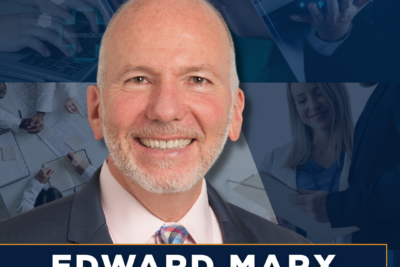
Is This the Future of Medicine? Edward Marx Reveals Shocking Secrets at April 22 Summit!

Germany's Shocking Move: Under-16s Could Be Banned from Social Media! What Happens Next?
You might also like: