
SHOCKING: What Happens When DHS Funding Runs Out? Don’t Miss This White House Briefing!

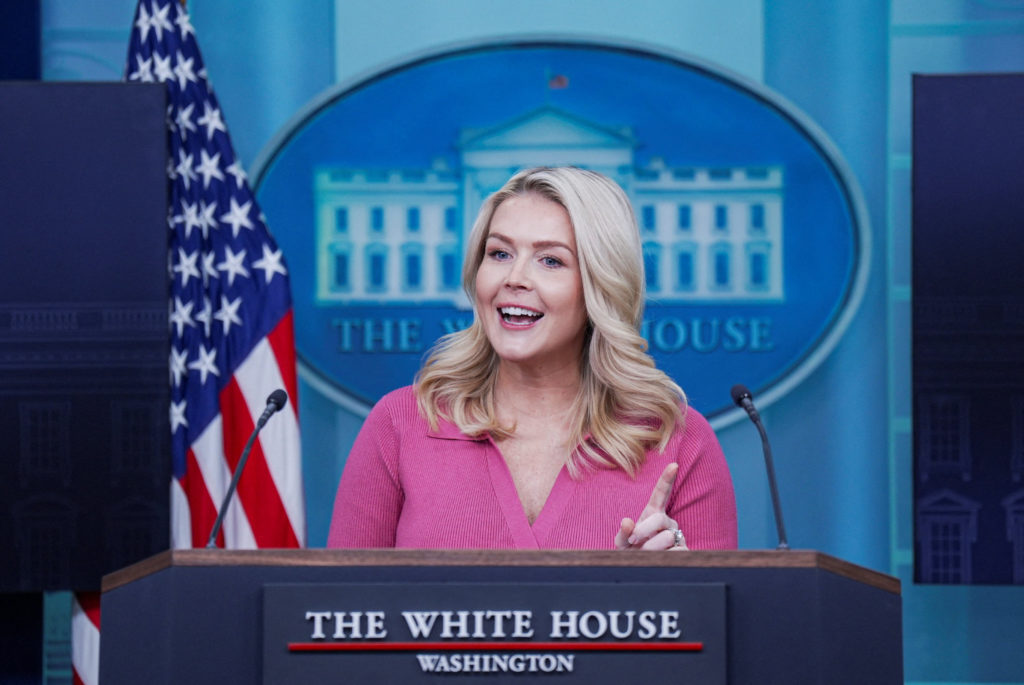
White House press secretary Karoline Leavitt is set to hold a news briefing on Tuesday at 1 p.m. EST as the government faces another funding deadline for the Department of Homeland Security (DHS). This briefing comes at a critical juncture, particularly as congressional hearings begin for key officials involved in President Donald Trump’s aggressive immigration enforcement policies.
At the heart of the discussions will be Todd Lyons, the acting director of Immigration and Customs Enforcement (ICE), Rodney Scott, the head of Customs and Border Protection (CBP), and Joseph Edlow, the director of Citizenship and Immigration Services (USCIS). The House Committee on Homeland Security has summoned these leaders amid declining public support for immigration enforcement measures, which have drawn scrutiny and protest across the nation.
Despite being backed financially by Trump's tax cuts and increased spending, the immigration enforcement agencies are facing a potential government shutdown if a bipartisan agreement on budget limits is not reached by Friday. Democrats are pushing for new restrictions aimed at ensuring that enforcement actions comply with both the law and constitutional protections, particularly in light of recent violence linked to enforcement practices.
Notably, Trump’s immigration agenda has come under renewed fire following the killings of Alex Pretti and Renee Good by Homeland Security officers. Critics argue that the agencies are implementing policies that not only infringe on the rights of immigrants but also those of American citizens protesting against these enforcement actions. This includes a controversial memo signed by Lyons that indicates ICE officers do not require a judge's warrant to forcibly enter a residence to make arrests, a move that has raised concerns regarding Fourth Amendment rights against unreasonable searches.
A recent poll shows that nearly two-thirds of Americans believe ICE has overstepped its boundaries in its crackdown on immigration, reflecting a growing dissatisfaction with current immigration policies. As these agencies face increased pressure both from lawmakers and the public, the implications of this briefing could be significant, shaping the future direction of immigration enforcement in the U.S.
As the briefing unfolds, it will be crucial for the officials to address these pressing concerns, particularly the balance between enforcement and civil rights. The evolving landscape of public opinion may force a reevaluation of tactics and strategies amidst a backdrop of heightened scrutiny.
This story will be updated as more information becomes available.
Trump's Shocking Move: Are You Ready for a 50% Cut in Climate Protections? Find Out Now!
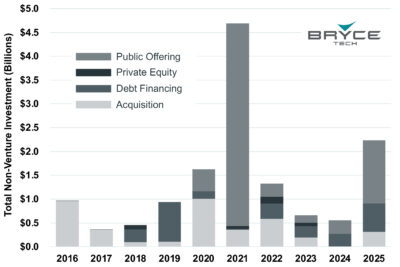
Is This the End for SPACs? Shocking Surge in Non-Venture Space Investments Hits $1 Billion!

Discover the Secret Hofstra Entertainment Hacks: 7 Mind-Blowing Events You Can’t Miss This Fall!

You Won't Believe the THREE Shocking Changes Arsenal Must Make Against Brentford - Is This the End for Mikel Arteta?

Villanova Football Star Charged: Shocking Accusations of Rape—What This Means for His Future!
You Won't Believe What Happens When Access is Denied – Shocking Truths Revealed!
You might also like: