
Shocking Twist: Afghan National's Attack on National Guard Leaves 2 Seriously Wounded—What Happens Next?

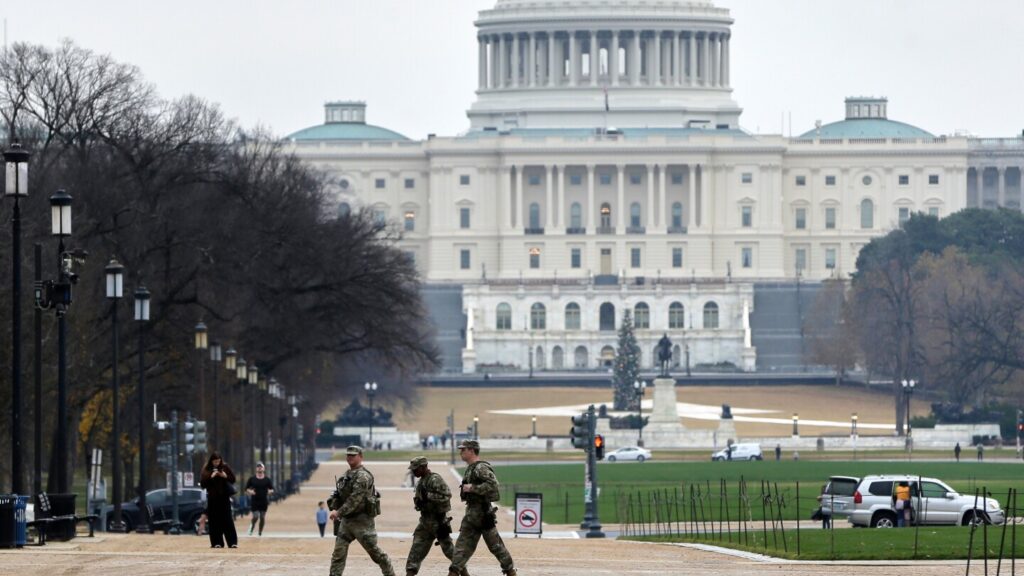
On the eve of Thanksgiving, Washington, D.C. witnessed a shocking attack as an Afghan national allegedly ambushed two members of the West Virginia National Guard just blocks from the White House. Specialist Sarah Beckstrom, 20, and Staff Sgt. Andrew Wolfe, 24, were hospitalized in critical condition after the shooting, which occurred Wednesday afternoon.
U.S. Attorney for the District of Columbia, Jeanine Pirro, provided updates during a Thursday news briefing, stating that the assailant, Rahmanullah Lakanwal, drove across the country to execute the attack with a .357 Smith & Wesson revolver. Lakanwal faces charges of assault with intent to kill while armed and possession of a firearm during a crime of violence. Pirro noted that the investigation is ongoing and that the motives behind the attack remain unclear. She expressed hopes that the injured guard members would survive, indicating that if they do not, murder charges would likely be filed against Lakanwal.
This incident is particularly concerning as it marks a rare shooting of National Guard members on American soil. The urgency surrounding military presence in the capital has been heightened due to ongoing political debates regarding the Trump administration's use of troops to combat rising crime rates. In response to the shooting, the Trump administration swiftly ordered an additional 500 National Guard members to Washington.
According to a law enforcement official, Lakanwal also suffered wounds in the incident, but they are not believed to be life-threatening. The FBI has classified the shooting as an act of terrorism and has initiated a “coast-to-coast investigation,” executing a series of search warrants in relation to the case. The two guard members had been sworn in just a day prior to the attack, and officials have been in constant contact with their families to provide support during this distressing time.
Background of the Suspect
Rahmanullah Lakanwal, 29, entered the U.S. in 2021 as part of Operation Allies Welcome, a program initiated by the Biden administration aimed at resettling Afghan nationals who assisted U.S. forces during the two-decade conflict. Approximately 76,000 Afghans were brought to the U.S. under this initiative, many of whom worked alongside American troops and diplomats as interpreters. While advocates argue that this program provided essential refuge for those at risk from Taliban retribution, it has come under scrutiny from Trump and his allies, as well as congressional Republicans, regarding vetting processes.
Prior to his resettlement, Lakanwal reportedly worked with the CIA in Afghanistan, specifically in Kandahar, a region known for its fierce conflict between Taliban forces and NATO troops since the U.S.-led invasion in 2001. John Ratcliffe, former director of the CIA, confirmed that Lakanwal had a working relationship with the agency, which ended shortly after the chaotic evacuation of U.S. servicemen from Afghanistan.
In the aftermath of the shooting, former President Donald Trump called for a re-evaluation of Afghan refugees who entered the country under the Biden administration, stating, “If they can’t love our country, we don’t want them.” He emphasized that the shooting represents “a crime against our entire nation.” Meanwhile, D.C. police have confirmed that Lakanwal acted alone in the ambush, and video evidence indicates he approached the troops before opening fire. Other service members in the vicinity responded quickly, subduing the assailant after he was shot.
The incident raises serious questions about security and the implications of military presence in urban areas. As investigations continue, the families of the injured troops are being supported by local officials, who are treating this attack as both an assault on law enforcement and a broader attack on American security and stability.
As the nation grapples with the implications of this shooting, it underscores the urgent need for effective policies regarding the resettlement of Afghan allies and the safeguarding of American troops and citizens. The outcome of this case may have lasting effects on public sentiment regarding national security and the government's handling of military and refugee policies.
Is Your Teen's Social Media Use Harming Their Mental Health? Shocking Stats Reveal the Truth!

You Won't Believe What This Robotics Startup Just Unleashed for FREE – Find Out How They Raised £2M!

Apple's Secret Weapon: How They’re About to Crush Samsung with THIS Shocking New Strategy!

You Won't Believe What Happened at the Legends Classic: 5 Shocking Moments That Changed Everything!
Chris Packham’s Bold Warning to MPs: Ignoring Climate Science Could Cost Us Everything!

You Won’t Believe What Happens to Your Body After Just ONE Day of Indulgence! Shocking Secrets Revealed!
You might also like: