
Shocking Study Reveals Shingles Vaccine Could Add Years to Your Life – Find Out How!

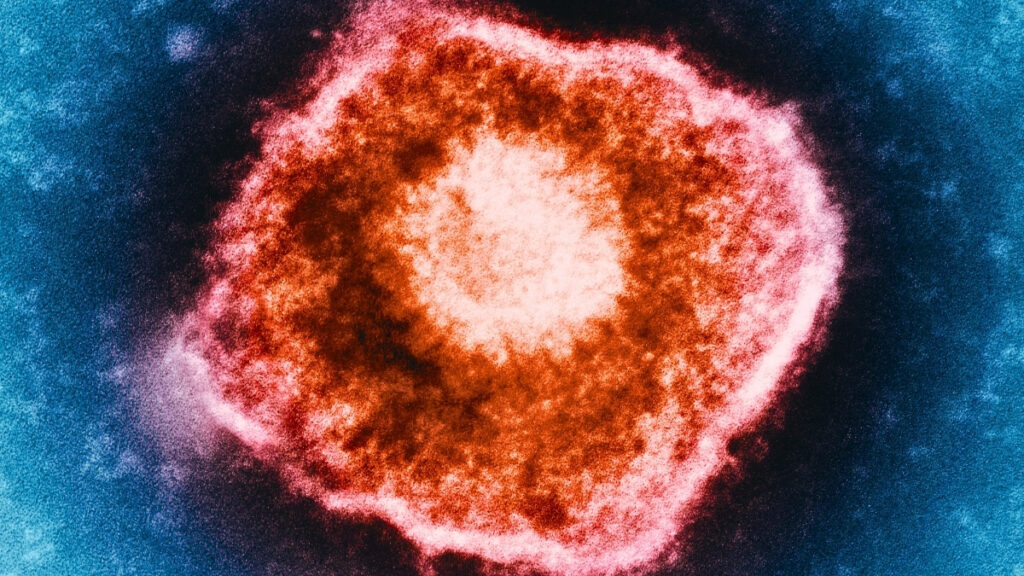
Vaccines have long been celebrated for their ability to prevent infections, but recent findings suggest they may also play a crucial role in reducing the risk of serious health issues such as cancer, stroke, heart attacks, and even dementia. In particular, new research indicates that the shingles vaccine could promote slower aging, offering benefits that persist for several years after administration.
A study conducted by gerontologists Jung Ki Kim and Eileen Crimmins from the University of Southern California found that among over 3,800 participants aged 70 or older in the U.S., those who received the shingles vaccine after the age of 60 demonstrated more favorable outcomes in biological aging assessments compared to their unvaccinated counterparts. This suggests that the vaccine could have broad and lasting effects on aging-related processes.
The researchers observed that vaccinated individuals exhibited biological markers associated with lower inflammation and diminished rates of "molecular and overall biological aging." Notably, these associations held true even when accounting for various demographic and health differences between the two groups. While the study does not conclusively prove that the shingles vaccine leads to healthier aging outcomes, it aligns with several observational studies that link the vaccine to extensive health benefits in later life, particularly concerning heart and brain health.
“By helping to reduce this background inflammation—possibly by preventing reactivation of the virus that causes shingles—the vaccine may play a role in supporting healthier aging,” explains Kim.
Shingles, or herpes zoster, results from the reactivation of the varicella zoster virus, which most people are exposed to during childhood. After the initial chickenpox infection, the virus lies dormant in the nervous system and can reactivate later in life, with about 30% of unvaccinated individuals likely to develop shingles at some point.
The current two-dose shingles vaccine is typically recommended for adults over 60 as a precaution against this painful condition. The first version of the vaccine received U.S. licensing in 2006, and a newer formulation may offer even greater health benefits. However, long-term studies are needed to fully understand the extent of these advantages.
The implications of this research are significant, particularly as America’s population ages. As people live longer, the quest for healthier aging becomes increasingly vital. The potential of vaccines to reduce inflammation and support overall health could shift how we think about vaccination not just as a means of preventing disease, but as a vital tool for promoting longevity and enhancing quality of life in older adults.
This study was published in the Journals of Gerontology, further emphasizing the need for ongoing research into the comprehensive benefits of vaccines beyond their traditional applications.
Why Goodwill Entertainment's Shocking $50M Gamble Could Change Everything—Are You Missing Out?

Mark Zuckerberg’s $2 Billion Gamble Backfires: Customers of This Chinese Company Are Furious—Find Out Why!

16 AI Startups Just Shocked the Bay Area—You Won't Believe What They Unveiled at Demo Day!
8 Classic Songs Boomers Can’t Resist – Find Out What They Reveal About Regret and Nostalgia!

Texas Woman Hurls 25-Pound Weight at Love Rival—You Won't Believe What Happened Next!

Coinbase's Brian Armstrong Clashes with France’s Central Bank Chief—You Won't Believe What Happened Next!
You might also like: