
Shocking Study Reveals: Could a Simple Shingles Vaccine Cut Alzheimer’s Risk by 50%? Find Out Now!

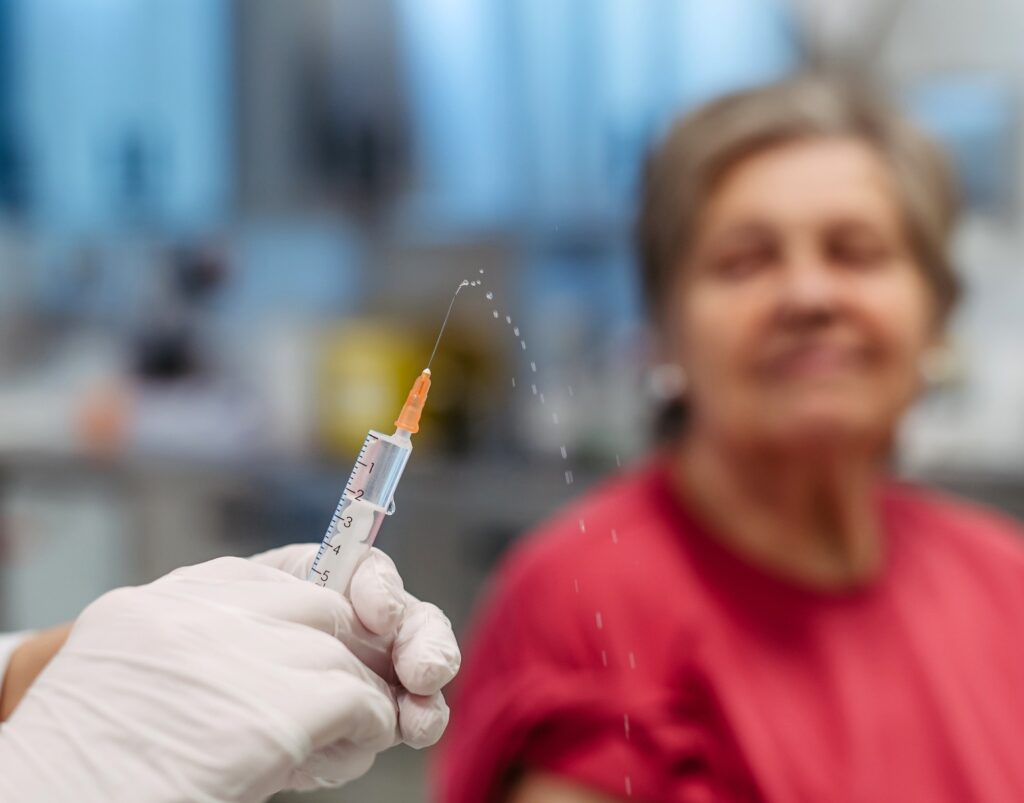
New research reveals a significant link between shingles vaccination and reduced dementia risk, prompting important discussions about the role of viral infections in cognitive decline and potential public health strategies.
Image Credit: Halfpoint / Shutterstock
A recent study published in the journal Nature Communications reveals an intriguing link between the recombinant zoster vaccine (RZV), commonly known as “Shingrix,” and a decreased risk of dementia in adults aged 65 and older. Analyzing data from over 300,000 individuals, researchers found that those who received the vaccine had a remarkable 51 percent lower risk of developing dementia compared to their unvaccinated peers.
The study found that receiving two doses of the Shingrix vaccine was associated with significantly lower hazards of both Alzheimer’s disease and vascular dementia. These results remained consistent even after accounting for various factors that could influence health outcomes, indicating that the observed reduction in dementia risk warrants further investigation.
The Growing Dementia Crisis
Dementia, a term encompassing a range of progressive neurological disorders, is increasingly recognized as a global health crisis, currently affecting approximately 57.4 million people worldwide, a figure projected to triple by 2050. Despite considerable research efforts, the causes of dementia are complex and multifaceted. Established risk factors include age, genetics, lifestyle choices, and environmental influences. However, emerging evidence suggests that the varicella-zoster virus (VZV)—the virus responsible for chickenpox and shingles—may also contribute to cognitive decline.
When VZV reactivates, it can lead to shingles, a painful condition linked to neuroinflammation and potential brain damage. Earlier studies involving the live-attenuated zoster vaccine indicated a possible benefit in reducing dementia risk, but similar evidence for the more effective recombinant zoster vaccine had been mostly absent until now.
To better understand the relationship between shingles vaccination and dementia, this recent study utilized a retrospective cohort analysis of electronic health records from Kaiser Permanente Southern California. The analysis focused on dementia risk reduction rather than prevention, aligning with the observational nature of the data.
The study included 65,800 individuals aged 65 and older who received two doses of RZV between April 2018 and December 2020, with an average follow-up period of approximately 3.4 years. These individuals were matched at a 1:4 ratio with 263,200 unvaccinated counterparts based on several demographic and health factors. Notably, researchers began tracking outcomes six months post-vaccination to minimize misclassification associated with pre-existing dementia.
The primary endpoint examined was all-cause dementia, defined using International Classification of Diseases, Tenth Revision (ICD-10) codes. Secondary endpoints included specific types of dementia, such as Alzheimer’s disease and mild cognitive impairment (MCI). The validity of these diagnoses was reinforced by targeted reviews of medical records.
To mitigate potential biases, the researchers also compared outcomes for RZV recipients with a control group of 65,800 individuals who received the tetanus, diphtheria, and acellular pertussis (Tdap) vaccine. This comparison ensured that both groups were similarly health-seeking, although some residual confounding could not be entirely ruled out.
Results indicated that those who received two doses of RZV had an adjusted hazard ratio of 0.49 for dementia, translating to an incidence rate of 10.74 cases per 1,000 person-years in the vaccinated group compared to 23.04 in the unvaccinated group. The study also highlighted a more pronounced effect among females, with an adjusted hazard ratio of 0.45, compared to 0.55 for males.
In addition to reducing overall dementia risk, RZV administration was linked to a 16 percent reduction in the incidence of MCI, particularly among individuals followed for less than 3.5 years. Vaccinated individuals who progressed to MCI experienced a delay of about 68 days before developing dementia compared to their unvaccinated counterparts.
Even when compared to the Tdap cohort, RZV recipients exhibited a 27 percent lower risk of dementia, further supporting the association beyond healthy vaccinee effects.
This substantial observational study provides compelling evidence that the recombinant zoster vaccine may be associated with a significant reduction in dementia risk. However, it is essential to note that causality cannot be firmly established at this stage, as dementia often develops slowly over time.
While the biological mechanisms underlying this association remain unclear, researchers speculate that the vaccine may help prevent viral reactivation, which could trigger neuroinflammation or damage to cerebral blood vessels—both of which could contribute to cognitive decline.
Looking ahead, further research is necessary to determine whether these cognitive benefits are unique to the RZV, the ideal timing for vaccination, and how shingles vaccination can be integrated into broader strategies for reducing dementia risk. Continued longitudinal studies will be essential to clarify the sustainability and clinical significance of these findings.
AI Giant Nebius Just Made a Shocking $200M Move—What This Means for Your Future!
Unbelievable South Florida Real Estate Deals You Won't Believe – Act Fast Before They're Gone!
You Won't Believe What Happens to Your Gut After the Big Game—7 Shocking Remedies to Heal Fast!

You Won't Believe These 8 Everyday Items Are Secretly Turning You Into a Hoarder!

DOJ's Shocking Georgia Raid: What They Found in 2020 Ballots Will Leave You Speechless!
You Won't Believe What Happened When This Request Was Denied—The Aftermath Will Shock You!
You might also like: