Shocking Revelations: Outdoor Guides Uncover Climate Secrets That Could Change Everything!

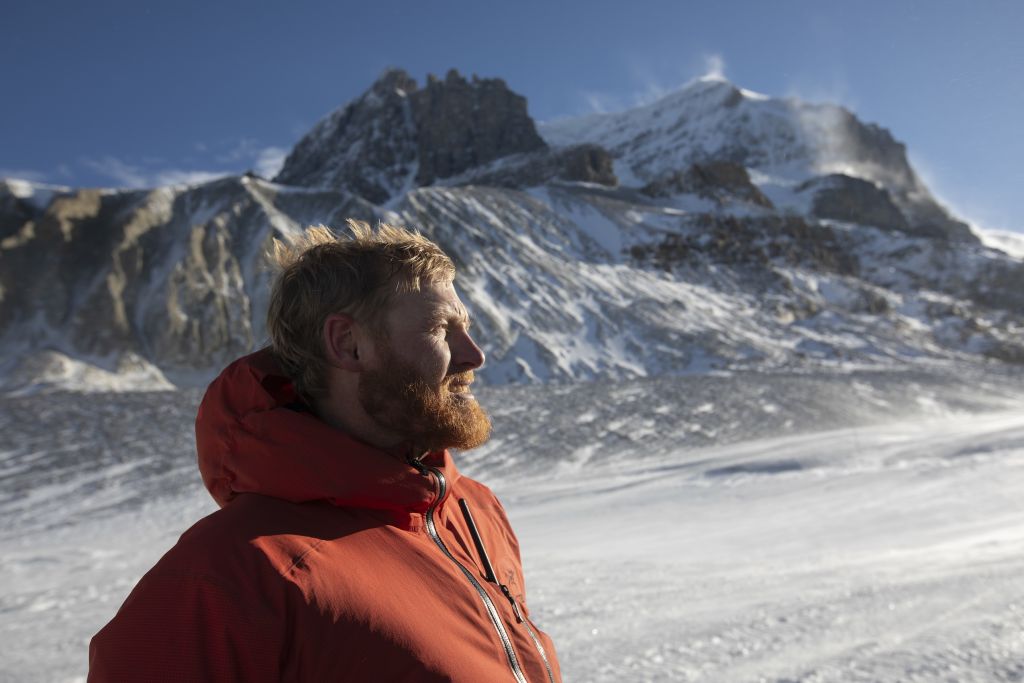
In the breathtaking landscapes of Canada, outdoor guides are facing a grim reality: climate change is dramatically reshaping the terrain they love and the livelihoods they depend on. Canada is warming at twice the global average, with the northern regions experiencing a temperature rise three times that rate. For guides dedicated to helping people experience the beauty of nature, this warming presents new challenges and emotional struggles.
From melting ice to unpredictable weather and increasing wildfires, the consequences of climate change are immediate and perilous. Dylan Cunningham, a mountain guide based in Golden, B.C., articulated the tension many in this profession feel: “As guides, it’s an interesting position. We experience the full spectrum of [climate change], from the consequences to the cause, in a really intense way.” He acknowledged the peril he has faced due to these changes, stating, “I have almost died from hazards that are largely because of how climate change has affected the mountains.” Yet, he also finds himself grappling with the contradictions inherent in his profession, noting, “Some heli-ski guides are getting to the point where they’re going, ‘This feels hard to justify.’”
Veteran guide Mike Adolph, who has been navigating the Canadian Rockies since 1995, highlighted the awareness that many guides now share. “It’s one of those things where it seems to be kind of slapping us in the face. And we adapt, and we’re changing, but what action are we taking?” Adolph is one of many who feel an urgent need to reduce their ecological footprint, though he admits the path forward can feel overwhelming: “We might not be able to change the course where things are going, but we can slow it down.”
Emotional Turmoil and Hope
Ian Welsted, another alpine guide, shares a background that shaped his passion for climbing. “Climbing had a big impact on my life. I grew up in a conservative farming town in Manitoba and wasn’t happy there. [When] I discovered climbing, it made me come out of my shell.” He emphasizes the importance of reconnecting city dwellers with the natural world, suggesting that the lack of exposure can cloud perceptions of climate change's realities. “If people live in the city and have no tie to the natural world... they probably don’t have any basis to make any kind of value judgment.”
For guides like Jordy Shepherd, who has over 25 years of experience, the stakes feel higher than ever. He worries about the future for new generations of guides, saying, “With the way things are changing, it’s hard to predict how that is going to go for them when trade routes [commonly guided trips] are not accessible.” He expresses concern over the unstable conditions created by melting glaciers. “As ice recedes, there are all these unstable boulder fields — dirt and sand that haven’t seen the light of day in 10,000 years. Support is being taken away.”
Christian Schlumpf, who began guiding in 2016, reflects on a changing industry. “For someone who’s a bit younger, like myself, [climate change] has always been a thing... It’s just something to manage.” He believes that guiding has evolved to a point where prioritizing safety and making flexible decisions, like turning back when conditions are not favorable, is now standard practice.
Dylan Cunningham, who also supports the Guardians of the Ice, emphasizes the emotional weight of witnessing the mountains change. “That cost is going to be disproportionately borne by people who are vulnerable, not by affluent people [with] social and geographic mobility.” He urges his peers to think about future generations and the impact of their work in the context of a rapidly changing environment.
Kevin Hjertaas, a ski guide based in Banff, shares a firsthand account of how quickly conditions can deteriorate. “It’s hard not to get depressed. You’re walking for hours up this glacier with your thoughts... you get there and realize that was only two years ago, but now the glacier is a full 60 meters back.” For Hjertaas, the challenge lies in balancing the awe his guests feel with the stark realities of climate change. “I try to bite my tongue [when] I want to say, ‘It used to be like this,’ but it happens.”
Amidst these challenges, many guides are finding ways to adapt and create a positive impact. Jasmin Caton, who owns Valhalla Mountain Touring, has actively sought to minimize her ecological footprint by utilizing snowcats instead of helicopters for transport. “I think it’s just good to be able to say it, and also to find joy in life. Because otherwise, what’s the point?” she remarked, illustrating the balance many are trying to strike between their love for the outdoors and the realities of climate change.
As these guides navigate the complexities of their profession, they embody a unique resilience. With each challenge posed by climate change, they also find renewed purpose in sharing the wonders of nature with others. Their experiences not only reflect the immediate impacts of a warming planet but also serve as a call to action for broader societal change. Through their voices, they remind us that our relationship with nature is not only a matter of adventure but also one of responsibility for generations to come.
US Sees Shocking 3-Year Spike in Greenhouse Gases: Is Crypto Mining the Hidden Villain?

One Shot, Double Protection? Discover the Shocking Truth About the HPV Vaccine NOW!

You Won’t Believe What Judge Just Did to Trump’s Bid Against Whistleblower Lawyer!

You Won’t Believe Which 5 College Football Stars Played for Two Teams in the National Championship!

Pediatricians vs. RFK Jr.: Why This Vaccine Battle Could Change Your Child's Future Forever!

Pemberton and Advisory Realty’s Shocking Merger: What This Means for Minnesota’s Real Estate Market!
You might also like: