Shocking Revelation: Zohran Mamdani Calls Trump a 'Fascist' After White House Meeting—What He Discovered Will Leave You Speechless!

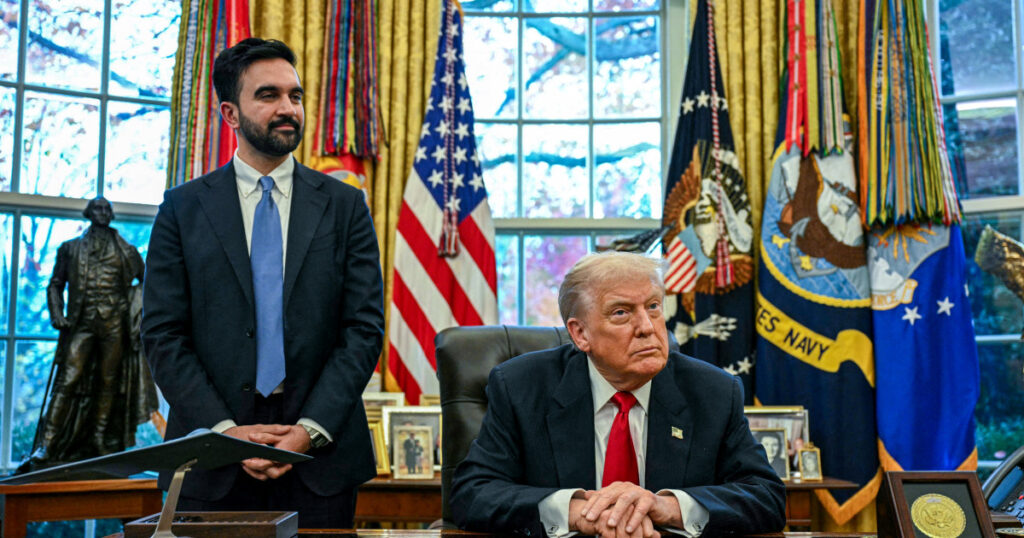
In a significant political moment, New York Mayor-elect Zohran Mamdani met with President Donald Trump at the White House on Friday, marking a stark contrast to their previously contentious relationship. Despite having labeled Trump a “fascist” and “despot” during his campaign, Mamdani characterized their meeting as an “opportunity” to collaborate on pressing issues, particularly the soaring cost of living in New York City.
During the meeting, both leaders maintained a surprisingly cordial demeanor, with Trump expressing his support for Mamdani, stating he would be “cheering” for him. This friendly atmosphere stood in stark contrast to the months of hostile exchanges that had characterized their interactions leading up to the election. After the meeting, Mamdani reaffirmed his critical stance on Trump, stating in an interview with Kristen Welker on Meet the Press, “Yes, I still believe he is a fascist.”
Mamdani argued that the purpose of their meeting was not to score political points but rather to address the affordability crisis plaguing New Yorkers. “I’m not coming into the Oval Office to make a point or make a stand. I’m coming in there to deliver for New Yorkers,” he emphasized. The mayor-elect's focus on the needs of everyday citizens reflects a broader concern about living costs, which has emerged as a defining issue in both local and national politics.
He elaborated on the importance of establishing a productive relationship with Trump, noting, “What it would mean for New Yorkers if we could establish a productive relationship that would focus on the issues that those New Yorkers stay up late at night thinking about.” The discussion delved into the shared commitment of both leaders to tackle affordability, which Mamdani noted has been a recurring concern among constituents he spoke with, including Trump supporters from the Bronx and Queens. “When I asked those New Yorkers why did they vote for the president, they told me again and again, it was cost of living, cost of living, cost of living,” Mamdani recounted.
Despite the friendly tone, the meeting did not shy away from past conflicts. When asked about Mamdani's previous comments labeling Trump a “despot,” the president quipped, “I’ve been called much worse than a despot.” However, he also expressed optimism for future collaboration, suggesting that Mamdani might “change his mind after we get to working together.”
In a broader context, Mamdani's election reflects shifting political tides in New York City, where he campaigned as a self-described democratic socialist. His progressive agenda includes raising taxes on the city's highest earners to fund key policy objectives aimed at improving affordability. However, to achieve these goals, he will need the support of Governor Kathy Hochul and state legislators in Albany. When asked about this collaboration, he expressed confidence that Hochul would be willing to work together to enhance affordability in New York City.
Furthermore, Mamdani touched on Trump’s prior threats to send National Guard troops into New York City, a tactic used in other Democratic-led cities. “I trust the NYPD to deliver public safety,” he asserted, emphasizing a need for local solutions rather than federal interventions. Trump’s response to potential troop deployment was non-committal, indicating that while he believes other cities might need it more at the moment, he remains open to sending support if necessary.
The political landscape remains complex, with past animosities lingering as Mamdani moves into his new role. National Economic Council Director Kevin Hassett remarked on the potential for cooperation, albeit with skepticism about the strength of ideas that would emerge from their discussions. “If Mamdani cares as much as he appears to for the people of New York, and President Trump obviously does, I think that there’s a lot of positive work that can be done together,” Hassett stated.
As the political environment continues to evolve, the dialogue between Mamdani and Trump will be closely watched. Their willingness to engage in meaningful conversations about urgent issues like cost of living may set a precedent for how political leaders can navigate differences to address the needs of their constituents effectively. The challenges ahead are substantial, but Mamdani’s approach reflects a pragmatic willingness to prioritize New Yorkers’ needs over political rivalries.
Is Your Vote Safe? Shocking New Evidence of 2020 Election Fraud Will Leave You Speechless!

Zhejiang Leapmotor Hits the Big Time: Why You NEED to Know About This Shocking Stock Move NOW!

The AI Illusion: 5 Mind-Blowing Ways Fakes are Ruining Reality—Are You Being Fooled?

Top Polish Analyst Admits 'I Failed' – What This Shocking Bitcoin Collapse Means for Your Wallet!

Parents, You Won’t Believe These 5 Snack Hacks That Could Save You $100 a Month!

5 Shocking Reasons the UN Climate Summit Left Millions Disappointed—You Won't Believe the Last One!
You might also like: