
Shocking Replica of Controversial Baltimore Statue Appears Near White House—What Happens Next?

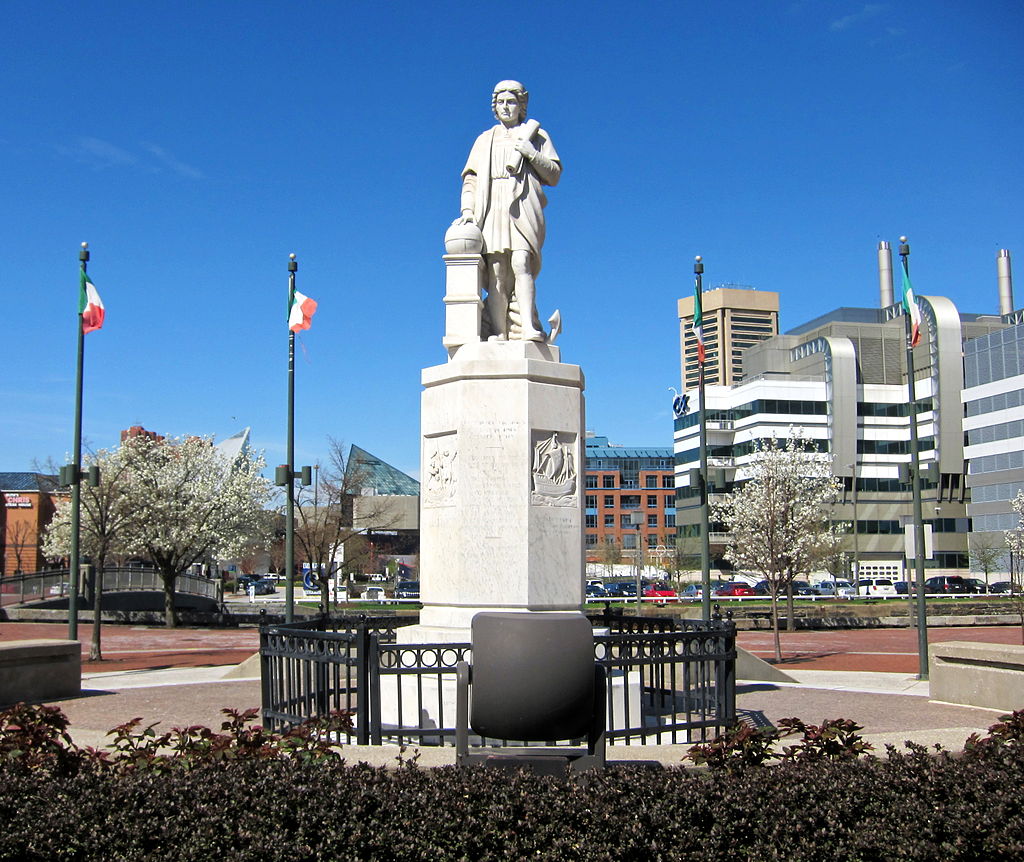
Washington, D.C. has recently welcomed a familiar figure to its outdoor art scene. A replica of the controversial statue of Christopher Columbus, which once graced Baltimore's Inner Harbor, has found a new home at the Eisenhower Executive Office Building, adjacent to the White House. This statue, which was dedicated on October 8, 1984, was commissioned by the Italian American Organizations United Inc. and sculpted from Italian Carrara marble by Mauro Bigarani. It stood as a symbol of Italian American heritage until it was unceremoniously removed by protestors on July 4, 2020, during the heightened tensions of the Black Lives Matter movement following the death of George Floyd in Minneapolis.
In a dramatic turn of events, the statue was yanked from its pedestal in Little Italy and thrown into the Lower Jones Falls. This act was emblematic of a broader national trend, as statues and monuments honoring figures viewed as controversial faced vandalism and removal in cities across the country. The protestors' actions reflected a growing scrutiny of historical figures linked to colonialism and systemic racism. In total, over 30 statues were defaced or destroyed that summer.
Despite the statue's fall from grace, efforts to resurrect its legacy have been ongoing. After the original statue was fished out of the water by John Pica, a Maryland lobbyist and former state senator, his group commissioned local sculptor Will Hemsley to create a replica. The search for a suitable display location proved challenging; many potential sites were rejected due to fears of renewed controversy. Pica’s group even approached Father Bernard Carman at St. Leo the Great Roman Catholic Church but faced concerns about the backlash it might incite.
In 2024, Pica expressed the urgency of finding a new home for the statue during a meeting of the Little Italy Neighborhood Association (LINA), stating, “We have to find a place to put that statue.” Eventually, interest from the Trump administration to display the replica in Washington led to its donation to the White House, a move that Pica celebrated, saying, “We’re delighted the statue has found a place where it can peacefully shine and be protected.”
This repurposed statue joins others recently installed around the White House, including likenesses of Founding Fathers like Alexander Hamilton and Benjamin Franklin, figures that align with President Donald Trump's vision of American history. The White House has publicly declared Columbus a hero, reinforcing the administration's commitment to honoring traditional narratives.
Meanwhile, the original pedestal in Baltimore remains empty as discussions continue about its future. Pica’s group has begun collaborating with local artists, including Baltimore-based sculptor Sebastian Martorana, to explore new commemorative possibilities that reflect a broader consensus within the community.
As America grapples with its complex history, the saga of Columbus's statue in both Baltimore and Washington serves as a microcosm of a larger debate. The placement of such monuments raises essential questions about legacy, identity, and the narratives we choose to honor. While the replica in Washington signifies a recognition of tradition, it also emphasizes the divides in contemporary discussions about race, history, and representation in public spaces.
In the wake of ongoing dialogues about historical figures and their representations, the journey of this Columbus statue underscores the deep-seated complexities of American history. As communities nationwide continue to reflect on their past, the decisions made about such monuments will likely shape the cultural landscape for generations to come.
Sina Ruppenthal's Shocking Guinness Record: How She Defied All Odds by Throwing 10 Men!
Access Denied: The Shocking Truth About What Happened to 1,000 Users Last Night!

You Won't Believe What Matt Eley Revealed About Language and Memory – A Shocking Truth Awaits!
The Shocking Truth: How the Human Rights Council Could Save Our Planet—Or Destroy It!

Why Dr. William Stevenson’s Shocking Exit from the Board of Health Changes Everything – You Won’t Believe the Consequences!

Is Antithesis's Risky Software Strategy a Game-Changer or a Total Disaster? You Won't Believe the Consequences!
You might also like: