
Shocking Measles Symptoms You Never Knew Existed: Is Your Vaccine Failing After Just 5 Years?

As concerns about measles outbreaks escalate, particularly following recent warnings from the World Health Organization (WHO), it is essential to understand the facts surrounding this highly contagious disease. With Australia's figures showing a notable uptick in cases, the public's attention is increasingly drawn to the importance of vaccination and awareness of the disease itself.
In 2025, Australia reported 70 measles cases by May 1, surpassing the total recorded for both 2023 (26 cases) and 2024 (57 cases). Every state and territory in Australia, except Tasmania and the Australian Capital Territory, has documented at least one case, with the highest incidence reported in New South Wales, Victoria, and Western Australia. Notably, the increase in cases has been linked primarily to travelers returning from overseas regions, particularly popular vacation spots in Southeast Asia. However, a worrying trend has emerged: local transmission of the virus has been confirmed, indicating that the disease is circulating in the community.
Measles is one of the most contagious diseases known to affect humans, capable of infecting 12 to 18 individuals from just one infected person. The virus can remain airborne for up to two hours, posing a significant risk to anyone who enters a room where an infected person has been present. It predominantly affects children and those with compromised immune systems, leading to severe complications in approximately 40% of cases. Tragically, there were more than 100,000 measles-related deaths globally in 2023.
The symptoms of measles typically manifest 7 to 14 days following exposure and include a distinct rash, fever, runny nose, cough, and conjunctivitis. The rash usually begins on the face or neck before spreading to other parts of the body. Complications can include ear infections, pneumonia, and encephalitis, the latter being particularly serious and more likely to affect children. Additionally, pregnant women are at increased risk for severe complications, including preterm labor and stillbirth.
It's important to understand how measles differs from other childhood diseases like chickenpox, which is caused by a different virus. While both diseases are highly contagious, the rashes they produce are distinctly different, with chickenpox presenting as separate red bumps that develop into fluid-filled blisters.
Once someone contracts measles, they typically gain lifelong immunity and cannot get the disease again. However, individuals born before 1966—before the introduction of the measles vaccine—are at greater risk, as they likely experienced a natural infection. Those in this age group are now experiencing breakthrough infections, underscoring the importance of vaccination. Adults can receive an additional measles vaccine, which is safe even for those who have been previously vaccinated. However, as the vaccine is a live attenuated vaccine, it is not suitable for pregnant women or individuals with weakened immune systems.
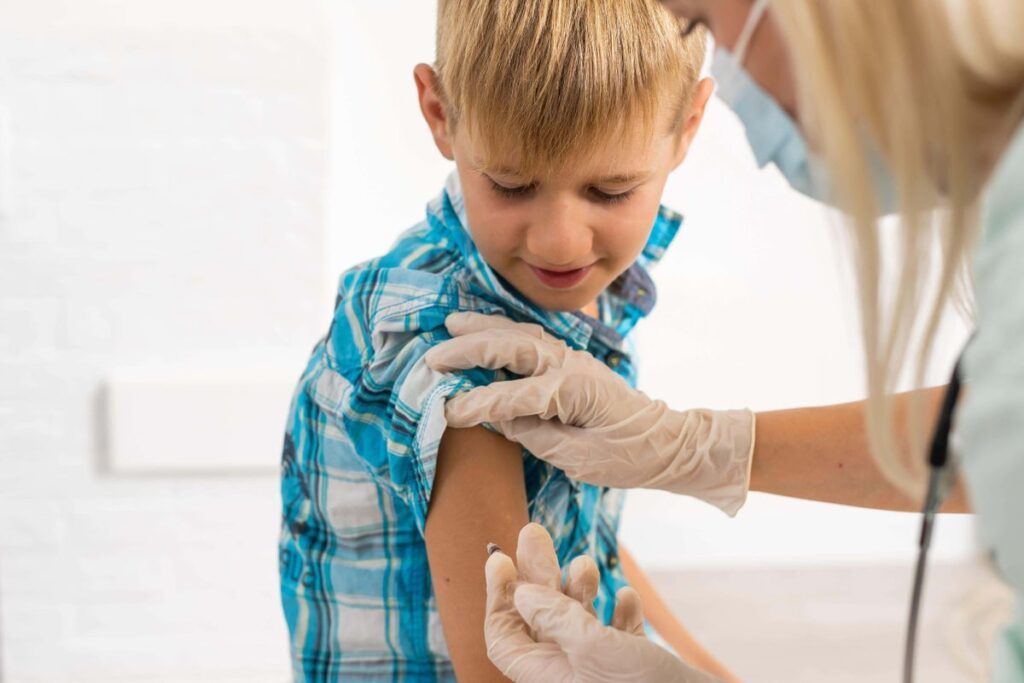
Vaccinations are crucial in controlling measles outbreaks, with most countries recommending the measles vaccine during childhood as part of the MMR (measles, mumps, and rubella) combination vaccine. In Australia, children receive their first dose at 12 months and a second dose at 18 months, though health officials advise that additional doses can be administered if necessary.
Given the effectiveness of the measles vaccine—offering about 99% protection after two doses—it is vital for healthy individuals to get vaccinated. This not only protects them from the disease but also helps curb its spread, thereby safeguarding vulnerable populations within the community.
As we witness the resurgence of measles in various regions, the message is clear: maintaining high vaccination rates is crucial in preventing outbreaks. Public health campaigns and awareness about the disease are essential in ensuring that the population understands both the risks of measles and the importance of vaccination. By prioritizing vaccination, we can protect ourselves and our communities from this preventable disease.
Meta’s Shocking New Plan: Pay for Social Media Perks? Here’s What You MUST Know NOW!

American Bitcoin Just Shocked Investors: 5,900 BTC and a Game-Changing Secret They Won't Reveal!

You Won’t Believe How AI Will Change Your Next Hotel Stay—Red Roof’s Shocking New Feature!

You Won't Believe What Happens in Duluth Playhouse's 'Dial M for Murder' – One Shocking Twist Will Leave You Breathless!

You Won’t Believe This Dietitian-Approved Snack That Melts Belly Fat Fast—Find Out What It Is!

Bears CB Nahshon Wright's Shocking Free Agency Twist: What Could This Mean for His Career?
You might also like: