
Shocking Heat Wave Forces Western U.S. to Enact Water Restrictions—Will Your Home Be Next?

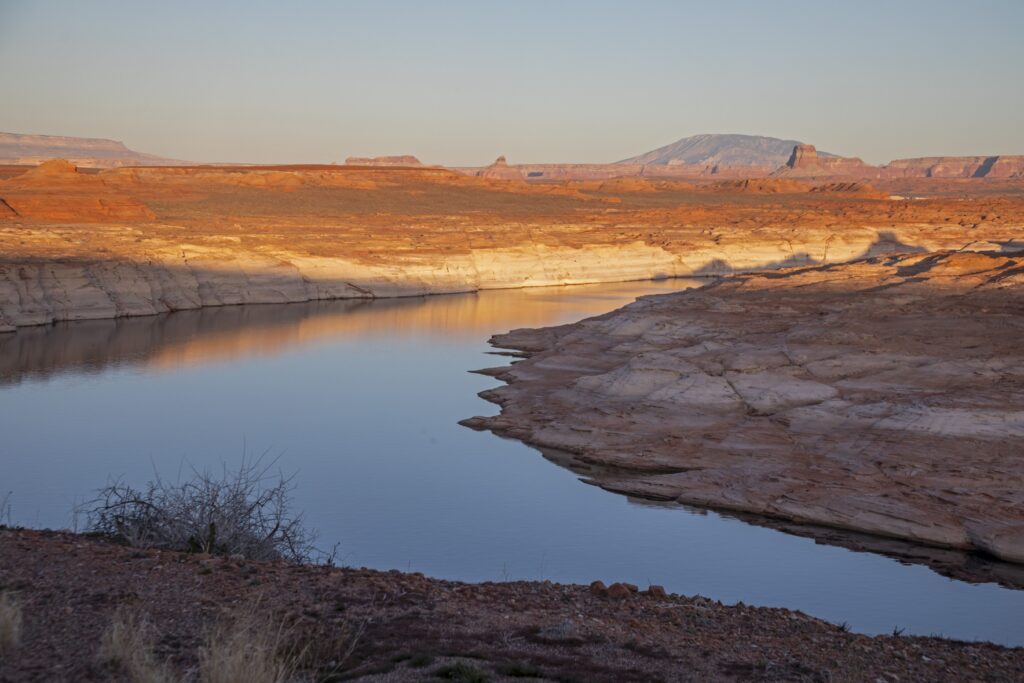
In early March, alarm bells were ringing across the Western United States, signaling a potential water crisis as the region grappled with historically low snowpacks. This critical source of water, which typically replenishes communities as it gradually melts during spring and summer, has become increasingly unreliable. Experts are raising concerns as a recent heat wave has exacerbated the situation, pushing temperatures to record highs and hastening the snowmelt. Climate change is playing a significant role in these early-season heat events, prompting worries that the remaining snow will either evaporate or runoff too early in the season.
Compounding the problem, over half of the Western U.S. is currently experiencing drought conditions, according to the federal drought monitoring system. As water shortages loom, municipalities are forced to take drastic measures to curtail water usage. This includes earlier-than-usual restrictions that disrupt daily life in ways many residents have never encountered before, affecting everything from gardening to dining out.
The Denver Board of Water Commissioners recently announced stringent water limits, aiming to cut water usage by 20 percent in the city. Restaurant owners are now asked to only serve water upon request, while residential customers must limit lawn watering to just two days a week. Todd Hartman, a spokesperson for Denver Water, stated, “The situation is quite serious,” adding that although reservoirs are currently about 80 percent full, there is no reliable snowpack to replenish them as it typically would. “We’re in such a dire situation that we could be coming back to the public in two or three months and saying you’re limited to one day a week.”
In northern Colorado, the city of Erie has gone a step further by mandating a halt on all irrigation until early April, targeting a reduction of more than 45 percent in water usage. Officials warned violators might face shutoff. The recreational impacts are equally severe; more than half of the 120 ski resorts in the U.S. West either closed early or never opened this winter. In Wyoming, one resort experienced unexpected slush as the snow melted rapidly, as reported by Dalan Adams, general manager of White Pine ski resort, who commented, “It was a swimming pool. We should have been checking for floaties and not lift passes.”
Additionally, the risk of wildfires is on the rise due to the hot, dry conditions. While spring rains could help, climatologist John Abatzoglou warns that the conditions are aligning for a potentially dangerous fire season across the West. With grasses drying out earlier in the season, as they are typically covered in snow, the risk of ignition is heightened. Fire behavior analysts note that grasses, referred to as “one-hour fuels,” can become flammable within just an hour of drying. Furthermore, invasive species like cheatgrass are making wildfire threats even more volatile.
Despite early winter storms maintaining average precipitation levels across many areas, rain does not offer the same long-term water security as snow. Casey Olson, a climate scientist at the Utah Climate Center, explains, “A gallon of winter rain that immediately runs off downstream is not nearly as helpful come July as a gallon of snowpack that melts in April or May.” In fact, some states rely on melting snow for as much as 75 percent of their water supply during certain years. With climate change precipitating more frequent snow droughts, the situation is dire.
The crisis extends to the Colorado River, a vital resource for around 40 million people. Representatives from the seven Western states that rely on this river have engaged in intense negotiations over dwindling water resources, but progress has been stymied amid fierce debates regarding allocations. In January, the U.S. Bureau of Reclamation released a draft environmental impact statement proposing cuts to Colorado River water usage starting in 2027, giving states until October to address these reductions. The outcome could significantly impact agriculture and energy industries, both heavily dependent on these resources. Farmers in Yuma, Arizona, who supply a considerable portion of the country’s winter vegetables, are particularly anxious about potential water shortages.
As the Western U.S. faces increasingly parched conditions, experts emphasize the urgent need for adaptation. Alejandro N. Flores, a geoscientist at Boise State University, reflects, “The record-low snowpack may be a harbinger of what a warmer future will look like in the region.” This year's snow drought represents a critical stress test for the West, with all eyes on how states will adapt and manage their increasingly strained water resources.
Kevin Durant's 27 Points Steal the Show: Did the Knicks Just Suffer a Major Blow?

Gmail Users in America: After 22 Years, This SHOCKING Change Will Transform Your Inbox Forever!

You Won't Believe These 9 Heart-Healthy Valentine’s Day Snacks That Could Save Your Love Life!

You Won't Believe Which 3-Win College Football Team ESPN Claims Will Shock Everyone in 2026!
Australia's Fairy Wren Faces IMMINENT EXTINCTION! Are We Losing This Stunning Bird Forever?

Is Bitcoin's $1 Trillion Market at Risk? Whales Battle Weak Spots – Don’t Miss This Shocking Update!
You might also like: