
Shocking Discovery: How One Medical Student Uncovered Hidden Genetic Risks of Chemo That Could Change Lives!

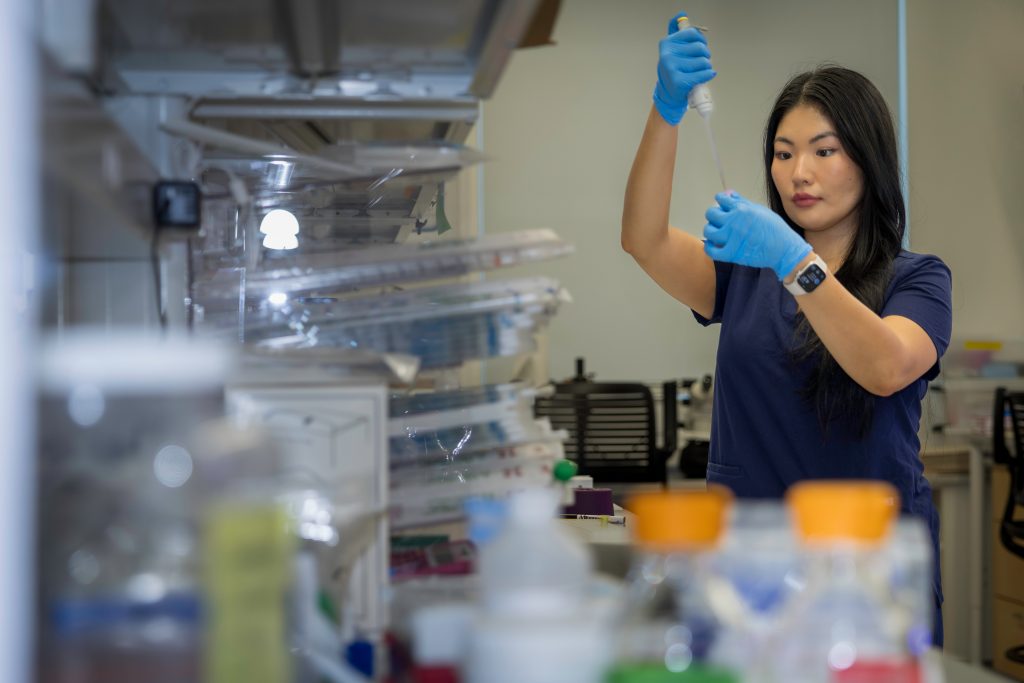
A third-year student at the Virginia Tech Carilion School of Medicine, Dulguun Myagmarsuren, is on a mission to enhance the safety of chemotherapy treatments for cancer patients. Her groundbreaking research has garnered support through the Alpha Omega Alpha Carolyn L. Kuckein Student Research Fellowship, which provides $5,000 for laboratory work and up to $1,000 for travel expenses to present her findings. This prestigious fellowship not only validates her efforts but also reinforces the responsibilities that come with national recognition.
Myagmarsuren's project focuses on understanding the severe reactions some patients experience from a widely used chemotherapy drug, 5-fluorouracil (5-FU). "My project looks at why some patients have severe reactions to a commonly used chemotherapy drug called 5-fluorouracil, or 5-FU," she explains. "While it works well for many cancers, some patients can’t metabolize it properly because of genetic differences, which can lead to serious or even life-threatening side effects."
Despite the promising efficacy of 5-FU in treating various cancers, genetic testing to identify patients at risk for severe toxicity remains inconsistent across the United States. Currently, even when testing is conducted, it often covers only a limited number of genetic variants, leaving some at-risk patients unidentified before they begin treatment. This gap in care highlights the need for more comprehensive and accessible genetic testing in oncology.
To address this issue, Myagmarsuren is developing a low-cost saliva-based genetic test that integrates computational tools to better identify both common and rare genetic variants associated with chemotherapy reactions. "The goal is to help doctors personalize treatment, so patients get the benefits of chemotherapy without unnecessary harm," she asserts. This innovative approach not only aims to improve patient safety but also intends to enhance the overall effectiveness of cancer treatments.
The fellowship has provided Myagmarsuren with a significant boost in both resources and morale. "It feels really validating to have work I care deeply about recognized at a national level, especially as a medical student," she reflects. "Research can feel slow and uncertain, so having that support was encouraging and motivating. Professionally, the fellowship gave me the space and confidence to treat this as real translational research, not just a school requirement." This sense of validation has driven her to consider the broader impact of her work on patient care and treatment methods.
As the landscape of cancer treatment continues to evolve, the importance of personalized medicine and genetic testing cannot be overstated. Myagmarsuren's research not only addresses immediate concerns regarding the side effects of chemotherapy but also signals a shift toward a more tailored approach in oncology. By identifying genetic predispositions, healthcare providers can potentially mitigate adverse effects and improve therapeutic outcomes for patients, thereby enhancing the quality of life for those undergoing cancer treatment.
Myagmarsuren’s dedication to bettering patient care through scientific research exemplifies the critical intersection of medicine and innovation. Her efforts underscore the importance of recognizing genetic differences in patient responses to treatments, which could lead to significant advancements in how chemotherapy is administered in the future. As she continues her research, the potential to reshape cancer treatment protocols for the better remains a hopeful prospect for many.
Is Louisville About to Shock Everyone and Break into the 2026 College Football Playoffs? You Won't Believe How!

Citi's $60B Housing Gamble: Will It Close the Affordable Housing Crisis or Fuel More Chaos?

You Won't Believe Which Top 3 NBA Draft Prospects Shined as Arizona Stuns Baylor!

Is Your NC Voter Registration a Disaster? 5 Shocking Things You Must Check NOW!
You Won't Believe What Happens When You Try to Access This Forbidden Page – Thousands are Affected!

You Won't Believe These 7 Guilt-Free Snacks That Keep You Full All Day Long!
You might also like: