
Shocking 2026 Farm Bill: Will 90% Tech Subsidies Destroy Small Farms Forever? Discover the Truth!

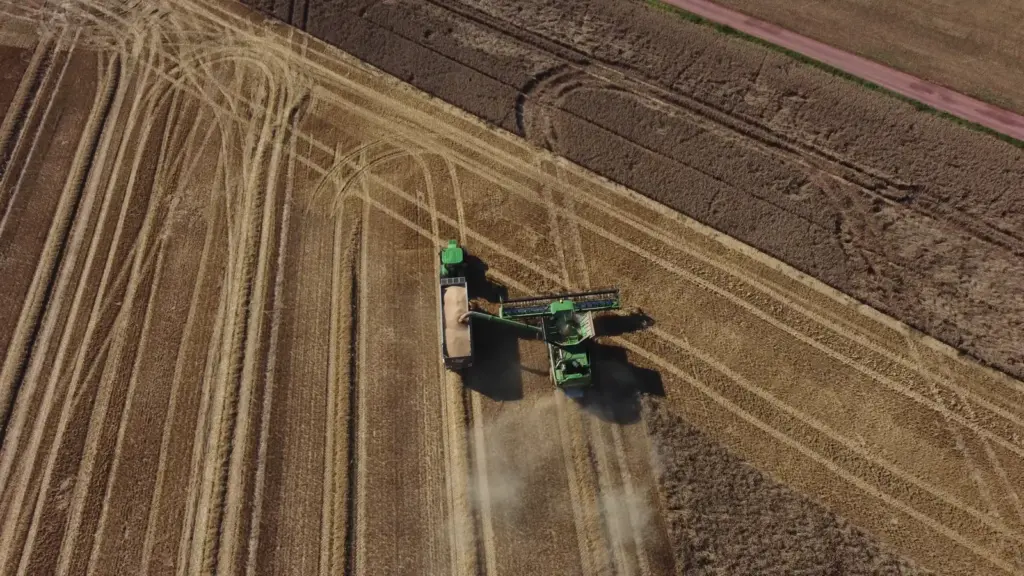
The proposed 2026 Farm Bill is set to significantly impact American agriculture by introducing a provision that offers farmers a reimbursement covering 90% of expenses for implementing specific agricultural technologies. This reimbursement rate is notably 15 percentage points higher than the standard cap for the Environmental Quality Incentives Program (EQIP), highlighting the government's commitment to advancing agricultural innovation.
Among the technologies that would qualify for these reimbursements, the bill explicitly defines precision agriculture and includes a range of tools such as GPS systems, yield monitors, data management software, and various Internet of Things (IoT) and telematics technologies. These innovations aim to enhance efficiency, productivity, and sustainability in farming practices by providing farmers with data-driven insights.
However, one of the more controversial aspects of the proposed bill is the governance of the technical standards for these technologies. Rather than being overseen by the United States Department of Agriculture (USDA), the bill delegates this responsibility to the private technology sector. This means that the standards, guidelines, and best practices for artificial intelligence applications in agriculture will be determined by private entities, potentially raising concerns about accountability and consistency.
The push for precision agriculture is not merely about enhancing productivity; it fundamentally reflects the evolving dynamics in the agricultural sector where data-driven decisions are becoming increasingly critical. The bill's emphasis on private sector-led standards may streamline innovation but also poses questions about the oversight of such technologies that could deeply affect food production and environmental sustainability.
Historically, the Farm Bill is re-evaluated every five years, with the last substantial update occurring in 2018. The expiration of this legislation in 2023 has led to its renewal on multiple occasions, underscoring the persistent need for agricultural policies that respond effectively to both environmental challenges and technological advancements.
As farmers across the nation grapple with the challenges of climate change, market volatility, and resource constraints, the introduction of such provisions could be a game-changer. The ability to adopt cutting-edge technologies with reduced financial burden could provide farmers with the necessary means to modernize their operations, ultimately benefiting both their livelihoods and the broader agricultural landscape.
Nevertheless, as the bill moves forward, stakeholders from various sectors—including environmental advocates, farmers, and technology firms—will need to engage in discussions about how to balance innovation with sustainability. As the agricultural sector stands on the brink of a technological revolution, the implications of the 2026 Farm Bill could shape the future of farming in America for years to come.
The Shocking Truth: Hazelnut Market Set to Boom by 300%—Are You Prepared for 2026?

Why 70% of Doctors Are Ignoring This Shocking Need for Medical Interpreters—Are You Missing Out?

You Won't Believe the Steelers' Shocking Free Agency Move That Could Change Everything!
Shocking New Findings: What 95% of People Missed About This Unsolved Request—Don’t Be Left in the Dark!

RAF 7 vs. UFC: How This Epic Showdown Will Change Everything You Thought You Knew!

You Won't Believe These 5 Surprising Foods That Could Save You from Excruciating Arthritis Pain!
You might also like: