
Shingles Vaccine: The Shocking Secret That Could Turn Back Your Biological Clock!

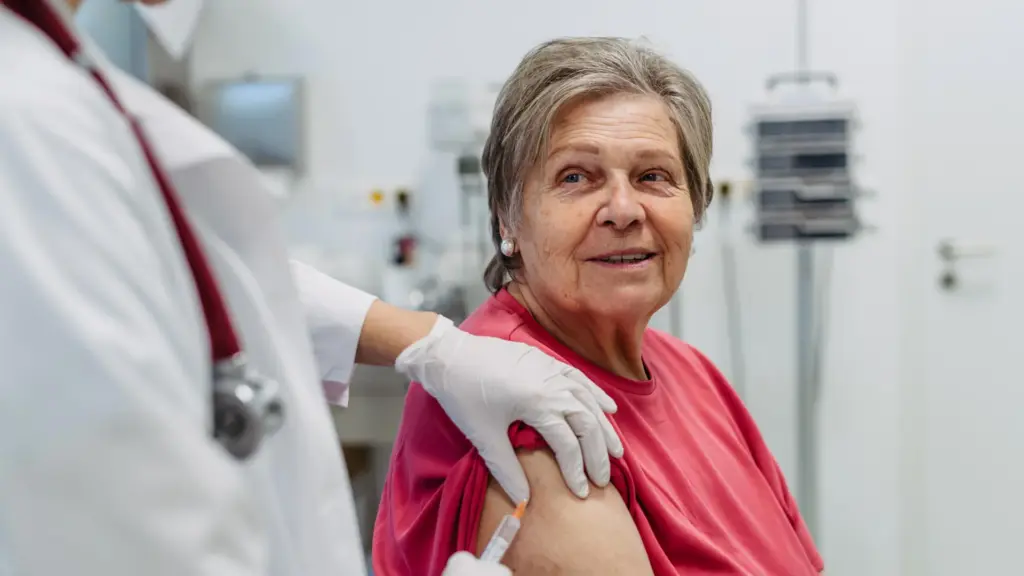
A new study from the USC Leonard Davis School of Gerontology uncovers an intriguing possibility surrounding the shingles vaccine: it may not only shield older adults from a painful rash but could also be associated with slower biological aging. This finding adds a new dimension to our understanding of vaccines and their role in promoting health in later life.
The research, published in the Journals of Gerontology, Series A: Biological Sciences and Medical Sciences, analyzed data from the nationally representative U.S. Health and Retirement Study. The study focused on over 3,800 adults aged 70 and older, gathered in 2016. After adjusting for various health and demographic factors, the scientists found that vaccinated individuals exhibited slower overall biological aging compared to their unvaccinated peers.
Understanding Shingles and Its Risks
Shingles, or herpes zoster, is a painful condition that manifests as a rash with blisters. It occurs when the varicella zoster virus, the same virus that causes chickenpox, becomes active again later in life. While anyone who has had chickenpox can potentially develop shingles, the risk significantly increases after age 50, particularly for those who are immunocompromised. Vaccination is generally recommended for older adults, as it reduces the likelihood of developing shingles and minimizes the risk of postherpetic neuralgia, a type of long-lasting nerve pain that can occur after the rash has healed.
Traditionally, vaccines are viewed primarily as a means to prevent infections. However, growing evidence suggests that they may have broader health benefits. Jung Ki Kim, Research Associate Professor of Gerontology and the study's lead author, noted that prior research has linked adult vaccinations—like shingles and influenza shots—to lower risks of conditions such as dementia and other neurodegenerative diseases. Kim stated, "This study adds to emerging evidence that vaccines could play a role in promoting healthy aging by modulating biological systems beyond infection prevention."
Biological aging differs from chronological age; it reflects how well the body’s systems function rather than the number of years a person has lived. For example, two individuals aged 65 may have vastly different biological profiles, with one exhibiting characteristics of a younger person while the other shows signs of accelerated aging.
Kim and co-author Eileen Crimmins, USC University Professor and AARP Professor of Gerontology, explored seven markers of biological aging in their research:
- Inflammation
- Innate immunity (general defenses against infection)
- Adaptive immunity (specific responses to pathogens after exposure or vaccination)
- Cardiovascular hemodynamics (blood flow)
- Neurodegeneration
- Epigenetic aging (changes in gene regulation)
- Transcriptomic aging (changes in gene transcription to RNA)
These factors were integrated into an overall biological aging score, revealing that vaccinated participants had lower levels of inflammation and better overall biological aging scores than those who were not vaccinated. This highlights the influence of immune health on the aging process. Chronic, low-grade inflammation, often referred to as "inflammaging," is known to contribute to age-related conditions such as heart disease, frailty, and cognitive decline.
Kim explained, "By helping to reduce this background inflammation—possibly by preventing reactivation of the virus that causes shingles—the vaccine may play a role in supporting healthier aging. While the exact biological mechanisms remain to be understood, the potential for vaccination to reduce inflammation makes it a promising addition to broader strategies aimed at promoting resilience and slowing age-related decline."
Notably, the researchers investigated the timing of vaccination. Those who had received the shingles vaccine four or more years before providing a blood sample still demonstrated slower epigenetic and transcriptomic aging compared to unvaccinated individuals. This suggests that the vaccine's effects may extend for several years post-vaccination.
Crimmins commented, "These findings indicate that shingles vaccination influences key domains linked to the aging process. While further research is needed to replicate and extend these findings, especially using longitudinal and experimental designs, our study adds to a growing body of work suggesting that vaccines may play a role in healthy aging strategies beyond solely preventing acute illness."
This study underscores the potential of vaccines to contribute not only to immediate health but also to the overarching framework of healthy aging. As the population ages, understanding how vaccines could serve as tools for enhancing health in older adults becomes increasingly vital. With ongoing research, we may soon see a paradigm shift in how we view vaccines in the context of longevity and quality of life.
You Won't Believe What Tony Bennett Just Revealed About the Lakers' Future—Shocking NBA Moves Ahead!
This Shocking Secret Behind "Unavailable for Legal Reasons" Could Cost You Everything – Find Out Now!

You Won't Believe What Joe Wicks Does Every Morning to Stay Ageless at 40!

Heineken Just Made a Shocking Move: Meet Romain Apert, Their New Chief Digital & Tech Officer! What’s Next?

Is Your Fitness Routine Stuck in the Past? Discover Why the Online Fitness Market Will Skyrocket to $250B by 2032!
You Won't Believe Which Major Union Just Backed Ohio's Governor Hopeful Amy Acton!
You might also like: