
SEC's Shocking Move: Is Your Crypto Investment at Risk? Discover the Rule Change That Could Cost You Big!

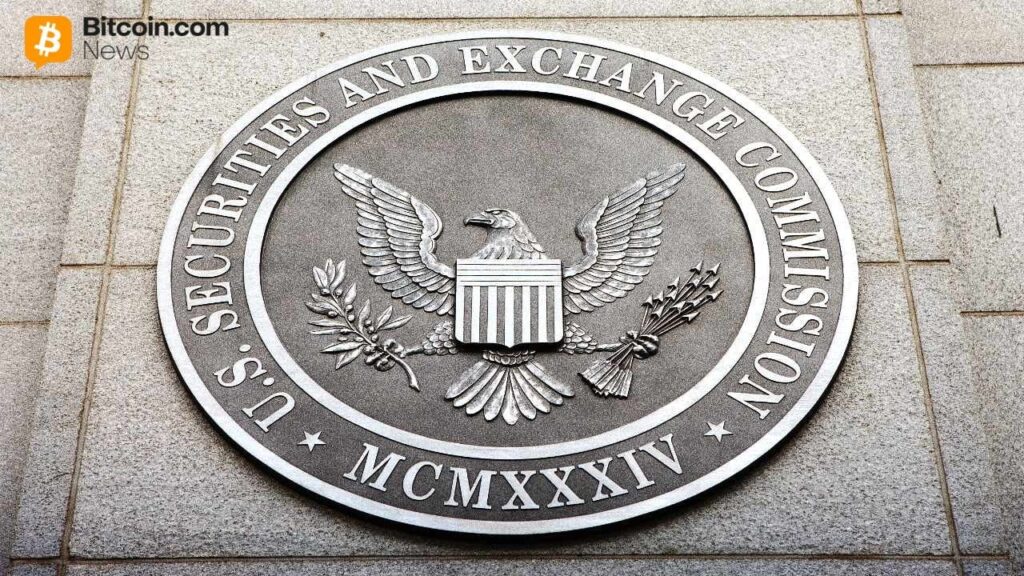
As the landscape of cryptocurrency continues to evolve, the need for regulatory clarity becomes increasingly pressing. Recently, U.S. Securities and Exchange Commission (SEC) Commissioner Hester M. Peirce emphasized the importance of establishing a more permanent framework for defining broker rules in the crypto market. Her comments follow guidance released by the SEC Division of Trading and Markets, which delineates when providers of crypto interfaces and self-custody wallet services can operate without needing to register as broker-dealers in certain on-chain securities transactions.
On April 13, 2023, Commissioner Peirce argued that while the staff's views are valuable, a solid regulatory foundation is essential to adapt to the current circumstances of the market. She stated, “While the staff expressing its view is helpful, I favor a more permanent regulatory approach that addresses the broker definition in light of current market circumstances.” This perspective highlights the need for clearer, long-term guidelines that can effectively manage the rapidly changing crypto landscape.
In her remarks, Commissioner Peirce reaffirmed existing legal boundaries, clarifying that merely enabling users to manage their self-custody wallets or transmit instructions to a blockchain does not automatically classify these interfaces as “brokers.” She noted, “The law is already clear that wallets and interfaces do not become ‘brokers’ solely because they enable users to create or control self-custody wallets.” This distinction is crucial as it separates infrastructure providers from regulated intermediaries.
Defining Broker Registration for Crypto Interfaces
The SEC guidance outlines specific conditions under which crypto interface providers can operate without fearing broker registration. To qualify, these providers must refrain from soliciting transactions, adhere to objective parameters, and maintain transparency regarding fees and potential conflicts of interest. Notably, these interfaces are prohibited from executing trades, holding assets, or offering investment advice. Additionally, they must implement clear disclosure practices, strong cybersecurity controls, and neutral routing mechanisms across various trading venues. It is essential to note that this guidance is considered an interim measure, subject to reassessment within five years.
Commissioner Peirce cautioned against overreaching regulations that could stifle innovation and limit investor access. “People have shown great ingenuity in developing crypto wallets and front ends that serve users well,” she noted. “It would be a shame if investors in crypto asset securities transactions were unable to use these tools because of an overly broad reading of the term ‘broker.’” Her emphasis on public feedback indicates a willingness to refine definitions as the technology evolves, ensuring a balance between regulation and innovation.
The SEC’s recent guidance reflects a significant step in the ongoing conversation about how to regulate the burgeoning world of cryptocurrency. As the industry matures, the feedback from stakeholders, including developers and investors, will be integral to shaping effective regulations that promote both safety and growth. This discussion is not merely academic; it has real-world implications for the operations of countless businesses and the rights of individual investors navigating the complexities of digital finance.
In a market characterized by rapid developments and shifting paradigms, the calls for a more defined regulatory framework resonate throughout the industry. As the SEC continues to seek input and refine its rules, the trajectory for crypto regulation could significantly influence how these technologies integrate into the broader financial system. Ultimately, the choices made today will shape the landscape of cryptocurrency and its accessibility for American consumers and businesses alike.
Unlock the Secret 5K Formula Elite Coaches Won't Tell You—Are You Running Too Slow?

Why This Star Player’s Injury Could Change the Entire NBA Playoff Landscape – Don’t Miss Out!

You Won't Believe What the Dallas Stars Just Unveiled at the Eastside YMCA Playground! Shocking Details Inside!

The Shocking Truth: Why the Green Solution to Climate Change May Be a DISASTER for Your Future!
You Won't Believe What Our 2025 Health Report Reveals About America's Shocking Life Expectancy Drop!

The Shocking Truth: 20 College Basketball Stars You Won’t Believe Are Transferring—Are Your Favorites on This List?
You might also like: