
Scientists Uncover Shocking Toxin in Arctic Seals' Blood—Could It Threaten Your Health?

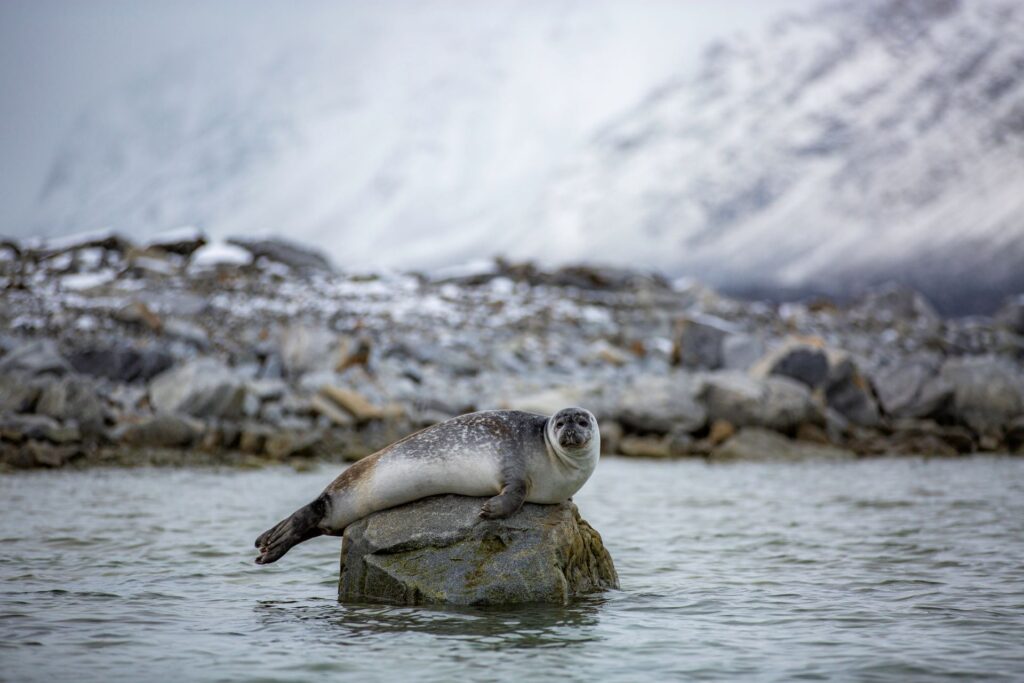
Arctic ringed seals are facing an increasingly perilous future due to a combination of environmental changes and enduring contaminants. A recent study published in Environmental Research highlights the health risks these seals face as rising temperatures exacerbate existing threats while also altering their habitats and diets.
As global temperatures soar, the Arctic sea ice—vital to the survival of ringed seals—is rapidly melting. These seals rely heavily on sea ice not just for breeding and resting, but also as a pathway to access nutrient-rich food sources. According to the National Wildlife Federation, these animals seldom come to shore, making them particularly vulnerable to the ongoing impacts of climate change.
A research team from Simon Fraser University in British Columbia delved into the biological samples of ringed seals collected between 2009 and 2011. They discovered a troubling correlation: warmer Arctic conditions are not only altering the types and quantities of food available to the seals but also increasing their exposure to harmful contaminants such as polychlorinated biphenyls (PCBs) and dichlorodiphenyltrichloroethane (DDT). In a media release, Tanya Brown, the study's senior author and a marine mammal ecotoxicologist, emphasized that “warmer conditions can change what they feed on, which changes their contaminant exposure, and that can affect their overall health and survival.”
The implications of this research are dire. As temperatures rise and sea ice diminishes, malnutrition may also change how seals store and process these contaminants. Lead author Anaïs Remili explained, “Thinner, nutritionally stressed seals redistribute the contaminants they had stored in their blubber back into the bloodstream, which then circulates through their entire system.” The long-lasting nature of these pollutants, many of which are banned globally, poses additional health risks, including oxidative stress linked to inflammation, chronic disease, and reproductive issues.
Why This Matters
Ringed seals hold a critical role in the Arctic ecosystem. They are a primary food source for polar bears and are integral to the food systems of Indigenous communities across the region. As highlighted by Pinnguaq, seals are a staple food for Inuit populations. Their skin and fat are utilized in traditional clothing and lamp fuel, respectively. If rising temperatures, ice loss, and persistent contaminants negatively impact seal populations, food security could become a pressing issue in remote areas already grappling with high grocery costs and few alternatives.
Even though PCBs and DDT were banned in many countries decades ago, they continue to persist in the environment, posing long-term risks. Brown noted that changes in ocean currents could further exacerbate this problem by flushing more pollutants into the Arctic. “Healthy seal populations are essential for food security and cultural continuity,” she stated.
As the scientific community continues to study the ramifications of global warming on Arctic and Subarctic wildlife, it becomes increasingly important for individuals to understand these pressing environmental issues. Advocacy for proactive and effective regulation of harmful chemicals can play a role in mitigating these risks.
This research serves as a crucial reminder that the health of ecosystems and the communities that depend on them are inextricably linked. As the Arctic continues to face unprecedented changes, ensuring the survival of vital species like the ringed seal is essential for both ecological balance and cultural heritage.
What Happens in 24 Hours? Tech Workers Face 50% Jump in EMIs—Is Your Job Next?

Virginia's New Social Media Rules for Kids Just Got Blocked—What This Means for Your Family!

You Won't Believe What Star Player Might Miss Hokies vs. North Carolina Showdown!

Is Kenyon Sadiq's NFL Combine Performance a Game-Changer or a Disaster? You Won't Believe the Shocking Stats!

You Won't Believe What Governor Gordon Just Signed into Law—This Could Change Everything for 2026!
You Won't Believe What Scientists Just Discovered About Your Genes and Obesity Risks! 85% of People Are Affected!
You might also like: