
Samsung's Shocking Q1 2026 Decline: What This 30% Drop Means for YOU!

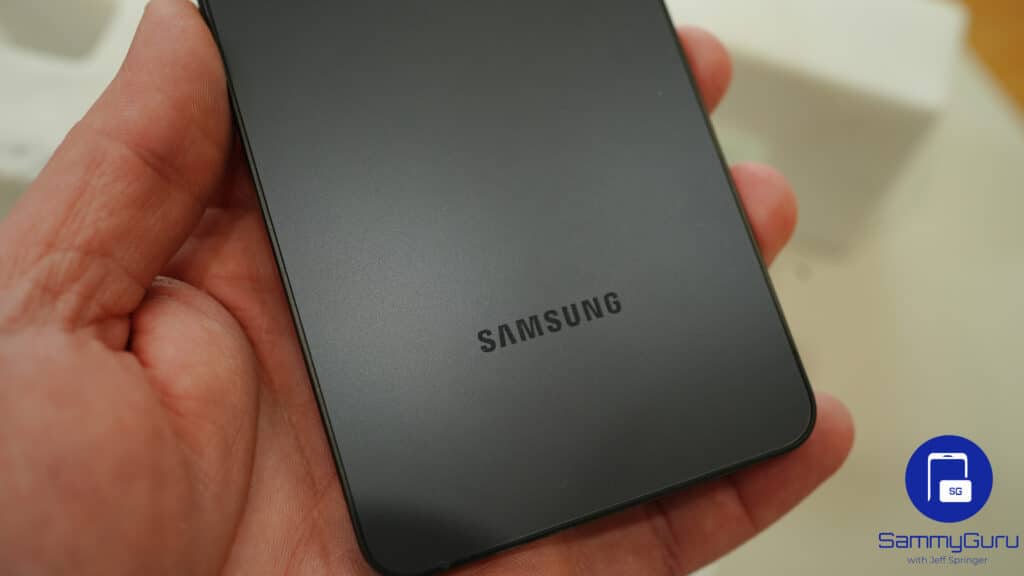
The global smartphone market experienced a notable slowdown in the first quarter of 2026, significantly impacting major players like Samsung. Despite launching its flagship devices, the South Korean tech giant saw a decline in shipments, allowing its arch-rival Apple to seize the top position in the market for the first time.
According to data from Counterpoint Research, Samsung's smartphone shipments dropped by 6% year-over-year (YoY) in Q1 2026. This decline resulted in a reduction of its market share from 21% to 20%. The decrease is attributed to a weakening demand particularly in the mass-market segment, along with delays in the launch of the anticipated Galaxy S26 series. Consequently, Samsung now holds the second spot in global smartphone shipments.
While the overall shipments were down, there remains a solid demand for the Galaxy S26 series, especially for the Ultra model. In response to this positive trend, Samsung has reportedly ramped up production volumes for the flagship models slated for April, indicating potential improvements in shipment figures for the upcoming quarter—though the outcomes remain uncertain.
Samsung's challenges are not unique. The entire smartphone market saw a 6% decline in shipments YoY during the same period. This overall market contraction is largely driven by memory chip manufacturers prioritizing supply for AI data centers over consumer electronics. As a result, original equipment manufacturers (OEMs) are facing heightened production costs which they are compelled to pass on to consumers, affecting pricing strategies and margins.
In the competitive landscape, Apple has emerged as the leader, capturing 21% of the global smartphone market share in Q1 2026. The company benefited from strong demand for the iPhone 17 series, appealing trade-in offers, and the allure of its ecosystem, effectively retaining customer loyalty. Samsung's slip to second place highlights the ongoing shifting dynamics within the smartphone sector.
Following Apple, Xiaomi secured the third position with a 12% market share, although it experienced the steepest YoY decline—19%—among the top five brands. OPPO and vivo rounded out the top five with 11% and 8% shares, respectively.
To counter the effects of rising costs, Samsung has streamlined its entry-level offerings and shifted its focus to higher-tier configurations. This strategic pivot has resulted in higher starting prices, reinforcing the premium positioning of its smartphones in the market. The pressure from increasing memory chip costs is a challenge not only for Samsung but for many OEMs navigating this evolving landscape.
As the smartphone market braces for the second quarter of 2026, all eyes will be on how companies like Samsung can adapt to the changing conditions and consumer demands. The tech industry is always in flux, and with rising costs and shifting market shares, the landscape promises to remain competitive and challenging.
CF Montréal's Shocking Coach Change: What This Means for Their Playoff Hopes!

Is the 2026 Winter Olympics DOOMED? Shocking Climate Change Facts That Could Cancel It All!

You Won't Believe What Happened to Meg Gallagher's Body After 30 Days of Running Just ONE Mile a Day!

Warriors vs. Clippers: Can L.A. Pull Off an Upset? Shocking Play-In Stakes Revealed!

Is Climate Change Already Costing Us $300 Billion A Year? Shocking Monday Headlines Expose the Truth!

Ether Machine Pulls the Plug on SPAC Merger with Dynamix - What This Shocking Move Means for Your Crypto Investments!
You might also like: