
Samsung's Shocking Fall: Why It's Not in China's Top 6 Smartphone Brands – You Won't Believe the Reason!

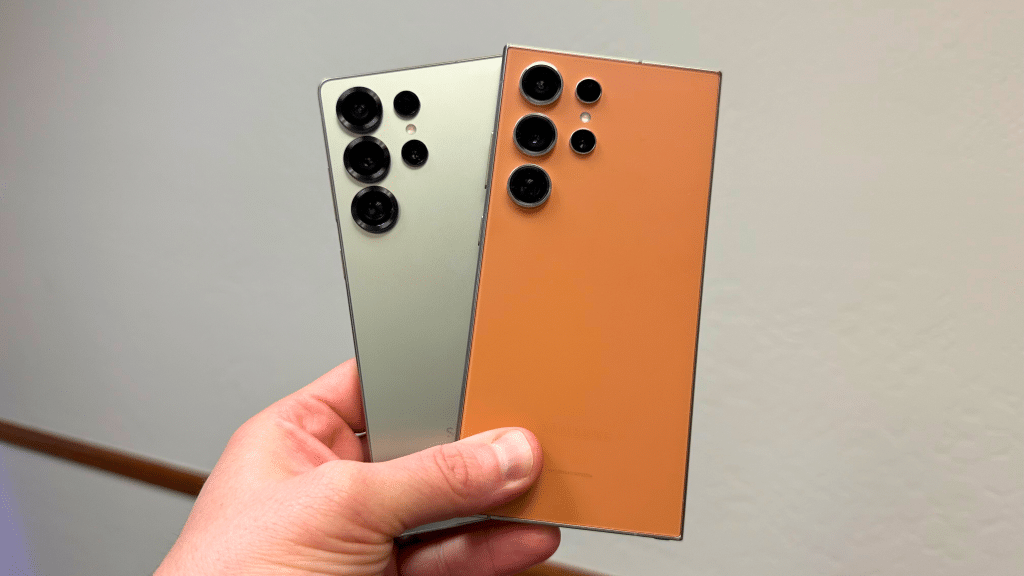
Samsung, a titan in the global smartphone industry, finds itself in a precarious position in China. Despite its status as one of the world's largest smartphone makers, consistently ranking first or second worldwide, Samsung's presence in the Chinese market has diminished significantly. As of the fourth quarter of 2025, it has failed to crack the top six smartphone brands, according to data from Counterpoint Research.
In Q4 2025, Samsung's smartphone market share in China remained categorized under “Others,” a group that includes brands with minimal market presence, accounting for just 5% of total shipments. This is a stark contrast to 2013 when Samsung enjoyed approximately 20% of the Chinese market share. By 2018, that figure had plummeted to around 1%, and the company has struggled to regain any footing since then.
The crux of Samsung's challenges in China lies in fierce competition from domestic brands. Major players such as Huawei, Xiaomi, OPPO, Vivo, and Honor have tailored their offerings to better align with local consumer preferences. These brands have also capitalized on robust offline retail networks, further solidifying their hold on the market.
As the landscape stands, Apple led the Chinese smartphone market in Q4 2025 with a notable 21.8% share, driven by strong demand for the iPhone 17 series. Following Apple, OPPO secured second place with 15.8%, while Vivo took third with 15.7%. Huawei (14.6%), Xiaomi (13.7%), and Honor (13.4%) rounded out the top six positions. In a full-year overview, Huawei emerged as the leading brand, largely due to its well-priced mid-to-high-end models, while Samsung remained sidelined from the top rankings.
While Samsung struggles in China, the company has regained some ground in the global smartphone market, capturing an 18.2% share. In Q4 2025, Samsung shipped 61.2 million smartphones worldwide—an 18.3% increase from the same period in 2024. However, it still trails behind Apple, which continues to lead the global market.
Looking ahead, Samsung is gearing up to introduce the Galaxy S26 series globally, expected in late February. This new flagship lineup could play a pivotal role in recapturing some of the company's lost market share, particularly as it seeks to leverage its strengths in design and technology.
The contrasting fortunes of Samsung in China versus the global market highlight the complexities of competition in a rapidly evolving industry. As local brands continue to innovate and cater specifically to the Chinese consumer, Samsung's path back into the top echelons of the market remains fraught with challenges. The company's next moves will be crucial not just for its revival in China, but also for maintaining its standing on the global stage.
Discover the 7 Shocking High-Protein Snacks Weight Lifters Swear by – #3 Will Blow Your Mind!

Fruit Snack Frenzy: Why This $50 Billion Market Will Explode by 2033—Don’t Get Left Behind!

Real Estate's Shocking Demands for Budget 2026: Are You Ready for the Consequences?

Mikie Sherrill's Shocking Inauguration: Is This the Turning Point for NJ's Affordability Crisis?

RFK Jr. Sparks Outrage: Lawsuit Over Shocking Vaccine Schedule Change! What’s at Stake?

Ravens Eye Broncos’ Special Teams Coach: Is This the Game-Changer They Desperately Need?
You might also like: