Russian Governor’s Shocking Order: 10,000 Workers to Join Military or Face Job Loss! What’s Next?

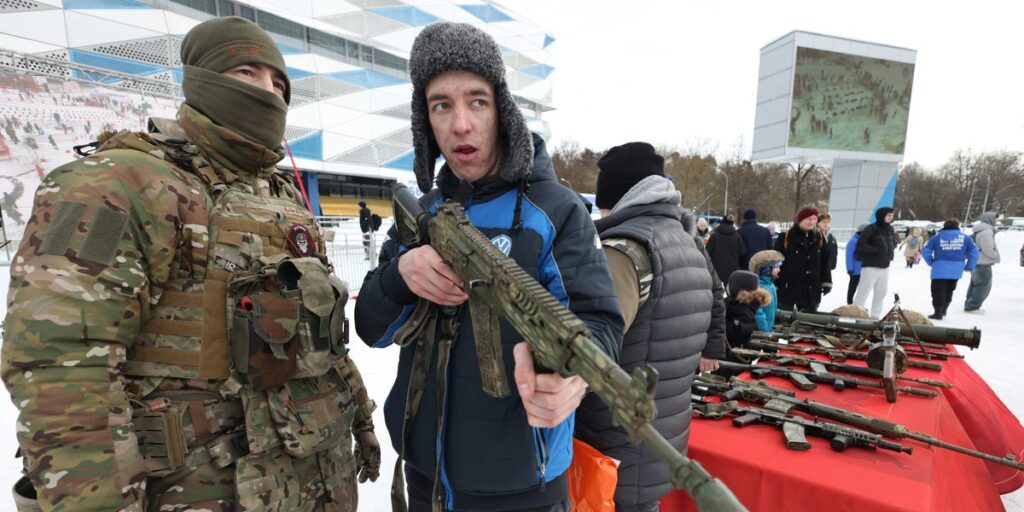
A significant development in Russia’s ongoing military engagement in Ukraine has surfaced from the Ryazan region, where Governor Pavel Malkov has mandated that large companies compile lists of employees as "candidates" for military service. This unusual directive seeks to involve businesses directly in recruitment efforts, an increasingly vital task as Russia grapples with the realities of sustaining its military forces amid ongoing losses.
Under the order signed by Malkov, businesses with 150 or more employees are required to submit a shortlist of workers by September 20. Specifically, firms with 150 to 300 employees must propose two candidates, those with 300 to 500 workers must propose three, and companies with more than 500 employees are to submit five names. This recruitment push targets individuals for "military service under contract," a form of enlistment that, while ostensibly voluntary, has been increasingly utilized to bolster Russia's military ranks in the wake of significant casualties in Ukraine.
The legislation, dated March 20, has only recently garnered attention through reports by independent Russian media and open-source intelligence organizations. The requirement applies to all business entities, regardless of ownership, which includes both private and state-owned organizations. While the order does not specify penalties for non-compliance, local law indicates that businesses obstructing such military recruitment could face fines of up to 1 million rubles, roughly $12,300.
This latest push for military personnel comes as Russia continues to explore various avenues to replenish its forces, including offering large sign-up bonuses and leveraging informal recruitment networks overseas. Despite claims by Moscow that over 420,000 people signed up for military contracts last year, recruitment efforts have reportedly slowed, particularly in larger urban areas where public sentiment toward the conflict has shifted. Many potential recruits now express hesitance about joining a military campaign perceived as fraught with peril.
The implications of this recruitment mandate extend beyond the military sphere, directly impacting Russia's economy, which is already wrestling with labor shortages. Government officials have warned that the country could face a deficit of up to 11 million workers by 2030. The prioritization of military enlistment will likely exacerbate these economic challenges as more individuals are drawn away from civilian jobs to support military operations.
Furthermore, Russia aims to expand its active-duty military force to 1.5 million soldiers, contributing to a total military force of approximately 2.38 million when including support and civilian service personnel. The financial strain is notable; in 2025, Russia allocated about 6.3% of its GDP to defense, an investment that reflects both the current needs of the military and the long-term strategic goals of the nation.
This development in Ryazan aligns with a broader pattern of military recruitment efforts employed by the Russian government, which has increasingly sought to secure personnel through various innovative means as the war in Ukraine continues to evolve. As the situation unfolds, it remains to be seen how effective this new mandate will be in meeting the military's manpower demands and what further implications it may have for Russian society and its economy.
Social Media’s Sudden Death: What’s Taking Over and Why You Should Be Worried!
Federal Government's Shocking Move: 90% of Vaccine Injury Claims Now at Risk—Are You Affected?

What If TUMS Could Save Our Oceans? Shocking New Discovery Reveals Hidden Carbon Secrets!

Lakers and Nuggets Snatch Playoff Spots as Shocking Suns Loss Leaves Fans Reeling—You Won't Believe What Happened!

Microsoft's Stock Skyrockets 15% Overnight—What's Behind This Shocking Surge? You Won't Believe It!

Is China Star Entertainment's Stock Surge Hiding an Earnings Disaster? Shocking Details Inside!
You might also like: