
Revolutionary Glucose Monitor Unveils at CES 2026—Will It Change Diabetes Management Forever?

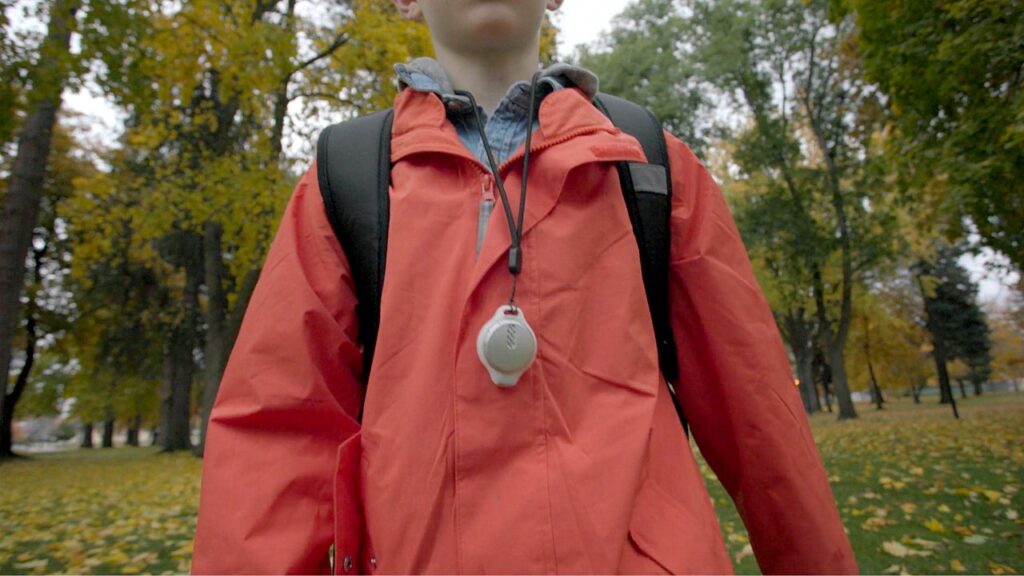
The challenge of tracking blood sugar without needles has long plagued health technology, especially for individuals with diabetes who require constant monitoring. Traditional methods, such as finger pricks and under-the-skin continuous glucose monitors, are uncomfortable and invasive. However, a groundbreaking device called isaac is gaining traction for its innovative approach to glucose tracking.
Developed by PreEvnt, isaac is a small, breath-based device that aims to alert users to glucose fluctuations without the need for needles or invasive sensors. Instead of drawing blood, isaac analyzes acetone and other volatile organic compounds in exhaled breath—substances linked to blood sugar levels. The technology is built on the principle that certain changes in breath composition can correlate with rising blood glucose levels, particularly in diabetic individuals.
Why Noninvasive Glucose Tracking Matters
For people living with diabetes, monitoring blood sugar levels is crucial. Unnoticed fluctuations can lead to severe health risks, including long-term organ damage or sudden hypoglycemia. Monitoring is particularly challenging for specific groups such as small children, older adults, and those who are averse to needles. The demand for simpler and less invasive tracking tools is continuously growing, particularly as lifestyle-related health issues become more prevalent. For instance, people without diabetes are increasingly using glucose tracking tools to understand how their diets impact their health, spurred by the rising popularity of GLP-1 medications.
Even major tech companies, like Apple, have invested in developing no-prick glucose tracking technology for wearables, but as of yet, the feature has not materialized in consumer products. This sets the stage for innovative alternatives like isaac to potentially fill the gap in the market.
At the Consumer Electronics Show (CES) 2026, isaac was highlighted as one of the most talked-about health devices. Measuring approximately the size of a quarter, the device is designed for easy wear, either on a lanyard or clipped to clothing or bags. It's engineered to reduce the frequency of finger-prick blood tests, all while providing timely alerts for potential glucose-related changes.
Bud Wilcox, the inventor of isaac, was motivated to develop the device by a personal connection—his grandson, Isaac, was diagnosed with type 1 diabetes at just two years old. This familial connection fueled a collaborative effort involving scientists, designers, and engineers, including research ties with Indiana University under the direction of Dr. M. Agarwal. Wilcox's mission is to alleviate the painful burden of constant testing for his grandson and families dealing with diabetes.
Users of isaac will breathe into the device, which processes the reading and sends the data to a companion smartphone app. Although still in development, the app includes features aimed at enhancing both awareness and safety. These features consist of a timeline for logging meals, a history of breath readings, and alerts that can notify emergency contacts. This feature is particularly important since individuals experiencing hypoglycemic events can become disoriented or incapacitated, and timely alerts can enable caregivers to intervene effectively.
Isaac targets a broad audience, including type 1 and type 2 diabetics, as well as prediabetics. Additionally, it may appeal to individuals focused on metabolic health. Though currently undergoing development and FDA review, the device has not yet hit the U.S. market. The accompanying app is expected to launch on both iOS and Android platforms closer to commercial availability.
PreEvnt initially unveiled isaac at CES 2025, entering active human clinical trials later that year. These trials compare isaac's breath-based alerts with traditional blood glucose monitoring methods, starting with adolescents diagnosed with type 1 diabetes and expanding to include adults with type 2 diabetes. The company is now pursuing a de novo pathway for regulatory review with the U.S. Food and Drug Administration, allowing the device to be evaluated while standards are still being defined. Preliminary data has reportedly garnered strong interest from regulators as more results emerge.
While isaac does not claim to replace medical-grade glucose meters, it offers a supplementary method for glucose monitoring—alerting users to potential changes in blood sugar through breath analysis. This is a significant advancement, suggesting that the long-elusive promise of non-invasive glucose monitoring could be nearing reality.
As clinical trials continue to yield favorable outcomes, families grappling with diabetes may soon find relief from the daily discomfort associated with finger pricks. The prospect of a breath-based device revolutionizing glucose monitoring could mean a safer and more manageable daily life for those affected.
Would you trust a breath-based device to warn you about rising blood sugar before symptoms appear? Let us know by visiting Cyberguy.com.
Why Millions Are Panicking Over This Unbelievable Error—You Won’t Believe What’s at Stake!
Is Your Favorite Snack Food Harming You? Shocking Study Reveals Hidden Health Risks!

You Won't Believe Which Sonoma Valley Boys Stunned Everyone with Shocking Victories!
This NEW Honor Magic8 Pro Feature Will Leave You Speechless—Don’t Miss Out!

Senators Unveil Shocking Plan: Could Startups Save Millions on Accounting Fees?

Wagner College's Shocking Choice: Why James Still’s 2026 Stanley Award Win Could Change Theatre Forever!
You might also like: