
Qualcomm's Shocking Partnership with CXMT: Is Your Smartphone About to Become Obsolete?

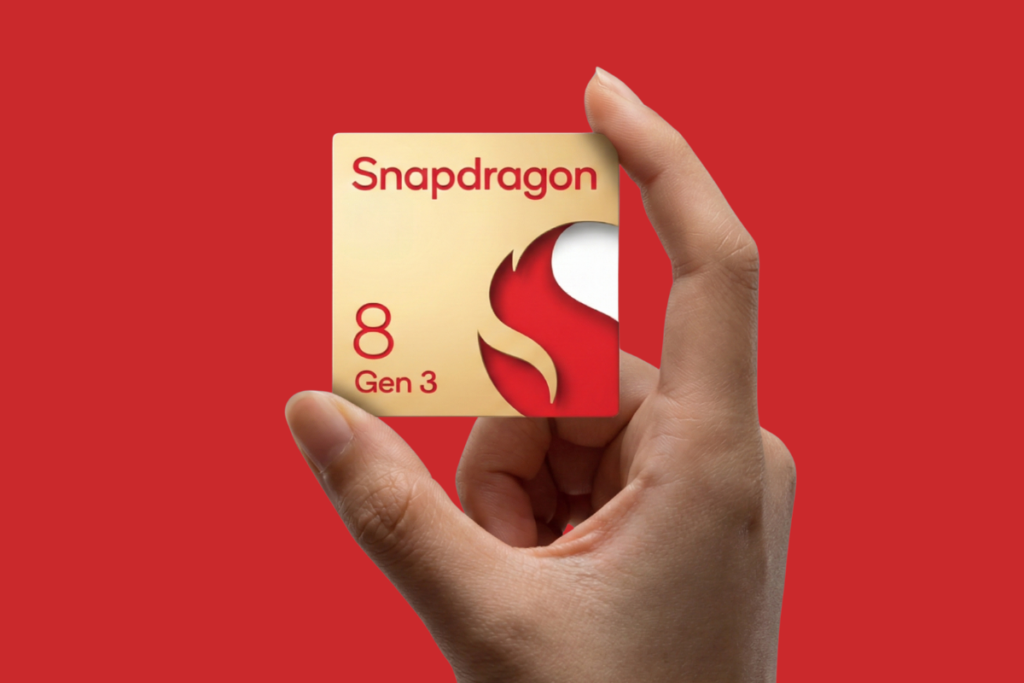
The smartphone industry is grappling with an escalating crisis: a significant shortage of memory chips, particularly DRAM (Dynamic Random Access Memory). This challenge, driven by a surge in demand for AI hardware and constrained production capabilities, is forcing manufacturers to navigate a complex landscape of rising costs. Reports from Wccftech and South Korea's JoongAng Ilbo indicate that semiconductor giant Qualcomm is responding by collaborating with Changxin Memory Technologies (CXMT) to create custom DRAM specifically designed for smartphones.
The root of this shortage lies in the current focus of DRAM production. A large proportion of manufacturing capacity is now dedicated to high-bandwidth memory (HBM), leaving mobile-focused DRAM in short supply. As a result, companies building smartphones face mounting pressure, particularly as DRAM costs—representing roughly a third of the total materials bill for a phone—continue to rise. When combined with NAND storage, memory accounts for more than half of the overall production cost of a typical device. This significant financial strain complicates efforts to maintain stable pricing without compromising the quality of other components.
Different market segments are feeling the impact of these shortages in varying degrees. Flagship smartphones, with their premium pricing, can absorb increased costs more readily than budget or mid-range devices, which have a tighter margin for price fluctuations. For these lower-tier products, rising memory costs could lead to reduced specifications or even higher retail prices, potentially alienating price-sensitive consumers.
Strategic Moves Amidst Challenges
The ongoing memory shortages are prompting major players like Qualcomm and MediaTek to reevaluate their production strategies. Reports suggest that both companies have scaled back orders for mid-range 4nm chips, resulting in the potential reduction of tens of millions of chips in the pipeline. This strategic contraction reflects the need to manage resources effectively in an unpredictable supply chain environment.
If Qualcomm's partnership with CXMT comes to fruition, it could signify a pivotal shift towards greater control over supply chains. By collaborating directly with a memory manufacturer, Qualcomm may stabilize costs for its partners, ensuring a more secure supply of essential components. Moreover, there is a geographic angle to this collaboration; with China being the largest smartphone market, the custom DRAM developed in partnership with CXMT could primarily serve local manufacturers. This could enable them to better navigate the current constraints, fostering a more resilient ecosystem within the industry.
As the smartphone landscape continues to evolve, these developments highlight the critical role that memory components play in shaping product offerings and pricing strategies. With memory costs being a significant factor in the overall economics of smartphone production, how companies respond to these challenges will likely dictate their competitive positioning in the market.
For consumers, the implications are clear. As manufacturers grapple with rising costs, the features and affordability of future smartphones could be at stake. The landscape of mobile technology is shifting, and how brands adapt to these supply chain pressures will be crucial in determining their success in an increasingly competitive arena.
For more daily updates, visit our News Section or join our community on Telegram for the latest insights and developments in technology.
Arctic Seals Are Dying: Discover the Shocking Truth Behind Climate Change and Toxic Dangers!

Bitcoin Surges Past $76K – Is This the Start of a Crypto Explosion You Can’t Afford to Miss?

Manhattan DA Launches Shocking Investigation: What Could This Mean for Eric Swalwell's Future?

Discover What 10 Million Tourists Are Flocking to in Jamaica – You Won’t Believe #3!

Uncover the Hidden Secrets of an Atlantis-Inspired Dream Home in Jamaica – You Won't Believe What’s Inside!

Is Toast (TOST) About to Disrupt 100+ Restaurants? Shocking New Tech Could Change Everything!
You might also like: