
Portugal's Presidential Showdown: What Happens If the Underdog Wins? You Won’t Believe the Consequences!

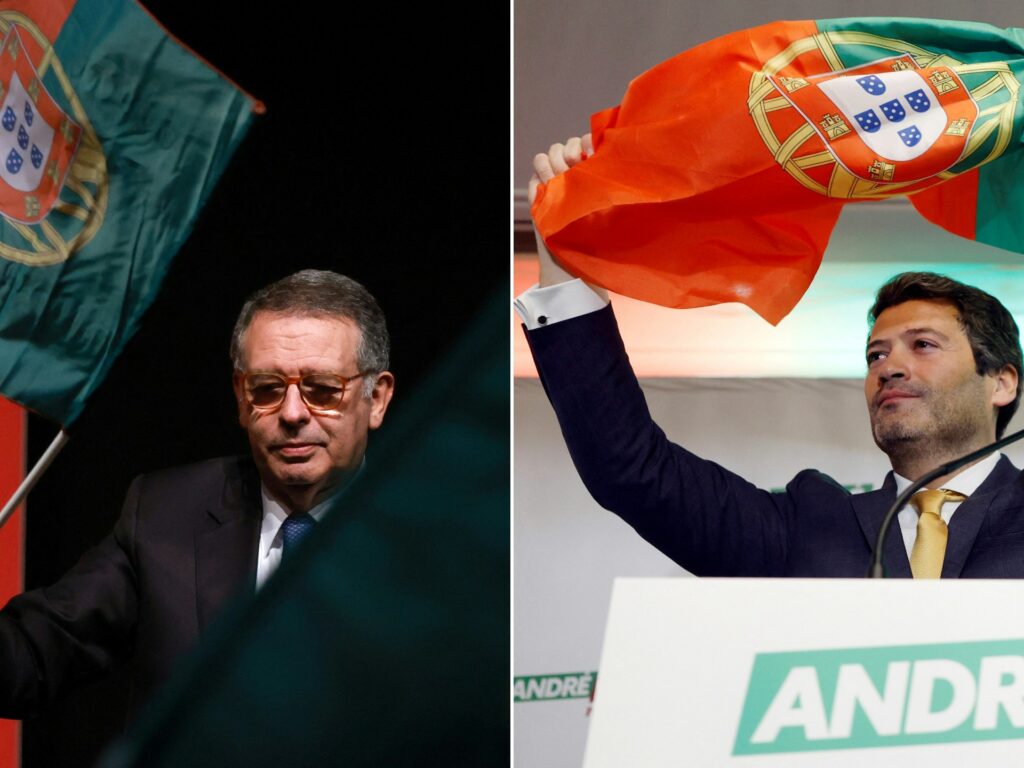
The political landscape in Portugal is heating up as voters head to the polls for the second round of the presidential elections on February 8, 2026. With heavy storms lashing the country, this election is seen as a pivotal moment for Portugal, particularly as it features a showdown between the Socialist Party leader, Antonio Jose Seguro, and the leader of the far-right nationalist party, Chega, Andre Ventura. As citizens cast their ballots, about 11 million voters—both at home and abroad—are eligible to make their voices heard.
Antonio Jose Seguro, at 63 years old, emerged from the first round of voting with 31.1 percent of the total votes. In contrast, Andre Ventura, a controversial figure known for his inflammatory rhetoric, garnered 23.5 percent of the votes. While Seguro is anticipated to win, the focus is on Ventura’s performance and what it signifies for the far-right's influence in Portuguese politics.
The presidential role in Portugal, while largely ceremonial, carries substantial symbolic weight, particularly in a nation grappling with rising political polarization. This election is not just about choosing a president; it reflects broader trends across Europe where far-right parties are gaining traction. Ventura’s party, Chega, which translates to “enough” in Portuguese, has capitalized on discontent among voters, drawing attention to issues such as immigration and economic inequality.
The election is taking place amidst severe weather conditions that have disrupted many aspects of daily life in Portugal. Heavy storms have resulted in at least five fatalities, widespread flooding, and damages estimated at 4 billion euros (approximately $4.7 billion). Despite an improvement in weather conditions overnight, voting in 14 of the most affected constituencies has been postponed for nearly 32,000 people and will reschedule for one week later. In response to the storms, Prime Minister Luis Montenegro acknowledged the “devastating crisis,” but insisted that the elections must go on, emphasizing the importance of upholding democratic processes despite such challenges.
Montenegro pointed out that the last presidential election, held five years ago, was conducted even during the COVID-19 pandemic. This commitment to maintaining the electoral schedule demonstrates the government’s resolve to navigate through crises while respecting the democratic will of the people.
As voters make their decisions today, the results of this election will not only determine the next Portuguese president but also signal the direction of the country's political landscape in the face of ongoing economic and social challenges. Exit polls are expected to be released around 9 PM local time (20:00 GMT), providing early insights into how this critical election may unfold.
Sam Rockwell's Stunning Transformation: You Won't Believe What He Risks in 'Good Luck, Have Fun, Don’t Die'!

You Won't Believe How One Nigerian Man Turned His Hunger Into a Real Estate Empire – Shocking Secrets Inside!

Is This the End for Tech Giants? Discover Why Small-Cap Stocks Could Skyrocket by 300%!
You Won't Believe What Happened When This Request Went Totally Awry! Find Out What It Means for You!

Patrick Bet-David's Bold XRP Move Amidst $200 Billion Crypto Bloodbath—Is He a Genius or a Fool?

Why Millions Are Ditching Social Media: The Shocking Truth Behind the New Activism Movement!
You might also like: