
Polar Bears' DNA Changing – Could This Be Their Last Hope Against Climate Chaos?

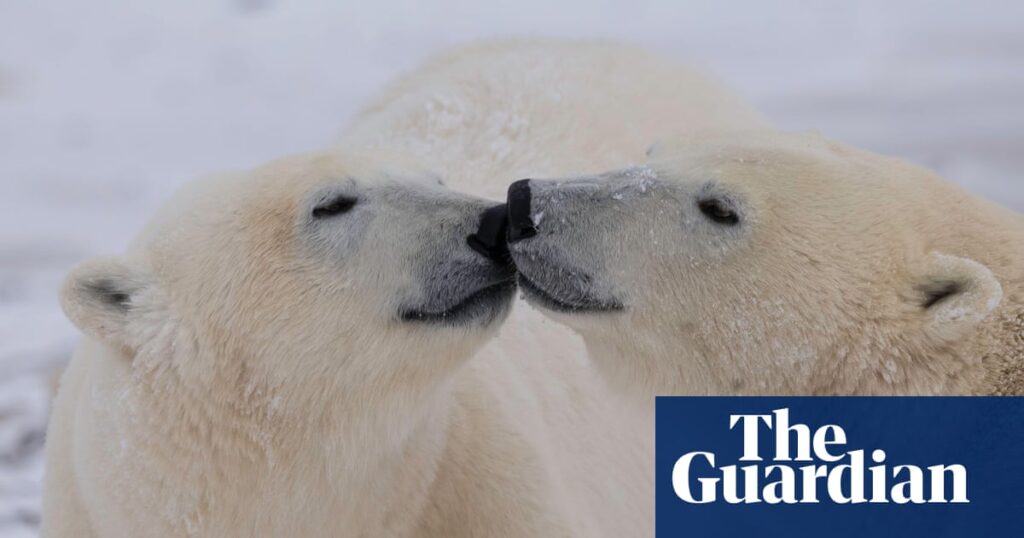
In a groundbreaking study, researchers at the University of East Anglia have discovered changes in polar bear DNA that may allow these iconic Arctic mammals to adapt to the warming climate. This important finding marks what is believed to be the first statistically significant link between rising temperatures and alterations in the DNA of a wild mammal species, underscoring the urgent need for understanding how climate change impacts wildlife.
The survival of polar bears is increasingly threatened by climate breakdown, with projections suggesting that two-thirds of the global population could vanish by the year 2050. As their icy habitats melt and temperatures rise, these majestic creatures face an uncertain future.
The research team focused on polar bears in southeast Greenland, analyzing blood samples from bears in two distinct regions. They examined “jumping genes,” which are small, mobile pieces of the genome that can significantly influence other genes. By correlating genetic data with local climate conditions, the researchers observed that some genes associated with heat stress, aging, and metabolism were behaving differently in the bears from warmer areas.
“DNA is the instruction book inside every cell, guiding how an organism grows and develops,” said Dr. Alice Godden, the study's lead researcher. “By comparing these bears’ active genes to local climate data, we found that rising temperatures appear to be driving a dramatic increase in the activity of jumping genes within the southeast Greenland bears’ DNA.”
The findings, published in the journal Mobile DNA, suggest that the genetic makeup of these polar bears is evolving in response to their changing environment. Bears residing in the warmest areas exhibited more substantial genetic changes compared to those in cooler northern regions. This has significant implications for understanding which populations may be at risk and how conservation efforts can be tailored to support their survival.
As the climate shifts, local diets and habitats are also changing, forcing polar bears to adapt. Notably, bears in southeastern Greenland have increasingly resorted to rough, plant-based diets, differing from the fatty seal-based diets typical of their northern counterparts. Relevant DNA changes observed in these bears may enhance their ability to thrive during periods of food scarcity.
“We identified several genetic hotspots where these jumping genes were highly active, with some located in the protein-coding regions of the genome, suggesting that the bears are undergoing rapid, fundamental genetic changes as they adapt to their disappearing sea ice habitat,” elaborated Dr. Godden.
This research lays the groundwork for further investigations into other polar bear populations—of which there are approximately 20 globally—to determine if similar genetic adaptations are occurring elsewhere. The knowledge gained could be pivotal for conservation strategies aimed at preventing extinction.
While this discovery offers a glimmer of hope, Dr. Godden cautioned against complacency. “We cannot be complacent; this offers some hope but does not mean that polar bears are at any less risk of extinction,” she emphasized. The scientists assert that reducing global carbon emissions and curbing fossil fuel usage remains essential to mitigate rising temperatures and the threats posed to polar bears and other species.
As climate change continues to reshape the planet, understanding the genetic adaptations of polar bears and other wildlife becomes crucial. This study not only highlights the adaptability of these majestic mammals but also serves as a call to action: the time for concerted efforts to combat climate change is now, before it’s too late.
You Won't Believe What Happens When Access to This Secret Page is Denied—Find Out Now!
Anthony Scaramucci Shocked the World: JPMorgan's Blockchain Move Could Skyrocket Your Crypto Gains!

Cleveland Clinic's Breast Cancer Vaccine: You Won't Believe What Phase 1 Results Reveal!

You Won’t Believe What Major Celebrities Are Hiding This Week: December 12-18 Revealed!

I Moved from a Suburb to a $3 Million Neighborhood—Here's What I Discovered That Changed Everything!

Why the Shocking Secrets Behind 'Control 2' Could Change Gaming Forever – Release Date Leaked for 2026!
You might also like: