
OpenAI’s Shocking Move: Why Their New Smartphone AI Could Change Your Life—Don’t Miss Out!

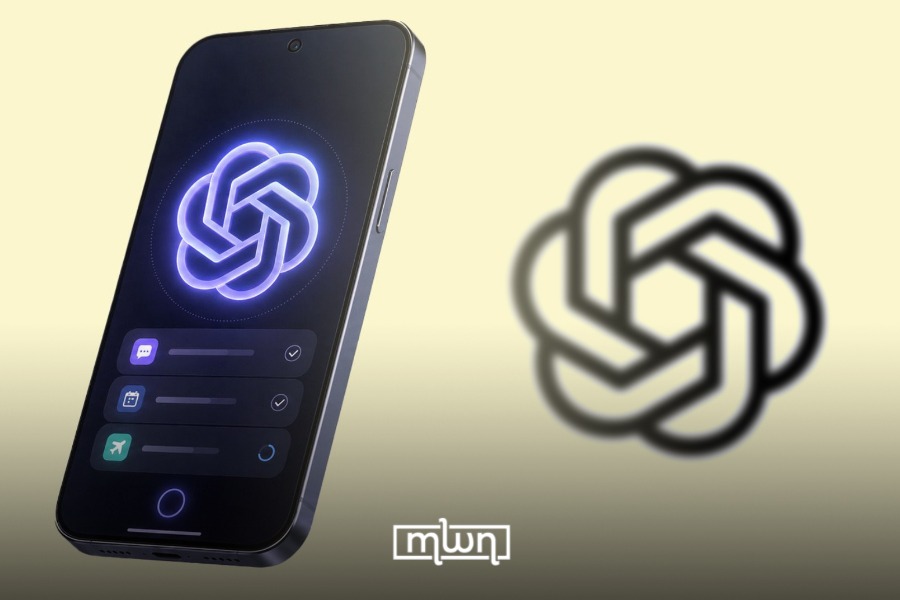
Fez – In a bold shift from its traditional software services, OpenAI is reportedly moving closer to the launch of its own smartphone, signaling a significant entry into the consumer hardware market. According to Al Jazeera, the tech giant is collaborating with major chipmakers like Qualcomm and MediaTek, alongside manufacturing partner Luxshare, to create a new generation of AI-powered devices.
This initiative reflects OpenAI's growing ambition to not only expand its technological footprint but also to build a proprietary hardware ecosystem that brings its cutting-edge technology directly to users. Unlike existing models that rely heavily on applications or web platforms, OpenAI is exploring a model that incorporates a fully embedded artificial intelligence-based operating system.
At the core of this planned smartphone is a reimagined user experience. Users would interact with an AI agent capable of executing tasks directly, from browsing services to making purchases and managing daily needs, thereby eliminating the need to switch between multiple applications. This vision points to a future where apps may no longer dominate the smartphone experience.
This approach stands in stark contrast to current smartphone ecosystems controlled by companies such as Apple and Google, where AI tools typically operate within stringent permission frameworks. OpenAI aims to grant its AI agents broader access to device functions, allowing for a deeper and more seamless integration of technology into daily life.
Additionally, OpenAI plans to develop a comprehensive technology stack for the device, encompassing hardware design, the operating system, and custom chips, mirroring Apple's vertically integrated strategy. Reports also suggest that the company is collaborating with renowned designer Jony Ive, known for his pivotal role in shaping the iPhone, adding substantial credibility to the design ambitions of this project.
Market reactions have been noteworthy. Stocks for Qualcomm surged following news of the partnership, demonstrating a strong investor interest in OpenAI's hardware initiative. As for the timeline, OpenAI is indicating that it may unveil its first consumer device in the second half of 2026. Other projections suggest that mass production could begin as early as 2028.
This move comes amid broader changes within OpenAI, including a transition towards a more profit-driven structure and the expansion of its partnerships beyond traditional alliances with Microsoft. The company is also forging new ties with Amazon, signaling a strategic shift that could further shape the landscape of AI and consumer technology.
By entering the hardware market, OpenAI is positioning itself to become increasingly relevant to end users, aiming to play a central role in what many believe will be the next phase of AI-driven technology. The implications of this shift could be far-reaching, not only affecting how individuals interact with technology but also altering competitive dynamics in the tech industry.
As the tech world watches closely, OpenAI's ambitious endeavor may redefine user experiences in ways that traditional smartphone paradigms have yet to explore. In this evolving landscape, the intersection of hardware and artificial intelligence could very well shape the future of personal computing.
You Won't Believe the SHOCKING Reason Iran is Coming to the US for the World Cup—Find Out Now!

NYSTRS Just Bet €200M on Aermont's Risky Move—Will It Pay Off or Sink Them?

Aurora Innovation Soars! What Hirschbach's 500-Truck Plan Means for Your Investments Today!

Bryce Boettcher's Stunning Revelations About Dillon Thieneman: What He Said Will Shock You!

You Won't Believe What Happens When 200 Artists Take on the Walls of Two Downtown Galleries!

LAPD's Shocking Reversal: Did 'SNL' Writer Jimmy Fowlie's Sister Vanish Under Mysterious Circumstances?
You might also like: