
One Shot, Double Protection? Discover the Shocking Truth About the HPV Vaccine NOW!

January 13, 2026
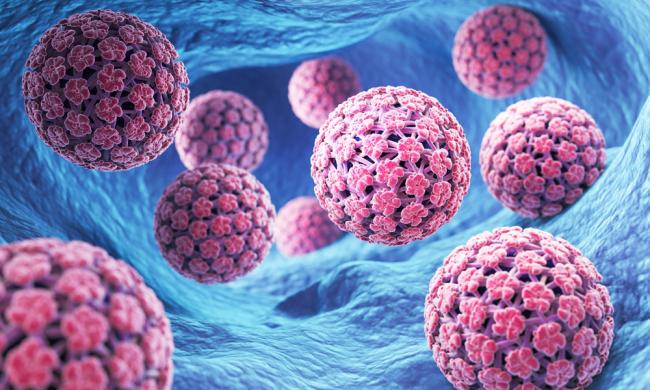
A groundbreaking study has revealed that a single dose of the human papillomavirus (HPV) vaccine offers protection comparable to the standard two-dose regimen, marking a significant potential shift in public health strategy. This research suggests that simplifying vaccination protocols could enhance HPV prevention efforts, particularly against cervical cancer, which claims approximately 250,000 women’s lives globally each year.
HPV stands as the most prevalent sexually transmitted infection in the United States, and its cancer-causing strains can lead to various cancers, including cervical, oropharyngeal, vulvar, vaginal, penile, and anal cancers. Additionally, some varieties of HPV cause genital warts. While vaccination is known to be an effective preventive measure against these cancers, access to HPV vaccines remains alarmingly low worldwide, with fewer than 30% of adolescent girls vaccinated.
The current standard protocol for administering the HPV vaccine consists of two doses. However, evidence suggesting that a single dose could provide adequate protection has been mounting. The World Health Organization (WHO) has recommended a single-dose regimen since 2022, particularly in situations where receiving multiple doses is impractical. Yet, until now, there has been no direct comparison of the effectiveness between one and two doses in a controlled study.
This latest clinical trial, funded by the National Institutes of Health (NIH) and led by Dr. Aimée Kreimer at NIH’s National Cancer Institute and Dr. Carolina Porras from the Agencia Costarricense de Investigaciones Biomédicas, aimed to fill this gap. Over 20,000 girls aged 12 to 16 participated in the trial conducted in Costa Rica between November 2017 and February 2020. Researchers also surveyed over 3,000 unvaccinated women and girls to assess the prevalence of HPV among those not vaccinated.
In this comprehensive study, participants were randomly assigned to receive either one dose of a bivalent or a nonavalent HPV vaccine. The bivalent vaccine focuses on two HPV types—HPV16 and HPV18—that account for over 77% of cervical cancer cases worldwide, while the nonavalent vaccine targets the same two types plus five additional cancer-causing strains and two types that lead to genital warts. Six months after the initial dose, half of the participants received a second dose, while the other half received a control vaccine against tetanus, diphtheria, and pertussis. For the next five years, girls aged 15 and older were monitored for new HPV infections every six months.
The study found that for both vaccines, a single dose provided protection against persistent cervical HPV infections. This level of protection was statistically comparable to that offered by two doses. Persistent infections were defined as those lasting at least six months, covering two consecutive follow-up visits. By comparing infection rates in both the survey and trial groups, the research team determined that both vaccine dose combinations were at least 97% effective in preventing persistent infections of HPV16 and HPV18.
“The findings suggest that a single dose of either HPV vaccine will provide adequate protection against HPV infection and subsequent cervical cancers as effectively as two doses,” stated Dr. Kreimer.
The implications of these findings could be transformative. If a single-dose regimen becomes the new standard, it could significantly improve vaccination rates, particularly in low-resource settings where healthcare access is limited. The streamlined approach could alleviate logistical burdens and ultimately save more lives by reducing the incidence of HPV-related cancers.
As this research makes waves in the medical community, it brings to light the urgent need for public health initiatives to increase awareness and access to HPV vaccinations. This study not only highlights the importance of vaccination as a preventive measure but also emphasizes the potential for a paradigm shift in cancer prevention strategies worldwide.
With the backing of prominent organizations like the NIH and the Gates Foundation, the hope is that these findings will lead to more effective public health policies and a broader reach of HPV vaccinations, potentially saving countless lives in the future.
You Won’t Believe What Judge Just Did to Trump’s Bid Against Whistleblower Lawyer!

You Won’t Believe Which 5 College Football Stars Played for Two Teams in the National Championship!

Pediatricians vs. RFK Jr.: Why This Vaccine Battle Could Change Your Child's Future Forever!

Pemberton and Advisory Realty’s Shocking Merger: What This Means for Minnesota’s Real Estate Market!

You Won't Believe What Anchorage Assembly Candidates Are Hiding — Will Your Vote Matter in 2026?
Buncombe County's Shocking Vaccine Rates: Are Your Kids at Risk for Measles? Find Out Now!
You might also like: