
Obesity Rates Soar: Are Ultra-Processed Foods Secretly Sabotaging Your Health? Shocking Data Inside!

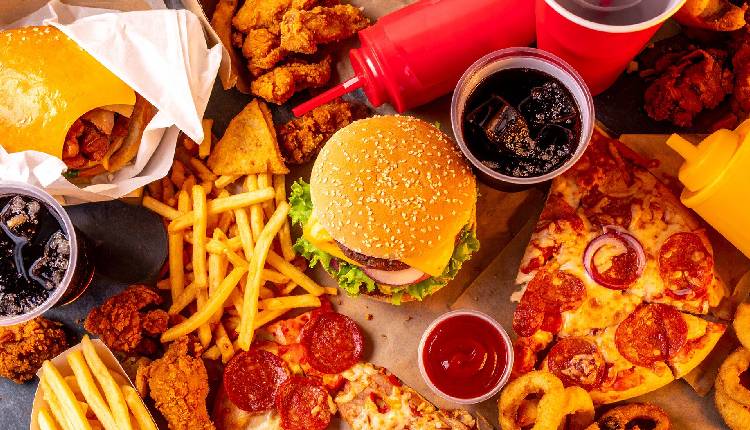
New Delhi: The rising tide of obesity is becoming a critical public health challenge in India, as highlighted in the Economic Survey for 2025-26, presented in Parliament by Union Finance Minister Nirmala Sitharaman. The survey points to a concerning trend fueled by unhealthy diets, sedentary lifestyles, and an increasing reliance on ultra-processed foods (UPFs), compounded by various environmental factors.
Obesity is not selective; it affects individuals across all age groups, heightening the risks of non-communicable diseases (NCDs) like diabetes, heart disease, and hypertension. The trend is evident in both urban and rural populations. Data from the 2019-21 National Family Health Survey (NFHS) reveals that 24% of Indian women and 23% of men are classified as overweight or obese. Among women aged 15-49 years, obesity rates stand at 6.4%, while 4.0% of men in the same age group are obese. Alarmingly, the prevalence of excess weight among children under five has increased from 2.1% in 2015-16 to 3.4% in 2019-21.
By 2020, more than 3.3 crore (33 million) children in India were categorized as obese, with projections estimating this figure could rise to 8.3 crore (83 million) by 2035. Such trends indicate a growing public health crisis that demands urgent attention.
The Economic Survey also emphasizes the explosive growth of the UPF market in India, which has dramatically shifted dietary habits and worsened the overall quality of nutrition. From 2009 to 2023, the UPF market grew by more than 150%. Retail sales of UPFs escalated from $0.9 billion in 2006 to nearly $38 billion in 2019, marking a staggering 40-fold increase. This sharp uptick coincided with nearly doubling obesity rates in both men and women, paralleling global obesity trends driven by similar dietary transitions.
The economic repercussions are significant, with rising healthcare costs, lost productivity, and long-term fiscal strains attributed to the increasing prevalence of obesity and associated health complications. The survey warns that the growing consumption of UPFs poses substantial burdens not only on individuals but also on the national healthcare system.
In response to this alarming trend, the Indian government has initiated a variety of comprehensive programs aimed at preventing and managing obesity. The interventions include initiatives such as the POSHAN Abhiyaan and Poshan 2.0, the Fit India Movement, Khelo India, and the Eat Right India campaign, alongside a nationwide awareness initiative titled “Aaj Se Thoda Kam,” and the School Health Programme promoting yoga.
These initiatives underscore a holistic approach to tackle obesity, integrating health, nutrition, physical activity, food safety, and lifestyle modifications. The goal is clear: to create a healthier, stronger, and obesity-free India.
The challenge of rising obesity rates in India is not merely a health issue but a multifaceted societal concern that intertwines with economic, cultural, and environmental factors. As the nation grapples with these realities, the importance of informed dietary choices and lifestyle changes becomes increasingly paramount for the well-being of individuals and the public health system as a whole.
Last-Minute Drama: How Poly's Shocking Goal Stunned Wilson and Changed the Game Forever!

Why Japan's Nikkei Soared Overnight: Apple's Shocking Earnings Could Change Everything!

5 UK Penny Stocks Set to Explode in January 2026—You Won't Believe #3! Are You Ready to Miss Out?

You Won’t Believe How Limy’s $10 Million Funding Could Change Retail Forever!

Curry's Shocking Move: What His No. 19 Scoring Rank Means for His Legacy—Don't Miss This!

$68 Million Settlement Exposes Shocking Truth About Your Smartphone—Are You Affected?
You might also like: