NYC Mayor Mamdani's Shocking Plan: 35% Tax Hike on Empty Luxury Homes—Is Yours Next?

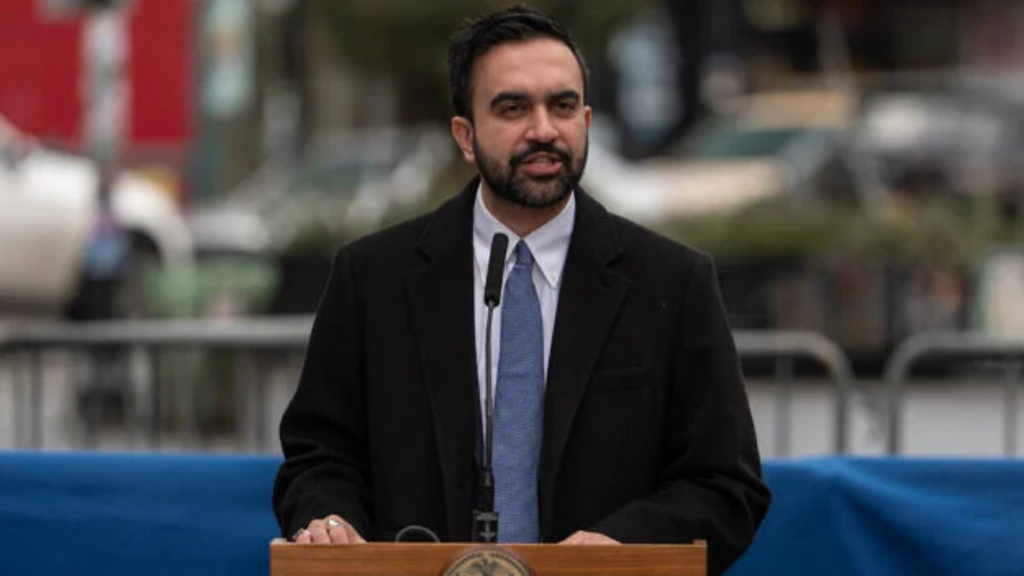
In a bold move that has already sparked significant debate, New York City Mayor Zohran Mamdani has proposed a new tax targeting luxury secondary residences valued at over $5 million. This initiative aims to tap into the city's concentration of unoccupied luxury wealth, with projections estimating that it could generate around $500 million annually for the municipal budget.
Mamdani has made it clear that this tax is specifically aimed at the ultra-rich, citing high-profile properties such as billionaire Ken Griffin's $238 million Midtown penthouse and Alexander Varshavsky's $20.5 million residence near Columbus Circle as examples. However, the city has not yet finalized specific criteria for evaluating properties or the methods for distinguishing between primary and secondary homes, adding a layer of uncertainty to the proposal.
The measure has not gone unchallenged. Prominent billionaire investor Bill Ackman has vocally criticized the policy, arguing that owners of luxury secondary residences already contribute significantly to the local economy without heavily utilizing municipal services. He warns that the tax could provoke a mass exodus of corporations and high-net-worth individuals to lower-tax jurisdictions, such as Miami, ultimately eroding New York's tax base.
Former President Donald Trump has also weighed in, denouncing the policy as "totally misguided" and claiming it is "destroying New York." Given Trump's extensive real estate holdings in the city, his opposition seems personal as well as political. He argues that such a tax would deter international investors, who play a crucial role in fueling New York's real estate development.
Implementation of this tax poses its own challenges. It could potentially affect nearly 13,000 property owners, including high-profile individuals like Jeff Bezos. Financial analysts note that many of New York's most expensive properties are owned through complex offshore structures and shell companies. This complicates the identification and appraisal process, raising questions about how effective the tax can be in practice.
As the debate escalates, the Mamdani administration faces the difficult task of balancing its "tax the rich" mandate with the realities of New York's competitive global real estate market. The challenges ahead are multifaceted: from public opinion and potential legal hurdles to the logistical difficulties of implementation, the path forward is fraught with obstacles.
As New Yorkers, both wealthy and otherwise, watch this situation unfold, the implications of such a tax extend beyond economic considerations. They touch upon broader questions of equity, community investment, and the future shape of the city itself. The outcome of this proposed tax could redefine what it means to live and invest in New York City, making it a story that resonates across various sectors of society.
Tucker Carlson's Son Ditches JD Vance — What Trump's Shocking Attack Means for Their Futures!

You Won't Believe What Happens When Luke Raley Hits His Stride—Is Your Team Ready for This?

You Won't Believe What Happened When 36,000 People Quit Facebook for Just 6 Weeks!

Graham Stephan's Shocking Advice on Retirement as S&P 500 Hits Record Highs—Are You Prepared?
Bruce Blakeman's Radical 100-Day Plan: Can He Really Slash Taxes and Restore Law and Order in NY?

Bitcoin's Shocking 2.43% Difficulty Drop: Is a 13.65% Hashprice Surge Hiding Something Bigger?
You might also like: