
North Dakota's $200M Health Grant: Are You Missing Out on Life-Saving Funds?

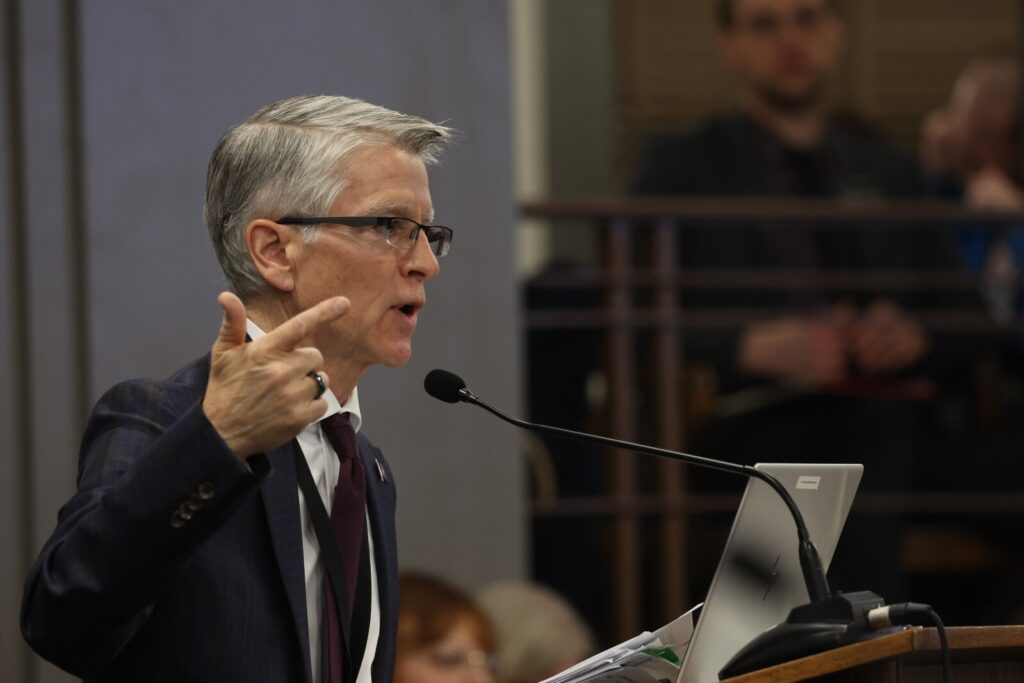
BISMARCK — North Dakota is poised to distribute nearly $200 million in federal Rural Health Transformation grants, a significant funding boost aimed at enhancing the state's health care sector. Pat Traynor, the state’s interim commissioner of Health and Human Services, anticipates that the first round of grants will be awarded by mid-March, focusing primarily on workforce retention.
“Workforce is paramount,” Traynor stated. “You can’t have health care without having a strong workforce.”
The funding comes from the U.S. Centers for Medicare and Medicaid Services (CMS), which awarded North Dakota $198.9 million as part of a broader initiative under President Donald Trump’s One Big Beautiful Bill for rural health improvements nationwide. This substantial grant is part of a $50 billion package designed to uplift rural health systems across the United States.
In preparation for these funds, North Dakota Governor Kelly Armstrong convened a three-day special session in late January, allowing the state Legislature to vote on several bills necessary for accepting the federal funds. House Bill 1623 specifically authorizes the North Dakota Department of Health and Human Services to allocate $397.9 million over the next two years, with additional funding for 2027 expected to be announced in August, according to Traynor.
Interestingly, North Dakota received the highest Rural Health Transformation funds on a per capita basis in the first round, amounting to approximately $250 per resident. For comparison, Minnesota received $193 million or $33 per resident, while South Dakota was awarded $189.5 million, translating to $205 per resident, as indicated by the CMS data.
While the state must allocate the funds by October 31, Traynor has indicated a self-imposed deadline of September 30 to expedite the process. The primary focus will be on retention strategies that prevent health care professionals from moving around the state, targeting hard-to-fill positions for five years.
To ensure broad awareness and participation, Health and Human Services plans to host several forums in rural areas. Traynor emphasizes the importance of making the grant application process as accessible as possible, stating,
“We don’t want anyone in a rural area to feel like this is too difficult to navigate.”
According to preliminary estimates, approximately 58% of the funds will be allocated to initiatives that allow rural residents to seek care closer to home. The remainder will focus on connecting technology and data across the state (17%), workforce recruitment and retention (16%), and a campaign dubbed “Make North Dakota Health Again” (9%).
The state plans to distribute these grants in phases over the next six months, and Health and Human Services will use a portion of the funds to hire Rural Health Transformation managers, coordinators, data analysts, and other key positions necessary for managing the grant programs. To better understand the specific needs of rural health care facilities, Traynor’s department has commissioned a survey from the Center for Rural Health at the University of North Dakota.
“We really want to move the needle on the health and well-being of the citizens in the rural area,” Traynor said. “We want to move the needle on the workforce within the rural areas with health care providers.”
Additionally, the department is collaborating with the UND Medical School to establish an internal medicine residency program. North Dakota State University will also play a crucial role in promoting preventative health care strategies, focusing on better nutrition and encouraging physical activity to combat the sedentary lifestyles that contribute to chronic health conditions.
Traynor highlighted the significance of these initiatives, noting,
“That is the magic bullet to reducing chronic disease in the state, which makes up 70% to 85% of the health care costs in the whole system, the dramatic trend that’s not good with chronic disease.”
As North Dakota embarks on this transformative journey, the successful allocation and management of these funds may well set a precedent for rural health initiatives across the nation, aiming not just to address immediate needs but to foster a more sustainable health care ecosystem for years to come.
9 Shocking Words You're Probably Using Wrong—Find Out Which Ones Could Ruin Your Reputation!

You Won't Believe How Plant-Based Snacks Will Dominate the Market by 2025—Are You Prepared?
Your Browser is at Risk: 7 Shocking Reasons You MUST Upgrade NOW or Lose Everything!

Lakers Rookie Shocks Fans with Jaw-Dropping 30-Point Performance—Is He the Future Star?

Pregnant Women: The Shocking Truth About Body Image That Could Ruin Your Mental Health!

This Startup Just Secured €3.6M—Is the Future of Maritime Tech About to Change Forever?
You might also like: