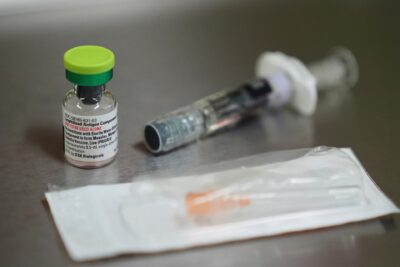
Nipah Virus Crisis: Could India's Containment Efforts Spark a Deadly Outbreak Across Asia?

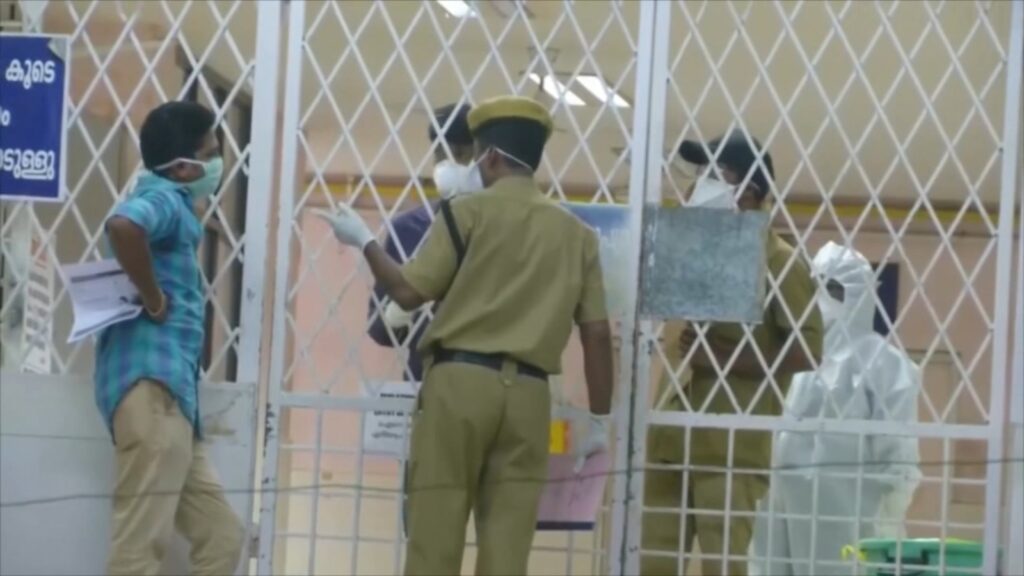
NEW DELHI -- Indian authorities have stated that they have successfully contained a Nipah virus outbreak after confirming two cases in the eastern state of West Bengal. In response, several Asian countries have heightened health screenings and airport surveillance for travelers arriving from India.
On Tuesday, India’s Health Ministry announced that the two confirmed Nipah cases had been detected since December. All identified contacts of the patients have been quarantined and tested, with 196 contacts traced and all testing negative. The ministry assured the public that "the situation is under constant monitoring, and all necessary public health measures are in place."
Nipah is a zoonotic virus first identified during an outbreak in Malaysia in the 1990s. It primarily spreads through fruit bats, pigs, and human-to-human contact. There is currently no vaccine for Nipah, which can lead to severe symptoms including high fevers, convulsions, and vomiting. The virus has a staggering estimated fatality rate of between 40% and 75%, according to the World Health Organization (WHO), making it significantly deadlier than the coronavirus.
While there have been no reported cases of Nipah outside India, several nations in Asia have proactively increased screening measures at airports. Early media reports from India suggested a possible surge in cases, but health authorities have labeled those numbers as "speculative and incorrect."
Countries like Indonesia and Thailand have ramped up their airport screenings, implementing health declarations, temperature checks, and visual monitoring for arriving passengers. Thailand's Department of Disease Control has specifically installed thermal scanners at arrival gates for direct flights from West Bengal at Bangkok's Suvarnabhumi Airport.
In a precautionary measure, Myanmar's Health Ministry has advised against nonessential travel to West Bengal and recommended that travelers seek immediate medical care if symptoms develop within 14 days of travel. They have also intensified fever surveillance at airports, a measure first established during the COVID-19 pandemic, and prepared laboratory testing capacity and medical supplies.
Meanwhile, Vietnam's Health Ministry has urged strict food safety practices and directed local authorities to enhance monitoring at border crossings, health facilities, and communities. China is also taking steps to strengthen disease prevention measures in border areas, with health authorities beginning risk assessments, enhancing training for medical staff, and increasing monitoring and testing capabilities.
This recent outbreak is not the first for West Bengal; previous Nipah outbreaks occurred in 2001 and 2007. More recently, cases have been documented in southern Kerala, where a significant outbreak in 2018 resulted in at least 17 fatalities.
As Nipah virus continues to pose a public health risk, the proactive measures by Indian and neighboring countries reflect a heightened awareness of the virus's potential impact on health security in the region. With no vaccine available, the effective management of contacts and travelers remains crucial in preventing further spread.
Spain’s Shocking Vaccine Scandal: 253 Kids Given Expired Shots – What’s the Fallout?

Harry Styles Fans Outraged: $500 Tickets for ‘Together, Together’ Tour? Here’s Why They’re Fuming!

Fred Warner's Shocking Prediction for NFC West: Is His Team in Big Trouble? Find Out NOW!

Penn's Shocking NCAA Transfer Exodus: 4 Key Players Ditch the Team—What’s Next for the Quakers?

San Jose's Mayor Matt Mahan Makes a SHOCKING Move: Is He the Next California Governor? What Happens Next Will Shock You!
You won't believe which unexpected player made the NAIA Football Academic All-America First Team! Discover the shocking details!
You might also like: