
Nikkei 225 Soars to All-Time High—Is a Shocking Snap Election About to Rock Japan?

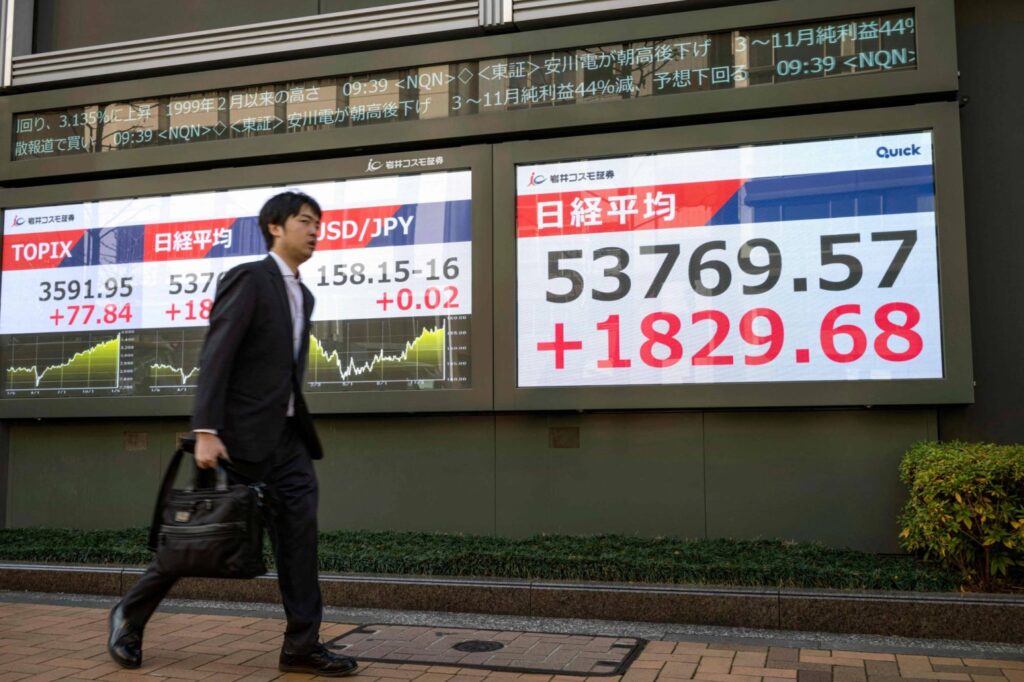
Tokyo's financial landscape witnessed a significant surge as the Nikkei 225 stock index opened above 53,000 for the first time, hitting a new record at 53,814.79 just ten minutes after trading commenced on Tuesday. This remarkable rise follows unconfirmed reports suggesting that Prime Minister Sanae Takaichi may dissolve the Lower House of Parliament, potentially leading to a snap election as early as February. The anticipation surrounding this political maneuver has sparked investor optimism, driving index futures up over the recent three-day holiday weekend.
As Japan's first female prime minister, Takaichi is a proponent of expansionary fiscal policies, which aim to stimulate economic growth through government spending. Her administration currently enjoys a high approval rating, and a successful snap election could bolster her political capital, allowing her greater leeway in governance. This combination of political stability and favorable economic policies has been attractive to investors, as reflected in the Nikkei's robust performance.
However, the market also reacted to these developments with caution in some areas. The yield on 10-year Japanese government bonds increased to 2.135%, indicating a rise in borrowing costs as investors adjust their expectations amidst political uncertainty. Concurrently, the Japanese yen weakened, moving into the ¥158-to-the-dollar range, which raises concerns about currency stability and international trade dynamics.
In discussions with U.S. Treasury Secretary Scott Bessent in Washington over the weekend, Satsuki Katayama, Japan's Finance Minister, expressed her concerns about "one-sided yen moves." She noted that Bessent shared her apprehension, highlighting a mutual understanding of the potential implications of currency fluctuations. Katayama previously signaled the possibility of currency intervention, stating that Japanese financial authorities have a “free hand” to act against excessive moves in the yen's value.
The potential political shift in Japan comes at a critical juncture, as the nation grapples with the ongoing effects of global economic pressures and supply chain disruptions. Analysts suggest that a snap election, if called, could serve as a referendum on Takaichi's policies and the overall direction of Japan's economic strategy in the post-pandemic world. The implications of these developments extend beyond Japan, impacting international markets and economic relations, particularly with the United States.
As investors and policymakers monitor the situation closely, the dynamics at play present both opportunities and challenges. The performance of the Nikkei 225 may serve as a barometer for broader investor sentiment, reflecting confidence or anxiety regarding Japan's political climate. In a rapidly evolving global market, the intersection of politics and finance remains a critical area of focus for both domestic and international stakeholders.
XRP Plummets Again! Shocking Market Bill Delay Could Cost You Thousands—Find Out Why!

Florida's GOP Primary Just Exploded: Lt. Gov. Jay Collins Joins Race—What Happens Next Will Shock You!

Shocking Twist: Why Lehigh Valley's Julian Guridy Dropped Out of the Race—You Won't Believe the Reason!

You Won't Believe What Trump's Housing Plan Ignores—The Shocking Truth Exposed!

iPhone Takes Down Samsung: What Shocking Move Did Apple Make to Snatch the #1 Spot?
OpenAI's Surprising Move: How Acquiring Torch Could Transform ChatGPT's Health Features—Find Out Why!
You might also like: