
NASA's Shocking Smartphone Experiment: Will Our Future in Space Be Controlled by Your Phone?

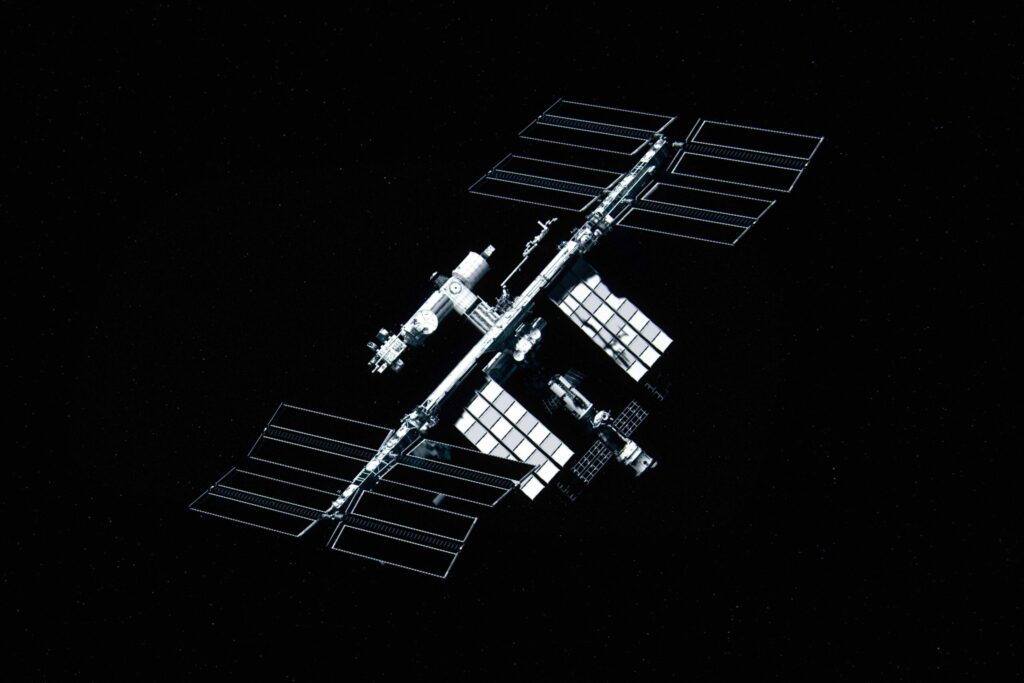
NASA's recent announcement allowing astronauts to bring modern smartphones into space has sparked initial reactions filled with humor—think zero-gravity selfies and potential "space TikToks." However, underneath the lightheartedness lies a significant shift in space agency practices, reflecting evolving attitudes toward technology, cost, and the tools deemed suitable for real missions.
Starting with the Crew-12 mission to the International Space Station (ISS) and extending to the Artemis II lunar flyby mission, astronauts will now have the option to take both iPhone and Android devices on missions that were previously restricted to highly specialized equipment. This move, as explained by NASA Administrator Jared Isaacman, not only provides astronauts with better tools for capturing and sharing their experiences but also marks a broader change in how consumer technology is integrated into spaceflight systems.
📰 Table of Contents
From Specialty Hardware to Consumer Off-the-Shelf
Traditionally, space agencies have approached hardware with immense caution. Electronics sent beyond Earth must undergo rigorous testing for radiation tolerance, vacuum performance, thermal extremes, and electromagnetic interference—conditions far more severe than those typical for consumer electronics. NASA’s decision to allow modern smartphones in space, however, indicates a reassessment of these long-held assumptions. This is reminiscent of the past belief that switching on a cell phone during a flight might cause an aircraft to malfunction.
This isn't NASA's first foray into using mobile devices in space. In 2013, NASA launched a series of PhoneSats—nanosatellites primarily built around off-the-shelf smartphones—to orbit and transmit data. These missions demonstrated that commercial smartphones could effectively serve as the "brain" for a cube satellite, doing so at a fraction of the cost of traditional spacecraft electronics. The PhoneSat successes continue to influence how NASA and other space organizations approach low-cost systems today, showing that modern smartphones, with their powerful CPUs, high-resolution cameras, and multiple sensors, can replace expensive, bespoke hardware.
Practical Innovation Meets Cultural Relevance
While smartphones won’t handle mission-critical life-support or navigation functions just yet, their inclusion signifies two major trends.
Affordable, Flexible Tooling
Modern smartphones present capabilities capable of augmenting traditional space equipment without significant costs or engineering overhead. Although NASA already provides astronauts with high-quality cameras and tablets, smartphones can enable rapid imaging and data capture, enhancing the ability to seize fleeting observational moments—critical in space exploration.
Normalizing Space Technology
The cultural implications of allowing smartphones in space extend beyond technology. These devices are the world's most ubiquitous computing tools, representing accessibility and a shared human experience. By enabling astronauts to carry smartphones, NASA bridges the gap between elite space exploration and everyday tech use. This shift sends a strong signal that space missions are not merely engineering feats but rather human endeavors that can engage broader audiences, making the narratives surrounding space exploration more relatable than ever.
For a generation familiar with smartphone photography and video, witnessing these devices in extraordinary contexts may inspire deeper interest in science and innovation, possibly driving future talent toward space technology fields.
What Could This Mean for Startups and Commercial Space?
The implications of NASA’s smartphone experiment extend beyond eye-catching visuals. It could reshape the landscape for the tech and startup community.
Reduced Barriers to Entry
If consumer hardware can perform reliably in orbital environments, as past PhoneSat missions have suggested, startups may find it easier to build and test spacecraft systems affordably. Access to cheaper off-the-shelf components facilitates prototyping and iteration without the need for multi-million-dollar budgets.
A New Approach to Certification
NASA’s decision to qualify commercial smartphones through an expedited process is noteworthy, as traditional aerospace hardware qualification is typically lengthy and resource-intensive. Successfully incorporating modern devices into space missions may encourage both public and private sectors to rethink rigid certification pipelines, lowering the technical and procedural hurdles for newcomers.
Expanded Data Capabilities
The onboard sensors and cameras of smartphones could also enhance future scientific and operational tasks. While they may not replace dedicated instruments, they can complement existing payloads in small spacecraft designs or function as flexible modules in missions where cost and weight are critical constraints.
Characterizing NASA’s smartphone integration as merely a clever public relations move would be a misstep. While captivating visuals for global audiences hold value, the real story is far more nuanced. This initiative reflects a shift in thinking that aligns with broader technological trends: leveraging commercial hardware, embracing iterative innovation, and merging specialized systems with familiar consumer products.
As startups increasingly become involved in space ventures, this approach resonates with a transition toward agile, cost-effective, and open technology ecosystems—where innovation thrives not only on significant funding but also on creativity and resourcefulness. The presence of smartphones in space may appear symbolic, yet it highlights the evolution of space technology and hints at the exciting directions it might take in the future.
Is Your Browser Putting You at Risk? Discover the Shocking Truth Before It's Too Late!
JJ Redick Drops a Bombshell on Lakers' Trade: Is This Move a Game-Changer or a Total Bust?

Gary Vee's Shocking Secrets to Success: 5 Strategies That Could Make You a Millionaire Overnight!

You Won't Believe How This $60 Million Investment Is Changing Women's Soccer Forever!

Karoline Leavitt Drops BOMBSHELL at White House Briefing – You Won't Believe What She Revealed!

Luka Dončić's SHOCKING Injury: What Happens Next Against Lakers Could CHANGE Everything!
You might also like: