
NASA's Shocking New Rule: Astronauts Can Now Bring Smartphones to Space—What Will They Share First?

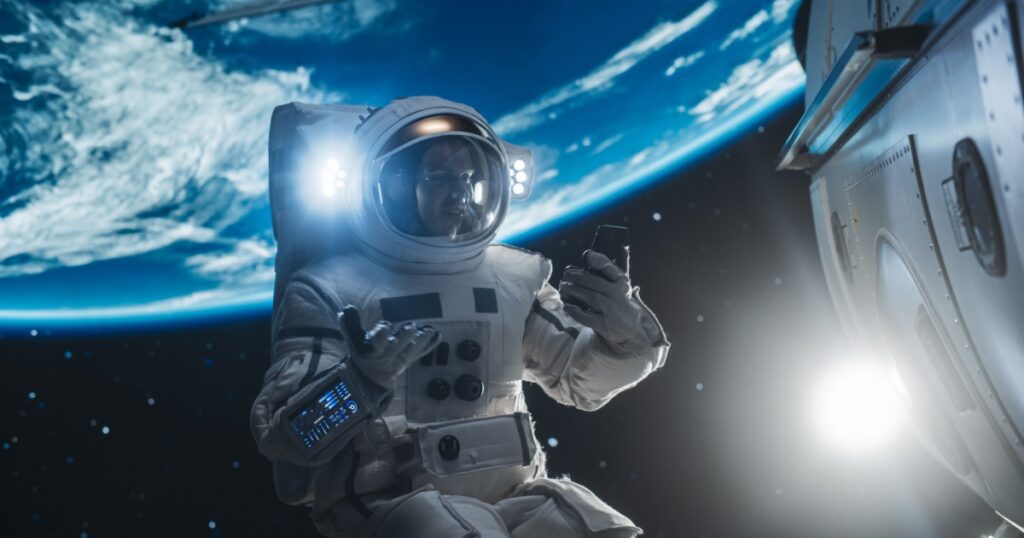
Imagine being an astronaut, soaring through space, and having the ability to connect with loved ones back on Earth in real-time. For years, astronauts managed with limited communication tools, but a new policy from NASA is set to revolutionize their experience. Starting with the upcoming Artemis II mission, astronauts will be allowed to bring smartphones aboard, significantly enhancing their ability to communicate and share their extraordinary experiences.
Historically, astronauts have endured long stretches of isolation, relying on outdated communication systems. In the early days of space exploration, contact with mission control was constrained by the physical limitations of antennas on the ground. As a result, communication was possible for only 15 minutes every hour and a half—a far cry from the seamless connectivity we take for granted today. NASA outlines this limitation succinctly: “Before the Space Network, NASA astronauts and spacecraft could only communicate with the support team on Earth when they were in view of an antenna on the ground.” This challenge impacted not only the astronauts but also the families and friends eagerly awaiting news from the cosmos.
The advent of the Space Network marked a turning point, allowing for nearly continuous communication via satellites. This leap in technology has greatly reduced stress for both astronauts and mission control, enhancing safety and operational efficiency. As NASA Administrator Jared Isaacman noted, “NASA astronauts will soon fly with the latest smartphones, beginning with Crew-12 and Artemis II. We are giving our crews the tools to capture special moments for their families and share inspiring images and videos with the world.”
However, it remains unclear what “the latest smartphones” specifically entails. Will astronauts have the freedom to choose any model, or has NASA forged a partnership with specific manufacturers like Samsung? Only time will tell how this aspect unfolds.
The policy shift comes as a response to long-standing certification processes that have traditionally delayed the approval of new technologies for space missions. Isaacman explained, “Just as important, we challenged long-standing processes and qualified modern hardware for spaceflight on an expedited timeline.” This change not only benefits astronauts by allowing them to stay in closer contact with family but also promotes increased scientific experimentation during missions.
The reduction in costs associated with space travel, largely due to the advancements made by companies like SpaceX, has further opened the door for this policy change. With reusable rocket technology significantly lowering launch expenses, NASA can afford to be more flexible when it comes to weight restrictions and equipment approval.
As a result, we can anticipate a new era of space exploration where astronauts document their journeys through stunning photographs and videos shared in real-time. This level of connectivity will not only enrich the astronauts’ experiences but also engage the public in ways never before possible. The emotional connection forged through these communications can provide invaluable support to astronauts during their missions, allowing them to feel less isolated and more connected to life back on Earth.
As we look ahead to the Artemis II mission and future expeditions, the inclusion of smartphones is a small yet significant step toward making space travel more humanized. For astronauts, the ability to share their extraordinary journey could inspire a new generation of space enthusiasts while fostering a deeper understanding of the challenges and triumphs of living and working in space. If you thought this development was fascinating, you might also be intrigued by the recent discoveries surrounding mysterious “pyramids” in Antarctica. What secrets do they hold?
Providence Customers in Health Insurance Chaos: 80% Could Lose Coverage—Are You One of Them?

Parents Are Skipping More Than Just Vaccines—Shocking Stats Reveal 70% Avoiding Vital Newborn Care!

Bitcoin Crashes While SIREN Skyrockets 300%—Are You Missing Out on This Explosive Trend?

Could France’s Municipal Elections Spell Disaster for the Far-Right Ahead of 2027? Shocking Predictions Inside!

Jon Jones Shocks Fans: UFC Refuses $15 Million for White House Showdown—What Happens Next?

Valerie Cherish’s Shocking Return: Can 'The Comeback' Survive a 10-Year Hiatus? Find Out Now!
You might also like: