
N.H. Lawmakers on Verge of Shocking Decision: Could This Hepatitis B Move Endanger Thousands?

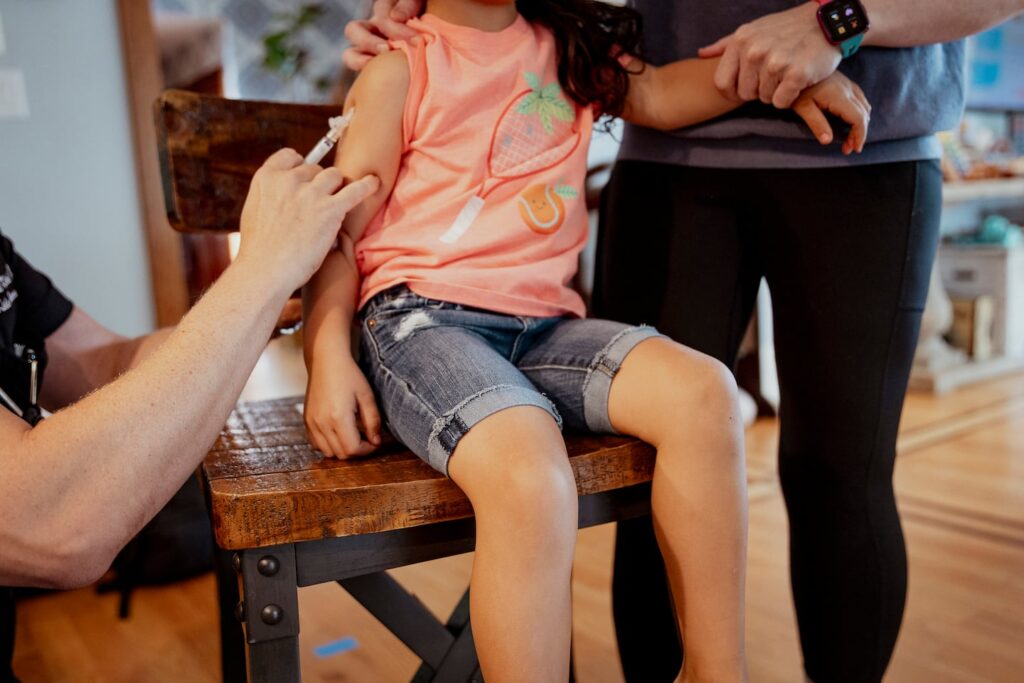
In a significant move that could reshape childhood vaccination policies, New Hampshire lawmakers have advanced a proposal to remove the state’s requirement for children to be vaccinated against hepatitis B. On Thursday, the Republican-backed initiative, known as House Bill 1719, passed the House of Representatives by a narrow 186 to 168 vote. Notably, ten Republicans joined Democrats in opposing the bill, while one Democrat, who recently switched party affiliations to Republican, voted in favor.
Currently, state law mandates that children receive a series of vaccines to attend school or childcare facilities. This list includes essential vaccines for diseases such as diphtheria, mumps, pertussis, poliomyelitis, rubella, rubeola, tetanus, varicella, hepatitis B, and Haemophilus influenzae type B. The proposed legislation would eliminate the hepatitis B vaccine requirement from this list.
Hepatitis B is a serious liver infection that can lead to complications like liver disease and cancer. While many adults recover completely from the virus, infants and children are at a higher risk of developing chronic infections, according to the Mayo Clinic. The hepatitis B vaccine is crucial in preventing such infections, especially considering that the disease is transmitted primarily through blood exposure, sexual contact, or from an infected mother during childbirth.
This legislative debate comes in the wake of federal changes to childhood vaccination recommendations made in January. The Advisory Committee on Immunization Practices, which advises on US vaccine policy, has shifted its stance, no longer recommending that all infants receive a dose of the hepatitis B vaccine at birth. Despite this change, major medical organizations, including the American Academy of Pediatrics and the American Academy of Family Physicians, continue to advocate for universal vaccination against hepatitis B.
The longstanding vaccination policy has contributed to a staggering 99 percent decline in hepatitis B cases since its implementation. Representative Kelley Potenza, a Rochester Republican and the bill's prime sponsor, argues that eliminating this requirement would align New Hampshire with updated federal recommendations and prevent the state from imposing broader vaccine mandates than those sanctioned at the federal level. “Hepatitis B is not a disease that’s spread through casual childhood contact,” Potenza stated during a January hearing on the bill.
Potenza's position advocates for a more targeted vaccination approach, suggesting that vaccination should remain a strong recommendation for mothers who test positive for hepatitis B, as this represents the “only meaningful risk to a newborn.” However, public health experts and advocates caution that this perspective is flawed. Given the vulnerability of infants' immune systems and the highly infectious nature of hepatitis B, the risk of infection can persist in various environments, including households and daycare settings. A small amount of blood exposure from a scratch or shared hygiene tools can lead to transmission, making the argument for a more targeted approach seem inadequate.
Representative Bill Palmer, a Cornish Democrat, voiced his concerns after the vote, stating, “Eliminating the Hepatitis B vaccine requirement in New Hampshire unnecessarily puts infants at risk and goes against the recommendations of medical professionals, including the New Hampshire state epidemiologist.”
Public health advocates reference historical failures of similar targeted approaches to vaccination, recalling the pre-1991 era when the US struggled with hepatitis B infection rates. Following the introduction of a universal vaccination policy in 1991, cases in children and teenagers dropped dramatically, illustrating the effectiveness of widespread vaccination efforts.
The proposed bill now heads to the House Finance Committee. For it to become law, it must pass the Senate and be signed by the governor. New Hampshire health advocates anticipate challenges in the Senate, as well as potential opposition from the governor's office.
As the debate continues, the implications of this proposal will be critical not only for public health policy in New Hampshire but also for the broader discourse surrounding childhood vaccinations across the United States.
Amanda Gokee can be reached at [email protected]. Follow her @amanda_gokee.
Nikola's SHOCKING NBA Debut: Will He Outshine Giannis and Change the Game Forever?

Vanderbilt's Shocking NIL Overhaul: What Athletes Could Lose—You Won't Believe the Details!

Home Sales Plummet Despite Record Low Rates—Is Your Dream Home Slipping Away? Discover Why!

You Won't Believe What Happens When You Try to Cancel Your Crunch Fitness Membership! 3 Shocking Consequences!

Could 10-Minute Workouts Really Save Your Heart? Experts Reveal Shocking Secrets!

You Won’t Believe That Over 80% of Baby Foods Are Ultra-Processed—What This Means for Your Child’s Health!
You might also like: