
Mumbai Climate Week: Are 10 Million Lives At Risk From Shocking Air Pollution & Heatwaves?

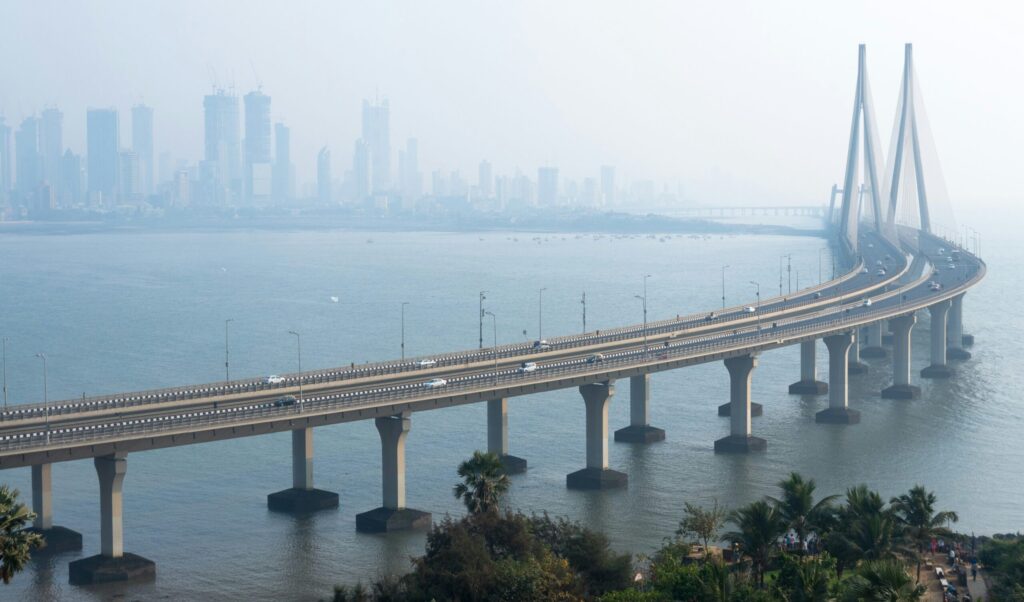
MUMBAI, India – As the global conversation on climate change intensifies, the intersection of air pollution and extreme heat has emerged as a critical area of concern, particularly in climate-vulnerable regions like South Asia. During Mumbai Climate Week (MCW), Dr. Soumya Swaminathan, former chief scientist at the World Health Organization, highlighted the compounded health risks posed by these environmental stressors, noting, “On the days when you have the highest heat and high air pollution, the deaths which occur on those days are three times more than when you have either heat or high air pollution.” Her remarks underscore a pressing reality: the dual threats of rising temperatures and deteriorating air quality are wreaking havoc on public health, especially in densely populated areas like Mumbai.
This inaugural climate week in South East Asia, organized by local non-profit Project Mumbai in collaboration with international partners such as the Clinton Global Initiative, served as a platform to elevate these urgent discussions. Shishir Joshi, CEO of Project Mumbai, emphasized the importance of bringing climate dialogue from developed nations to the Global South, stating that the initiative aimed to empower local voices amidst a backdrop of growing urban challenges—including extreme heat, flooding, and worsening air quality.
The Indian government's participation was notable, particularly with the launch of the 'Be Cool' initiative, which aims to promote cooling solutions across the state’s cities. This collaborative effort aims to address both the environmental urgency and the socio-economic realities faced by outdoor workers, who are disproportionately affected by extreme heat and pollution. Roughly half of India’s workforce—an estimated 231.5 million people—are outdoor laborers, working in agriculture, construction, and delivery services, among other sectors. Dr. Radhika Khosla from the University of Oxford highlighted that many of these workers experience chronic health issues due to prolonged exposure to heat before a medical crisis arises, illustrating the often-invisible toll of climate change on laborers.
Nearly 62% of female workers in India are engaged in agriculture, and a significant number of those not in agriculture are involved in home-based work, including artisanal food production and textile work. Renana Jhabvala, President of SEWA Bharat, indicated that these women also face extreme heat conditions. “Their homes’ roofs are usually aluminum sheets, and the temperatures are almost 8-10°C higher than what it is outside,” she explained, emphasizing that the health and productivity impacts remain largely unrecognized.
Experts at the event called for practical solutions such as cooling paints, low-cost roofing materials, and increased green cover across urban areas to mitigate these effects. The implementation of public water dispensers and toilets was also identified as essential for supporting the health of outdoor workers.
The presence of global North players at MCW, including former U.S. Secretary of State Hillary Clinton, highlighted the need for integrated approaches to climate strategies. Clinton discussed an occupational health insurance initiative being piloted by the Clinton Global Initiative, which compensates outdoor workers for lost workdays due to heat exposure. This initiative has enrolled about 500,000 participants in India, with an emphasis on the intersection of climate, health, and women's rights, especially as women form a significant part of the labor force in sectors most affected by climate change.
However, Clinton also pointed out the difficulties women face in accessing financing for climate solutions, reflecting a broader issue of financial inequality that hampers effective climate action. This sentiment echoed throughout the discussions, with finance being a recurring theme. Panelists emphasized the need for “blended finance” strategies that marry public and private investments in climate projects, noting that traditional funding mechanisms alone cannot adequately address the looming climate crisis.
Despite the challenges, there is optimism surrounding India’s potential for mobilizing climate investments, especially given its attractiveness to international investors. With major international banks such as HSBC and British International Investment participating in the discussions, the atmosphere at MCW suggested a growing recognition of the urgent need for cohesive and equitable climate solutions.
As Mumbai Climate Week wraps up, the clarity of the message is undeniable: addressing the dual challenges of air pollution and extreme heat is not just an environmental imperative but a public health and social justice issue that necessitates urgent action from both local and global stakeholders.
3 Tech Stocks Set to EXPLODE in 2023—One Could DOUBLE Your Investment Overnight!

Trump's Shocking Response to Springsteen's Tour: 5 Jaw-Dropping Consequences You Won't Believe!

The Shocking Truth About the Best Android Smartwatches of 2026: Are You Missing Out on These Must-Have Features?

You Won't Believe How Ol’ Crimson's Wild Journey Changed College GameDay Forever!

Why This Shocking Prediction About West Virginia in 2026 Could Change Everything for College Football!
You Won't Believe Which SEMO Students Just Landed a Spot in the Exclusive Missouri Governor's Leadership Forum!
You might also like: