
Meta's Shocking Move: Why Acquiring AI Wearables Startup Limitless Could Change Your Life Forever!

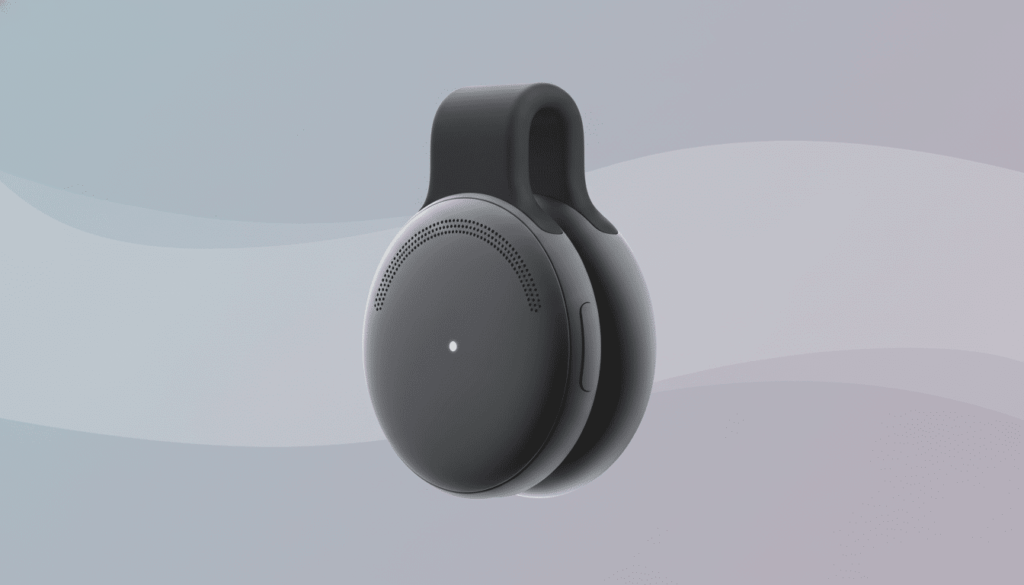
Meta has acquired Limitless, a startup known for its innovative AI devices, particularly a pendant that captures conversations. This acquisition marks a significant step for Meta as it seeks to enhance its consumer hardware offerings, particularly in the fast-evolving realm of wearables. Following the acquisition, Limitless announced it would halt hardware sales immediately, transition existing customers to an Unlimited Plan, and provide one year of support while allowing users to export or delete their data.
With this move, Meta aims to integrate advanced artificial intelligence into practical consumer gadgets that can understand and interpret users’ surroundings—not just act as chat-style assistants. The acquisition is particularly timely as the tech giant has already invested heavily in smart glasses through its collaboration with Ray-Ban, which features voice-first AI capabilities.
📰 Table of Contents
Limitless' Vision and Background
Founded by Brett Bejcek and Dan Siroker, the co-founder and former CEO of Optimizely, Limitless initially aimed to revolutionize personal memory. The company, formerly known as Rewind, created a pendant priced at $99 that could automatically record audio, transcribe conversations, and summarize them for easy recall. The startup had successfully raised over $33 million from notable investors including Andreessen Horowitz, First Round Capital, and NEA, allowing it to blend sophisticated AI research with cutting-edge hardware design.
Before venturing into hardware, Limitless offered the Rewind desktop app, which could track and record user activity, creating a searchable timeline of knowledge. However, with this acquisition, Limitless has signaled a winding down of its software offerings as it integrates into Meta’s broader strategy.
Meta has made it clear that AI-native wearables are crucial to its consumer strategy. The company has announced plans for ongoing low-latency experiences based on its Llama model family. Limitless brings valuable expertise in continuous audio capture and transcription, both essential features as Meta aims to offer hands-free devices that enhance daily life.
Privacy Concerns and Consumer Trust
The integration of always-on recording devices raises significant questions about privacy and consent, particularly in the U.S., where many states mandate that all parties consent to audio recordings. Trust hinges on clear indicators of recording, robust on-device processing, and user control over data. Limitless has stated that existing customers will have the option to export or delete their data and will receive support for a year post-acquisition. Meta, for its part, has highlighted its commitment to privacy, incorporating LED indicators and local data storage in its smart glasses.
As Meta embarks on incorporating Limitless technology into its product lineup, close scrutiny is expected regarding data management and user privacy policies. This is particularly vital as continuous context capture becomes more prevalent in everyday devices.
The Landscape of AI Hardware Startups
The market for AI-driven consumer devices has proven challenging. Competing startups like Humane and Rabbit have faced significant hurdles, while larger platforms such as Meta, Apple, Google, and Amazon leverage their extensive ecosystems to dominate the landscape. Analysts from firms like IDC and CCS Insight suggest that AI functionalities tend to gain traction more quickly when integrated into devices and services that users already trust and love, providing a substantial advantage to Meta's established product lines.
As Limitless transitions away from hardware sales and subscriptions, customers are being moved to the Unlimited Plan, which will be offered at no additional cost for now. This change provides existing users with financial relief while ensuring they retain control of their data. However, the downside is the uncertainty surrounding future innovation under the Meta brand.
In the coming months, it will be crucial to monitor how swiftly Meta incorporates Limitless talent into its wearable technology roadmap and the potential advancements in transcription and on-device summarization features. Furthermore, the evolution of privacy features as context capture technology advances will be pivotal in shaping consumer trust in Meta’s offerings.
In summary, Meta's acquisition of Limitless embodies a strategic move towards a future where AI is seamlessly integrated into daily life through wearables. As the lines between technology and personal experience blur, consumers will be looking for innovative solutions that enhance their lives while addressing privacy concerns. This ongoing dialogue about AI in consumer technology will likely shape the landscape for years to come.
Shocking NFL DFS Picks: Why Quinshon Judkins & Michael Wilson Could Make or Break Your Week 14 Lineup!

You’ll NEVER Guess What ‘Palm Royale’ Creator Revealed About Filming in L.A.! 7 Shocking Benefits You NEED to Know!

Ex-Planet Fitness Employee’s Shocking Crime: What He Did to Kids Will Leave You Speechless!

You Won't Believe Where to Catch the Epic Troy vs. James Madison Showdown—Stream for FREE NOW!

Malaysia’s Shocking New Rule: Kids Under 16 Banned from Social Media - What Happens Next Will Astonish You!

Pipe Bomb Suspect Shockingly Links 2020 Election Lies to Violent Threats—What He Revealed Will Leave You Helpless!
You might also like: