
Massachusetts Taxpayers Hit with Shocking $541M Climate Bill—Are You Paying for This?

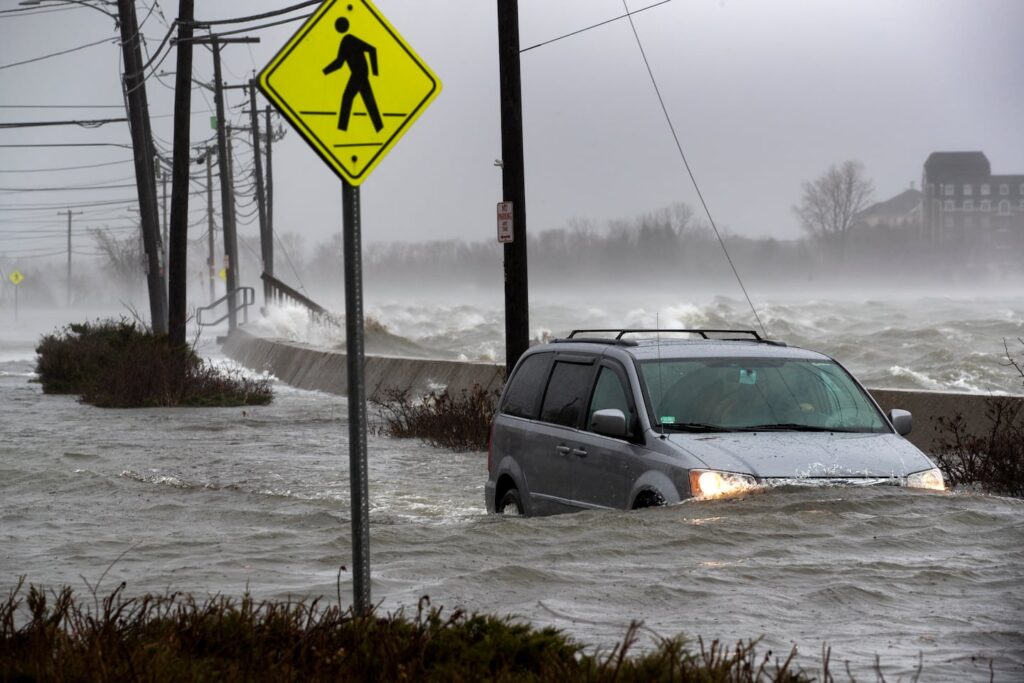
As climate change accelerates, its impacts are becoming increasingly evident across the United States, particularly in Massachusetts. Residents and experts are sounding alarms about the escalating costs and risks associated with extreme weather events, urging a reevaluation of current policies that seem to perpetuate a cycle of damage and recovery.
Chester, a concerned resident, stated, “We have to stop this revolving door of suffering, then getting a bailout.” This sentiment echoes the experiences of many Massachusetts residents who have faced the wrath of unprecedented weather patterns.
Between 2011 and 2024, Massachusetts experienced 11 federally declared major disasters due to extreme weather, costing taxpayers over $541 million. More than half of these disasters involved flooding, the most prevalent and costly form of extreme weather in the state. In addition to these costs, in 2024 alone, the federal government provided $7.5 million in individual assistance to homeowners and renters affected by severe storms and flooding, according to Robert Burgess, a spokesman for the Massachusetts Emergency Management Agency.
No county in Massachusetts was spared, but Bristol County and Suffolk County—which includes Boston—suffered particularly severe impacts, each experiencing eight of the declared disasters. The process for obtaining a major disaster declaration requires a state to demonstrate that the disaster has exceeded its recovery capabilities, unlocking essential funding for rebuilding and mitigation efforts.
With the increasing frequency and intensity of such natural disasters, spending by the Federal Emergency Management Agency (FEMA) has surged. Notably, the Trump administration had previously delayed disaster declarations and canceled billions in payments, impacting states' recovery efforts.
📰 Table of Contents
The Impact on Home Insurance
The financial burden extends beyond disaster recovery, as homeowners are grappling with the rising costs of insurance. In 2025, home insurance premiums in Massachusetts surged by nearly 16 percent, one of the highest increases in the nation. This is attributed to the heightened risks associated with climate change, leading many insurers to drop coverage for coastal homeowners. While merely 5 percent of homeowners in the state go without home insurance entirely, one in four struggle to find affordable insurance options.
Despite frustration, there is a potential for change. Steve Long, director of policy and partnerships for The Nature Conservancy in Massachusetts, indicated that residents may be open to further increases in home insurance prices if those funds are directed toward climate mitigation efforts, such as installing heat pumps and restoring wetlands. The Nature Conservancy is advocating for legislation to implement a 2 percent surcharge on home insurance premiums, estimated to cost homeowners around $20 to $30 annually. This policy could generate up to $95 million each year for climate-related projects.
“We’re in a tight spot in Massachusetts,” Long remarked, highlighting the need for sensitivity in identifying funding options amid an affordability crisis affecting many residents.
Escalating Flood Risks
The threat of flooding is growing alarmingly, with tidal flooding in Massachusetts increasing by 333 percent since 2000, driven by rising sea levels and heavier rains. The Massachusetts coastline has already seen an 8-inch rise in sea levels since 1950, and in Boston, coastal sea levels are approximately 14 inches higher than in 1921. By 2050, an additional 22,000 homes are projected to be at significant risk of structural damage from flooding.
Despite these ominous forecasts, less than 2 percent of homeowners in Massachusetts have flood insurance. “We’re really undercounting flood risks,” said Emma Gildesgame, climate adaptation director for The Nature Conservancy in Massachusetts. She emphasized the need for better data and public education to address the escalating flood risks.
In addition to flooding, the state faced a historic wildfire season in 2024, with over 1,300 blazes igniting, particularly in October and November fueled by drought conditions. These wildfires damaged or destroyed seven homes and over 40 outbuildings. The majority of these fires were attributed to human activities, such as burning debris and abandoned campfires, compounded by the decision of many residents to live near wooded areas.
As if the environmental challenges weren't enough, the extreme heat wave in June 2024 led to a dramatic spike in emergency room visits for heat-related illnesses, rising from 57 to 848 per 100,000 residents. Experts predict that Massachusetts could experience as many as 29 days annually where temperatures reach or exceed 90 degrees Fahrenheit by 2050. The urban heat island effect puts cities like Boston at further risk, necessitating innovative strategies to protect residents.
As Massachusetts faces a precarious future amid climate change, the call for action is urgent. Residents and policymakers alike must grapple with the realities of these escalating risks and costs, examining how to break the cycle of disaster response and recovery that has become all too familiar.
Kate Selig can be reached at [email protected]. Follow her on X @kate_selig.
NFL Referees Silent Amidst Explosive CBA Drama: What Are They Hiding? You Won't Believe the Consequences!

Francis Ngannou's Shocking Offer to Jon Jones: Is a UFC Showdown at the White House Imminent?

Is Your Job at Risk? Climate Change Threatens 1 Million Workers in a Surprising Industry!
Youngkin’s Shocking Defeat: What His Failed Board Picks Mean for Your Child’s Future!

You Won't Believe What This Governor Is Ignoring in His Last Year—Your Taxes Could Skyrocket!

College Football Playoff's Shocking Downfall: Are Major Schools Planning a REVOLT?
You might also like: