
Mark Zuckerberg Faces Off in Groundbreaking Trial: Will His Secrets Destroy Social Media?

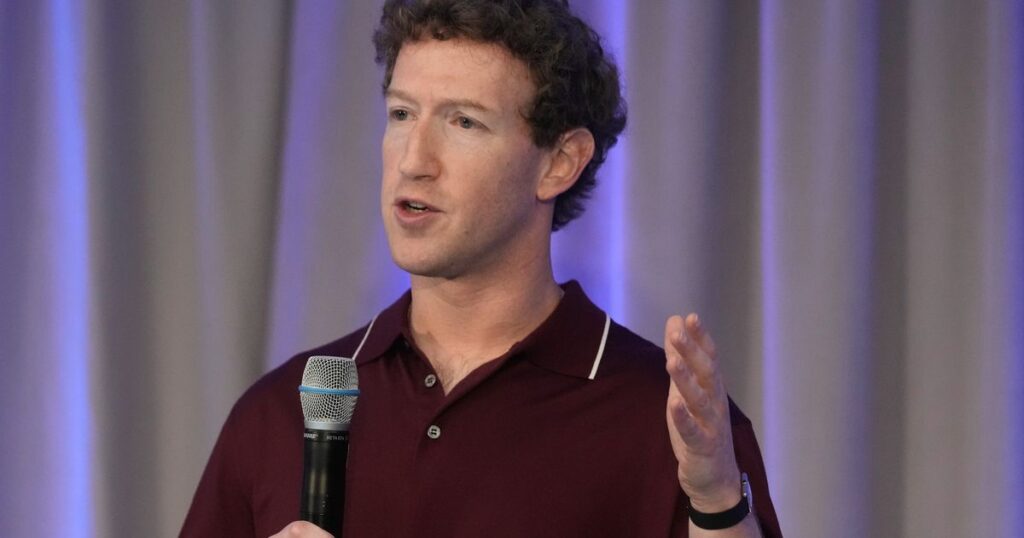
LOS ANGELES (AP) — In an unprecedented moment for social media accountability, Mark Zuckerberg, the CEO of Meta Platforms, is set to testify in a landmark trial that scrutinizes whether the company's platforms intentionally addict and harm children. This trial holds significant implications, not just for Meta but for the broader tech industry, as it questions the ethical responsibilities of social media giants in shaping the mental health of younger users.
The trial centers around a now 20-year-old woman, referred to as KGM, who claims her experiences with social media during her formative years led to addiction, significantly exacerbating her depression and suicidal thoughts. With both Meta and Google’s YouTube remaining as defendants in the case (after TikTok and Snap reached settlements), this trial could set a powerful precedent for thousands of similar lawsuits that are currently in the pipeline.
As Zuckerberg prepares to face a jury on Wednesday, he will encounter tough questions from attorneys representing KGM. This marks a stark contrast to previous testimonies he has given, which mainly occurred in front of congressional panels. Notably, bereaved parents, who have lost children in incidents they attribute to social media influences, are expected to fill the limited public seating in the courtroom. These emotional aspects add weight to the proceedings, highlighting the human cost of digital addiction.
A representative for Meta has publicly stated that the company "strongly disagrees" with the allegations and asserts confidence that the evidence will demonstrate their "longstanding commitment to supporting young people." However, the attorney representing KGM, Mark Lanier, is anticipated to explore deeply rooted issues surrounding the platforms, including the psychological implications of features like Instagram’s algorithm and cosmetic filters that potentially distort self-image.
During the trial, Paul Schmidt, one of Meta’s attorneys, acknowledged KGM’s struggles with mental health but contended that the company does not believe Instagram significantly contributed to these issues. He pointed to KGM’s turbulent home life as a crucial factor, arguing that she sought solace on their platforms as a coping mechanism.
Just a week prior to Zuckerberg's testimony, Adam Mosseri, head of Instagram, took the stand and dismissed the notion that users could be clinically addicted to social media. Mosseri emphasized the company's efforts to safeguard young users, claiming it is not "good for the company, over the long run, to make decisions that profit for us but are poor for people’s well-being."
As the trial unfolds, the spotlight will not only be on Zuckerberg's responses but also on the implications of social media’s design choices, including the infinite scroll feature and targeted notifications, which plaintiffs argue are deliberately designed to keep users engaged for extended periods. This trial embodies a critical juncture in discussions around digital ethics and youth safety, raising questions about the extent to which tech companies should be held accountable for their impact on mental health.
Simultaneously, Meta is facing another trial in New Mexico, further complicating its legal landscape and reinforcing the urgent need for actionable frameworks to protect vulnerable users. As this case develops, it may signal a turning point in how social media companies operate, potentially reshaping policies around user engagement and mental health protections for young people.
You Won’t Believe What Happens When This Request is Denied—The Shocking Consequences Revealed!
Lakers' SHOCKING 2025-26 Roster: You Won't Believe the Star Players They Just Traded!

Is Your Health at Risk? Discover the Shocking Truth About Climate Change's Deadly Impact!

You Won't Believe What Samsung's New AI Image Editor Can Do for Your Galaxy S26—Get Ready to Be Amazed!
You Won't Believe What Happens When Access Is Denied: 5 Shocking Consequences Revealed!

You Won't Believe What This Canadian Startup Just Did with $7.5M in Funding!
You might also like: