Malawi's Cholera Nightmare: How Rains Could Spark a Deadly Outbreak! Are You Prepared?

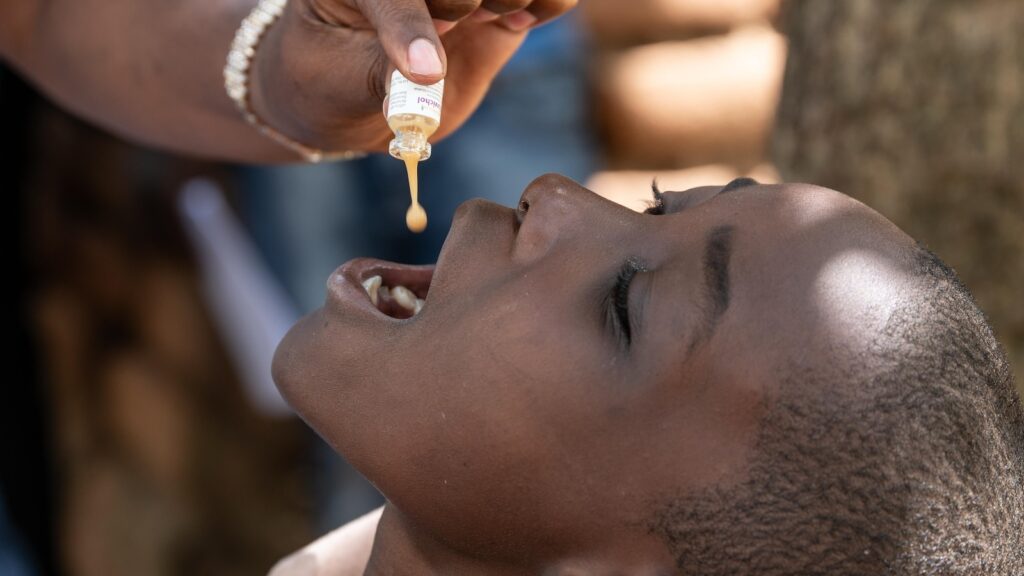
BLANTYRE, Malawi -- This week, Malawi has initiated a cholera vaccination rollout aimed at combatting the persistent threat of this deadly disease. Each year, cholera claims tens of thousands of lives around the world, and the urgency of Malawi's efforts highlights the ongoing health crisis faced by many nations in Africa.
Cholera, an acute diarrheal illness caused by the bacteria Vibrio cholerae, is often transmitted through contaminated food or water. The disease is preventable through access to clean water and treatable with rehydration solutions. However, in many impoverished communities, access to safe drinking water remains a significant challenge. This year's cholera outbreaks in Malawi have been aggravated by severe weather conditions, including heavy rains and flooding.
The alarming situation is underscored by recent statistics from the Africa Centers for Disease Control, which reported that Africa experienced over 300,000 cholera cases in the previous year—the highest in 25 years. Malawi is one of the countries in the region grappling with this recurring health crisis. In recent weeks, at least 17 cholera cases have been confirmed in Blantyre, the country's commercial capital, leading to one reported death and a "steady rise" in cases nationwide.
Dr. Gift Kawalazira, director of health and social services at the Blantyre District Health Office, indicated that unsafe water sources have been identified as the primary cause of these recent cases. Residents in the densely populated Chilomoni township often pay about 5 U.S. cents for a 20-liter bucket (approximately 5 gallons) of clean water. When they cannot afford this fee, many resort to using the nearby Muluda stream, a source contaminated with both human and animal waste.
"You can see others bring their kitchen utensils and wash them right here and also wash their clothes," Dr. Kawalazira noted. "This is the water that is causing cholera."
To combat this outbreak, Malawi aims to administer 24,000 doses of oral cholera vaccine as part of the three-day vaccination initiative, which ended on Friday. Health officials emphasize the focus on vulnerable populations in an effort to contain the spread of the disease. "We're focusing on the most vulnerable populations," Kawalazira said, describing the initial rollout as "a good number to start with." The collaboration between health workers and community members is vital for the success of this vaccination effort.
Malawi's struggle against cholera is further complicated by a global vaccine supply shortage. The cholera vaccine stockpile was critically diminished in 2022 due to high demand and limited availability, leaving many poorer countries, including Malawi, scrambling to manage outbreaks. In 2022, one of Malawi's worst cholera outbreaks claimed nearly 2,000 lives.
Community members like 24-year-old Harriet George are acutely aware of the risks. "I have seen that there is an outbreak of cholera in our area, and I decided to come with my children to get vaccinated," George said, expressing concern over the nine individuals from her area currently hospitalized with the disease. "The news was not welcome because the end result is death."
With cholera becoming a recurrent threat, African nations are increasingly investing in local vaccine production. In November, a South African pharmaceutical firm began trials for what it hopes will be the first cholera vaccine produced on the continent.
This year's unusually heavy rainfall in southern Africa has exacerbated the situation, as flooding in parts of Malawi and neighboring Mozambique has raised health concerns. Humanitarian organizations warn of the potential for large cholera outbreaks in Mozambique, where more than 500,000 individuals have been affected by flooding, putting them at risk of waterborne diseases. "Waterborne diseases and malnutrition are a lethal combination," stated UNICEF spokesperson Guy Taylor.
As health officials continue to grapple with the challenges posed by cholera, local residents like Noel Kanjere express the need for consistent public health messaging. "The health department should not only come when there is an outbreak," Kanjere remarked. "They need to continuously give sensitization messages to the community."
As Malawi embarks on this critical vaccination initiative, the road ahead remains fraught with challenges. However, the swift action taken by health authorities and community engagement may play a crucial role in stemming the tide of cholera in the region.
Moderna Drops Phase III Trials Amid Growing US Vaccine Skepticism—Is Your Health at Risk?

XRP at $1.90: Is This the Last Chance to Profit Before a Massive Surge or Sink?

Nvidia Stock Soars as Chinese Tech Giants Secretly Plan H200 Imports—What You MUST Know NOW!

Why Are 80% of Vaccine Trials Ignoring This Vulnerable Group? The Shocking Truth You Need to Know!

You Won't Believe Why the National Park Service Just Yanked a Climate Change Sign at Fort Sumter!

Is Your Favorite Fitness Influencer Hiding THIS Shocking Secret? The Alarming Trend You Must Know!
You might also like: