
Karoline Leavitt’s Campaign Debt: Who Will Pay the Shocking $300K Bill? You Won't Believe the Fallout!

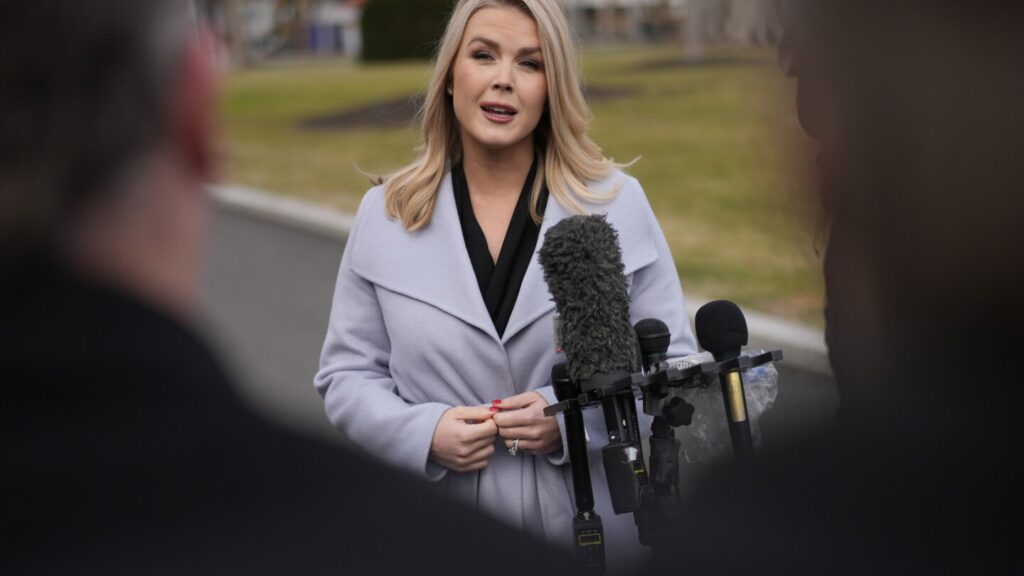
White House press secretary Karoline Leavitt finds herself in a challenging financial situation, as her defunct congressional campaign committee, Karoline for Congress, remains significantly in debt. As of March 31, the committee owes more than $326,000 to various creditors, according to a financial disclosure document filed with the Federal Election Commission on April 11.
During the first quarter of 2026, the committee was unable to raise any funds towards settling its debts and reported no cash on hand. This financial predicament primarily arises from the committee's failure to refund numerous donors who made illegally excessive campaign contributions during her bid to represent New Hampshire’s 1st Congressional District. Leavitt lost the 2022 election to Rep. Chris Pappas, a Democrat, marking a significant setback in her political career.
Under federal campaign finance law, campaigns are required to either reallocate or refund donations that exceed the individual contribution limit within 60 days. However, Leavitt's campaign committee has failed to comply with this requirement for over three years, leaving it with a substantial debt burden.
Additionally, the committee owes more than $100,000 to several consulting and advertising firms, including Axiom Strategies, AxMedia, Fundraising Inc., Remington Research Group, and Olympic Media. These debts highlight the challenges many political campaigns face in balancing fundraising and expenditures, particularly when mistakes are made in navigating complex campaign finance laws.
Neither the White House nor Robert Phillips, the treasurer of the Karoline for Congress committee, has responded to requests for comment regarding this financial situation. Under federal law, Leavitt has a few options to address her committee's debts: she could organize fundraising events, rent out her supporter lists to other campaign committees or data brokers, or reach out to potential donors willing to contribute to help her settle these outstanding balances.
Although Leavitt is not personally liable for her committee’s debts, she is in a position to make personal donations to help retire the remaining obligations. Leavitt's reported annual federal salary was $195,200 last year, giving her the financial capacity to address this issue if she chooses to do so.
This financial cloud hanging over Leavitt raises questions about the long-term implications for her political future. Campaign finance issues can significantly impact public perception, and how she addresses this situation may influence her standing within the Republican Party and among constituents in New Hampshire.
As the political landscape continues to evolve, Leavitt’s ability to navigate these financial challenges will be closely watched, particularly as she balances her responsibilities as press secretary against the backdrop of her past campaign troubles. The outcome of this financial situation not only reflects on her personal accountability but also serves as a reminder of the complexities inherent in campaign finance and the importance of transparency in political fundraising.
This Request Was Denied—What You’re Missing Could Cost You $1,000!
Greece's Shocking Social Media Ban for Kids Under 15: What Parents Must Know Now!

Laid Off Engineer Turns Bike Taxi Driver to Save $1.7 Million Home—What Happened Next Will Shock You!

DNA Breakthrough: Could This New Tech Finally Unravel the 40-Year-Old Guthrie Mystery?

Is Madison About to Count Ballots Delivered After 8 PM? Shocking Consequences Could Follow!

Europe's Shocking Strategy to Combat Social Media Addiction: Will the US Fall Behind?
You might also like: