Kansas Governor's Shocking Emergency Declaration: What You MUST Know Before the World Cup!

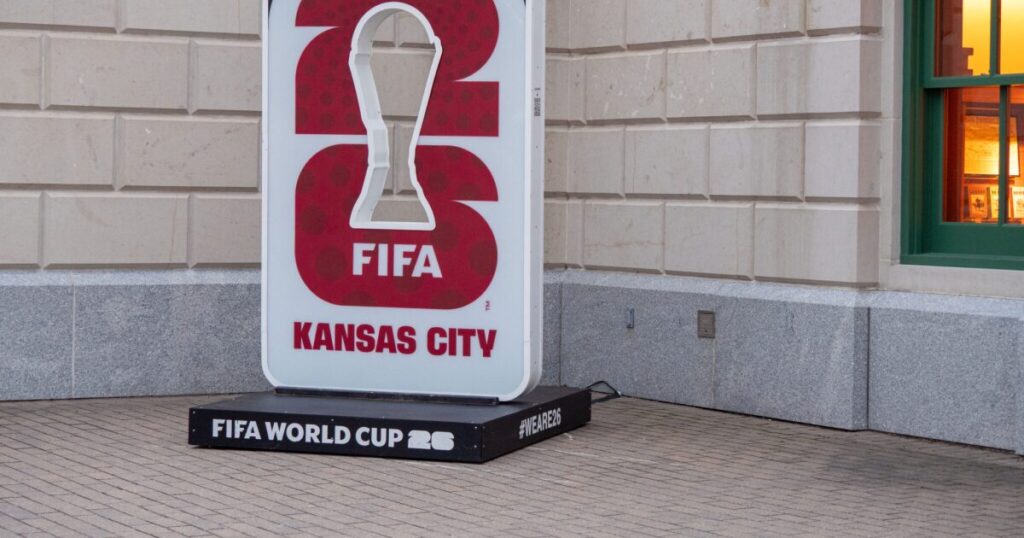
The anticipation surrounding the 2026 North American FIFA World Cup is prompting significant preparatory actions in Kansas, where Governor Laura Kelly has declared a state of disaster emergency for three counties. This declaration, issued on February 9, is aimed at addressing potential challenges stemming from the expected influx of approximately 650,000 visitors to the Kansas City area, driven by the establishment of four team base camps.
With this influx, local leaders are voicing concerns about the strain on public safety, emergency services, and transportation infrastructure. House Majority Leader Chris Croft, a Republican from Overland Park, emphasized that the sheer volume of visitors necessitates a robust response to ensure safety and preparedness.
The declaration itself is a procedural measure that allows the state to seek federal assistance. However, it is crucial to note that this emergency declaration is initially limited to a 15-day period, requiring legislative approval for any extension. Without this declaration, local and state officials would face significant obstacles in securing federal aid, as they would be unable to formally request assistance. The Kansas House has already voted nearly unanimously to extend the emergency declaration until July 30, 2026, coinciding with the World Cup matches scheduled between June 16 and July 11.
The Kansas City area will serve as a critical hub during the World Cup, hosting four teams: Argentina, England, The Netherlands, and Algeria. Argentina, the reigning champion, will be based at the Sporting KC Performance Center in Kansas City, Kansas, while England will utilize the Swope Park soccer village in Kansas City, Missouri. The Netherlands will train at the KC Current Training Center, also in Missouri, and Algeria will establish its base at the Rock Chalk Park in Lawrence.
The Kansas City area is one of a total of 11 host locations across the United States, along with three in Mexico and two in Canada, expected to welcome over five million visitors and generate an estimated tens of billions of dollars in economic activity. This economic windfall is complemented by millions in federal funding designed to bolster security measures across the region. In December, the U.S. Federal Emergency Management Agency (FEMA) allocated more than $5 million to Kansas and over $14 million to Missouri for improved security protocols, particularly those aimed at detecting and tracking drones.
An additional pool of $625 million in federal funding has been earmarked for security preparations, with plans for Missouri to distribute these funds on behalf of Kansas. These resources will be vital for establishing comprehensive security protocols to ensure the safety of players, staff, attendees, and infrastructure against potential threats, including terrorist attacks.
In light of the expected surge in visitors, the Kansas House has also advanced legislation aimed at expanding accommodation options. A bill approved on Wednesday prohibits local governments from restricting the volume of short-term rentals during the peak World Cup season, specifically from May 15 to July 25. This measure would allow localities to collect transient guest taxes from short-term rentals, similar to those imposed on hotels, potentially increasing lodging availability for the expected influx of fans.
As the World Cup draws nearer, local officials and residents alike are preparing for both the challenges and opportunities that accompany such a monumental event. The preparations indicate a proactive stance in ensuring that Kansas City makes the most of its role in the global soccer spotlight, while also safeguarding its community amidst the excitement.
Could Maine’s Independent Candidate Steal the Governor’s Seat? Shocking Poll Results Inside!

Shocking $500M Funding Frenzy: Which Startups Are Set to Explode THIS WEEK? Don't Miss Out!
You Won't Believe What Happened When 1,000 People Ignored This Shocking Request!
Trump’s 3-Day China Visit: What Secret Deal Could Change Everything for America? Don't Miss This!

Unlock the Secret: This Simple iOS Fitness Trick in Rural Areas Will Transform Your Health Forever!

Pet Vaccine Fundraiser: How One Child's Rare Disease Could Change Everything for Coast Families!
You might also like: