
Joro Spiders Are Invading the East! 7 Shocking Reasons You Should Be Terrified!

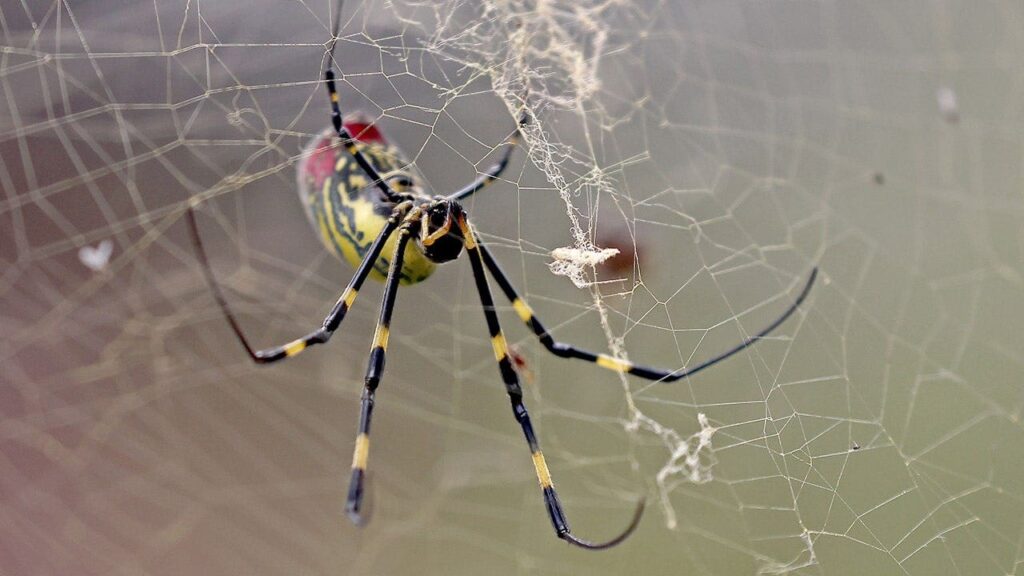
Large, palm-sized spiders are weaving their way into American landscapes, and they aren't going anywhere. The Joro spider, recognizable by its impressive leg span of up to four inches and vibrant markings of neon yellow, blue-black, and red, first appeared in Georgia in 2013. Experts believe it likely hitched a ride from Asia on a shipping container or an airplane.
Since then, the Joro spider has steadily marched northward, now spotted in Georgia, North Carolina, South Carolina, and Tennessee. According to Penn State researchers, these arachnids are expected to expand their territory throughout eastern North America, potentially reaching as far north as Pennsylvania and warmer coastal regions.
One of the remarkable adaptations of the Joro spider is its method of travel known as "ballooning." Hatchlings can release fine silk threads that catch air currents, allowing them to travel long distances. Ian Williams, an entomologist with Orkin, noted an impressive count of 200 adult Joro spiders on his one-acre property near Atlanta as of September last year. "They're quite intimidating-looking spiders, and they make very large webs," Williams explained. "The webbing itself, if it catches the sunlight, has a golden hue to it. And it's very strong."
Despite their striking appearance, experts urge the public not to panic. Research indicates that Joro spiders are among the "shyest" spiders documented, often sitting motionless for over an hour when disturbed instead of attacking. Williams emphasized that, while large, these spiders have small fangs that make it difficult for them to bite humans. In the rare event of an encounter, their venom is weak—akin to a localized bee sting—and poses "no medical importance."
As an invasive species, the ecological impact of the Joro spider is still under investigation. One concern is their potential to out-compete native spider species. Williams pointed out that Joro spiders are prolific hunters, catching a wide range of prey from mosquitoes to larger insects like cicadas. It's still unclear whether they compete for food with native garden spiders.
For those looking to keep Joro spiders off their porches or properties, experts recommend physical removal over pesticides, as pesticides can miss these spiders high in open-air webs. Using a broom or a long pole to knock down webs may send a message to the spiders that the area isn't suitable for nesting. "Spiders may get the message, 'Hey, I'm not going to keep remaking my same web in the same area,'" Williams added.
Citizens who spot Joro spiders in new areas are encouraged to log their sightings using apps like iNaturalist to assist researchers in tracking their northern migration. As the Joro spider continues its spread, understanding its behavior and ecological role will be vital for maintaining a balance in local ecosystems.
Is Your Browser Putting You at Risk? Discover the Shocking Truth Behind the Warning!
NBA Star Paul Pierce’s Shocking Child Support Battle: Woman Demands $30K Monthly—What’s His Next Move?

Davina McCall’s Shocking Health Update: You Won’t Believe What Her Scan Revealed!

Tragic Loss: How a Junior College Star's Dream Turned into a Heartbreaking Sports Obituary!

Midland TX Unveils Shocking $2 Million Plan for Beal Park Soccer Complex—Will It Save Youth Sports?

Bitcoin Crash Alert: 25% Losses Unfold Amid Global Tensions—Are You Missing the Next Big Move?
You might also like: