
Japan's Snowfall Surges 7%—Is Climate Change Making Winter More Dangerous?

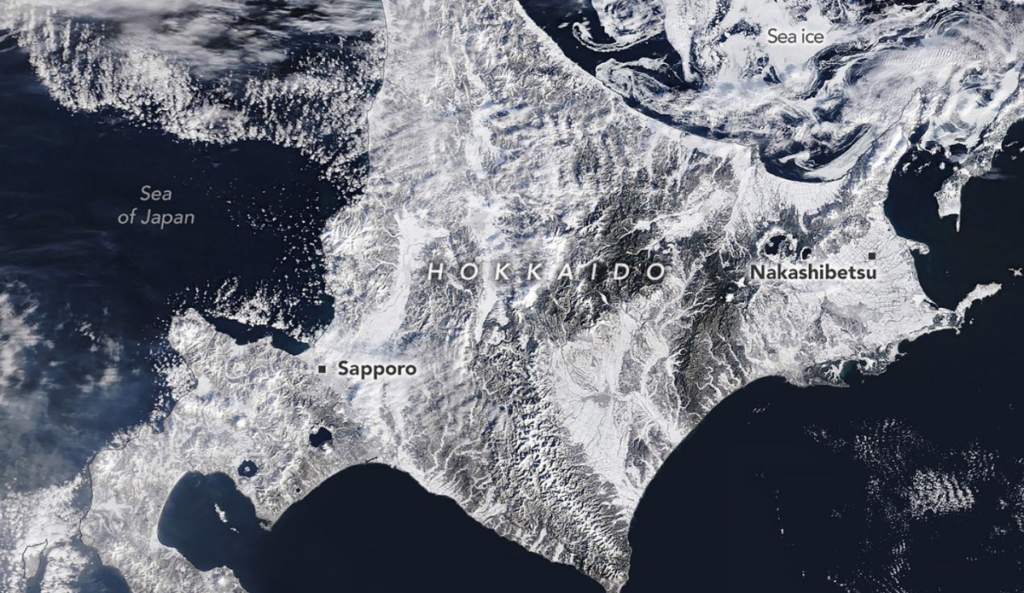
As the world grapples with the realities of climate change, recent weather events in Japan have brought the conversation to the forefront. Heavy snowstorms across parts of Japan earlier this winter not only delighted winter sports enthusiasts but also caused significant disruptions for everyday citizens. The Japan Meteorological Agency has released an analysis shedding light on the influence of human-caused climate change on these extreme weather events.
In late January 2026, Aomori Prefecture was particularly hard-hit, with over 1,700 homes left without electricity. The situation escalated to such a degree that troops were deployed to help clear roads and tracks. Tragically, dozens lost their lives during this stretch of severe weather, primarily due to falls while clearing snow from rooftops.
The Japan Meteorological Agency's study utilized simulations to compare current weather conditions, influenced by climate change, against a hypothetical scenario without these human impacts. The findings were striking: northern Japan has experienced a seven-percent increase in snowfall. This phenomenon can be attributed to warmer air holding more moisture, which, when it cools, precipitates as snow in colder regions. In contrast, the same weather event in western Japan resulted in increased rainfall rather than snow.
“For the time being, the impact of global warming may increase the amount of water vapor, raising the risk of greater snowfall,” said Hisashi Nakamura, a professor emeritus at the University of Tokyo and chair of the Japan Meteorological Agency’s abnormal weather analysis committee. “Although the link between global warming and increased snowfall may be contrary to our intuition, we still need to stay prepared for snow.”
This insight underlines a crucial point: while warmer temperatures might suggest less snow, the reality is more complex. As climate change progresses, regions typically associated with heavy snowfall, like northern Japan, may see an increase in snow as warmer air carries more moisture. This contradicts the common assumption that higher temperatures will uniformly result in less snow.
The implications of these findings extend beyond Japan. The relationship between climate change and extreme weather events is a global concern. As countries worldwide face an increase in such phenomena, the urgency for preparedness and adaptation strategies becomes more critical. The tragic losses suffered in Japan remind us that climate change can have immediate and devastating consequences on lives and infrastructure.
As we move forward, understanding these intricate relationships between climate change and weather patterns will be vital for policymakers, scientists, and communities alike. Preparedness not only involves immediate responses to such weather events but also long-term strategies to mitigate the impacts of climate change. The need for resilient infrastructure, community awareness, and comprehensive climate policies has never been more pressing as we navigate an increasingly unpredictable climate landscape.
Is Europe on the Brink of a Tech Revolution? Discover How $100 Billion in Gov't IT Spending Could Change Everything!

You Won't Believe What the Google Pixel 10a Can Do—Is It Worth the £499 Price Tag?

You Won't Believe What Freeze-Dried Fruit Snacks Are Hiding – This One Ingredient Changes Everything!

You Won't Believe Which Two Upper Peninsula Residents Just Landed Shocking Governor Appointments!

You Won't Believe Why NBA Analysts are Calling the Hornets the Next Boston Celtics—Shocking Stats Inside!

You Won't Believe What Governor Josh Stein Revealed About Native American Contributions—It Changes Everything!
You might also like: