
Is Your Town Ready? Meteorologist Reveals Alarming Rise in Tornado Clusters Due to Climate Change!

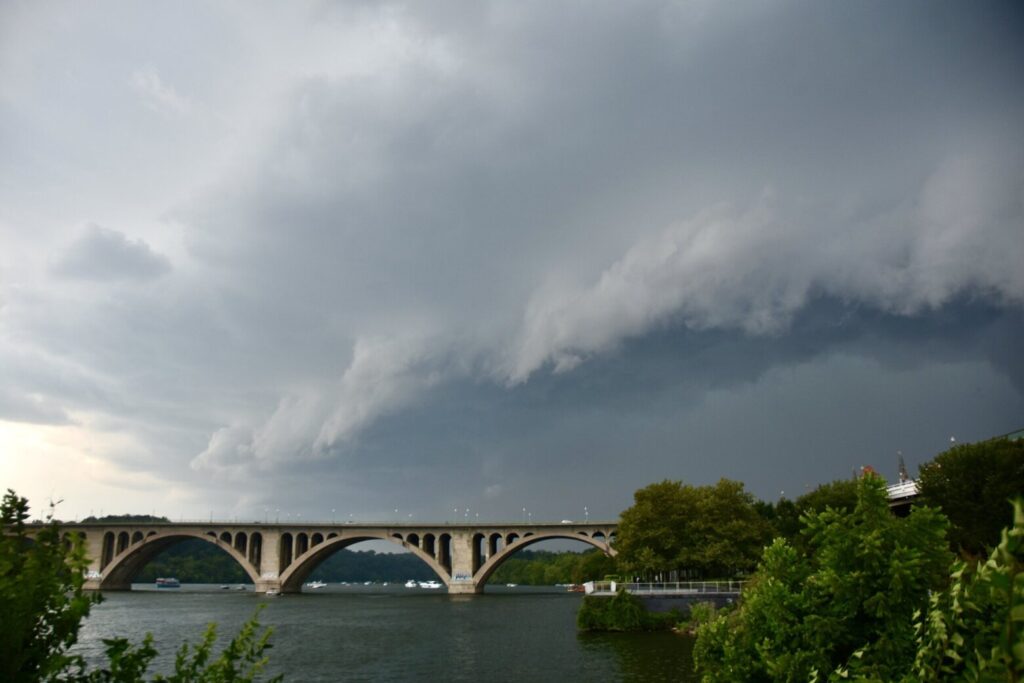
The D.C. region is experiencing an increase in "outbreak days," which are days when conditions align to produce multiple tornadoes. A leading factor behind this trend, according to Shel Winkley, a meteorologist with the nonprofit organization Climate Central, is climate change. Winkley warns that the warming climate is creating more favorable conditions for severe weather than what was observed just 50 years ago.
“We know that there are now more days that have those ingredients to create thunderstorms and to create severe weather than there were just, say, 50 years ago,” Winkley explained. He further noted that the traditional region known as ‘Tornado Alley’, which typically spans parts of the central United States, appears to be shifting eastward, leading to an uptick in the wet and stormy weather patterns that the D.C. area is currently experiencing.
An "outbreak day" is characterized by a significant line of storms that can generate multiple tornadoes through what are known as supercell thunderstorms. Winkley emphasized that these conditions can lead to several tornadoes forming in a single region, increasing the potential for devastation.
The implications of these predictions are significant. Just recently, a forecast predicting severe weather led schools, businesses, and local governments in the D.C. area to close early as a precaution. While some residents grumbled about the overhyped threat, Winkley pointed out that there are lessons to learn from each forecast. “When we look back at this event, we can look back at, ‘How do we communicate it? What were the graphics that were shared? How can we better prepare people for both timing and the types of weather that will be coming their way?’” he stated.
Despite past inaccuracies in weather forecasting, Winkley pointed out that advancements in climate science have dramatically improved predictions. “Fifty years ago, a three-day forecast was OK; a five-day forecast was sketchy. Now, a five-day forecast is really good, a seven-day forecast is OK, and a ten-day outlook gives you at least an idea,” he said. This advancement is crucial, particularly for a region that is increasingly vulnerable to severe weather.
The implications of shifting weather patterns extend beyond immediate safety concerns. More frequent tornado outbreaks in the D.C. area could strain emergency response systems, challenge infrastructure, and raise insurance costs. As climate change continues to alter weather patterns, residents, businesses, and local governments must adapt to these new realities.
Furthermore, this trend serves as a stark reminder of the broader impacts of climate change on American communities. The increase in severe weather events is not localized; it reflects a nationwide shift that demands attention. As communities grapple with the consequences, from increased flooding to more frequent hurricanes and tornadoes, the stakes are high for both urban and rural areas alike.
For residents of the D.C. area, understanding these changes is essential not just for personal safety, but also for community preparedness and resilience. The evolving nature of severe weather highlights the importance of staying informed and proactive in the face of climate change.
As the D.C. region navigates this rapidly changing landscape, the insights from meteorologists like Shel Winkley become invaluable. By leveraging modern forecasting techniques and paying close attention to the indicators of severe weather, communities can better prepare for the challenges that lie ahead.
You Won’t Believe How ‘Basic’ Director Chelsea Devantez Exposes the Dark Side of Social Media—Shocking Revelations Inside!

Universal Window’s Shocking Rebrand: What They’re Hiding and How It Affects YOU!
You Won't Believe What Happened When This Request Went Terribly Wrong – Find Out Now!

This Dad's Shocking 30-Day Navy SEAL Burpee Challenge Revealed His Hidden Superpowers!

Dolphins Shock Fans: Waddle's Trade to Broncos REVEALED! What’s Next for the Jets & Chiefs?
Loma Linda University Launches Controversial Hospice: Why This Shocking Move Has Everyone Talking!
You might also like: