
Is Your Social Media Habit Harming You Like a Drug? Shocking Truths Exposed!

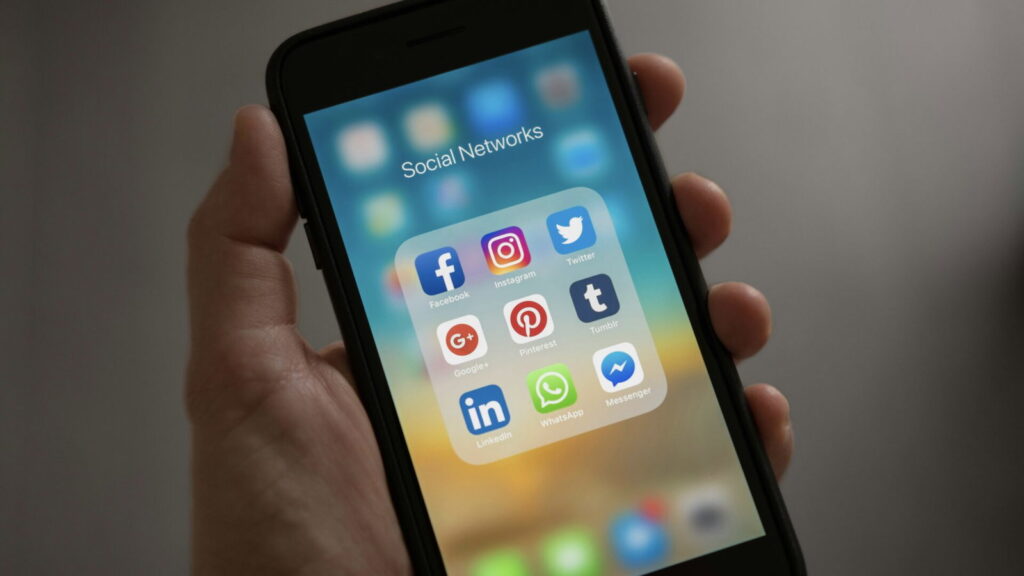
Former U.S. Surgeon General Jerome Adams has raised serious concerns regarding the impact of social media on young people's mental health, likening its dangers to those of cigarettes. Appearing on "Face the Nation with Margaret Brennan," Adams cited a report from current Surgeon General Vivek Murthy, which outlines alarming connections between social media use, particularly among youth, and increased rates of anxiety, depression, and sleep deprivation. These factors contribute to broader health issues, including obesity.
Adams stated, “We know, based on Surgeon General [Vivek] Murthy’s report, that there is increasing and very valid evidence out there showing links between social media use, particularly at a younger age, and increasing anxiety, increasing depression, less sleep, which actually leads to mental health problems and also obesity.” He emphasized that social media platforms should bear warning labels akin to those used for tobacco products, arguing that they are designed to be addictive, especially for children. “Similar to cigarettes,” he said, “the government needs to point out the fact that these substances, meaning social media platforms, are incredibly addictive.”
“The policy is going to be hard, but Australia has already done it,” Adams said regarding potential regulations. “They banned social media for people under 16.”
This commentary comes on the heels of recent court rulings that found Meta and YouTube liable for fostering environments that harm young users' mental health. In one case, Meta was found guilty by the state of New Mexico for failing to prevent child exploitation on its platforms, resulting in a hefty $375 million penalty. Both companies plan to appeal these decisions, with Meta asserting, “We work hard to keep people safe on our platforms and are clear about the challenges of identifying and removing bad actors or harmful content.”
Adams advocates for stricter policies, including age restrictions similar to those implemented in Australia, which prohibits social media access for individuals under 16. He noted that approximately 25 states are already considering legislation to limit social media and smartphone access in schools. “We need to really understand the harm that’s occurring to our children because of this unfettered access to screen time and social media,” he warned, adding that children should not be allowed to have phones in their bedrooms at night.
The concerns about mental health among youth are echoed by another former U.S. Surgeon General, Antonia Coello Novello, who served under President George H.W. Bush. She highlighted some staggering statistics: “When you have 31 percent of United States children, one out of three, having some kind of mental issue in the last 30 days, you have a problem. But what worries me the most, one out of five has thought about suicide.” In her view, social media plays a crucial role in exacerbating issues such as cyberbullying, loneliness, and body image concerns.
As experts like Adams and Novello emphasize the urgent need for change, it becomes clear that the conversation around social media is shifting—no longer just a debate about user experience but a pressing public health crisis. Whether through bans, age restrictions, or warning labels, there is a growing consensus among health officials that action is required to safeguard the mental well-being of children and adolescents in the digital age.
With 31% of U.S. children reporting mental health issues, the implications of unfettered social media access cannot be overstated. As the impact of these platforms continues to unfold, it is imperative for lawmakers, educators, and parents to engage in dialogue around effective solutions. The time for action is now, and the stakes could not be higher.
Grizzlies' Clarke Caught in Shocking Arkansas Drug Bust: What You Didn't See Coming!

Eugene Mirman’s Life Hangs in the Balance: You Won’t Believe Who Saved Him from the Flames!

Trump's Shocking Announcement: Is the U.S. Really Pulling Out of the Iran War in Just Weeks? Find Out Now!

You Won't Believe How Walking Soccer Could Transform Your Fitness Routine—Is It The Next Big Thing?

K-State Women’s Soccer Coach Suspended: What They’re Not Telling You Will Shock You!

New World Toolkit Launch: How Developers Are Cashing in on Bitcoin—Don’t Miss Out on This Goldmine!
You might also like: