
Is Your Smartwatch Lying to You? Shocking Truth About 6 Health Metrics Exposed!

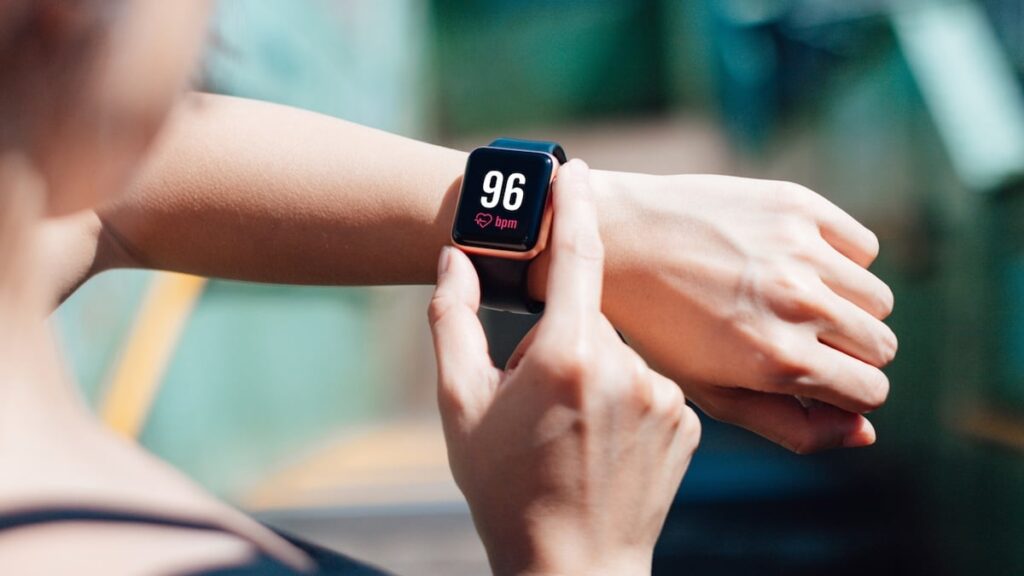
Imagine finishing a satisfying run, feeling invigorated, only to check your smartwatch and discover that your fitness score has plummeted, calorie burn is minimal, and recovery metrics suggest you should take a 72-hour break. Confusing, right? This discrepancy between how you feel and what your device reports highlights a crucial truth: smartwatches and fitness trackers are not always accurate.
For nearly a decade, using wearable fitness technology has been one of the top trends in health and wellness. Millions of Americans rely on these devices daily, using them to monitor calories burned, fitness levels, recovery states, and readiness for exercise. However, the reality is that most of these metrics are not directly measured but rather estimated, which can lead to significant inaccuracies.
The Limitations of Smartwatch Metrics
Let’s delve into some of the common areas where smartwatches fall short:
1. Calories Burned: Tracking calories is one of the most popular functions of smartwatches, yet their accuracy is frequently called into question. Studies show that wearable devices can under- or overestimate calorie expenditure by more than 20%. This inaccuracy can vary significantly depending on the type of activity. For instance, strength training and high-intensity interval training can yield even larger discrepancies. Misjudging caloric burn can lead users to either overeat or under-eat, impacting weight management and exercise performance.
2. Step Counts: While tracking steps is a useful way to gauge physical activity, smartwatches can undercount steps by about 10%. Activities like pushing a stroller or carrying weights can further skew results, as these devices rely on arm movements to register steps. Although step counts serve as a general guide for activity levels, they should not be viewed as precise measurements.
3. Heart Rate: Smartwatches estimate heart rate using sensors that detect changes in blood flow through the wrist. While this method is generally accurate at rest or during low-intensity exercise, inaccuracies can proliferate during high-intensity workouts. Factors such as arm movement, sweat, skin tone, and how tightly the watch is worn all affect heart rate readings, which can hinder effective training if heart rate zones are used to guide workouts.
4. Sleep Tracking: Almost all smartwatches provide a "sleep score," breaking down sleep into stages of light, deep, and REM sleep. However, the gold standard for sleep measurement is polysomnography—a lab-based test that monitors brain activity. Smartwatches, on the other hand, estimate sleep using movement and heart rate, making them less reliable for assessing sleep stages accurately.
5. Recovery Scores: Many smartwatches calculate recovery scores based on heart rate variability and sleep quality. While heart rate variability reflects how your body copes with stress, measuring it accurately requires an electrocardiogram. Smartwatches estimate this value using wrist-based sensors, which can lead to misleading recovery metrics. If your watch suggests you're not ready to train despite feeling good, it might not be providing a true picture of your recovery.
6. VO₂max: This metric represents the maximum amount of oxygen your body can utilize during exercise, and while smartwatches estimate VO₂max based on heart rate and movement, the best measurement involves a mask to analyze oxygen intake. Generally, smartwatches tend to overestimate VO₂max in less active individuals and underestimate it in fitter ones, leading to potential misjudgments about true fitness levels.
Given these limitations, what should users take away from their smartwatch data? While the metrics provided by these devices can be helpful for tracking general trends over time, they should not be relied upon for daily decision-making or overly precise measurements. Paying attention to how you feel and your performance is likely to offer more valuable insights than the numbers on your watch.
In summary, while wearable fitness technology can augment your health journey, it is essential to approach the data with a critical eye. Understanding the limitations of your smartwatch can empower you to make more informed decisions about your health and fitness, ensuring that you focus not just on numbers but also on how you feel in your own body.
Lynchburg’s Election Day Shock: What’s Really Happening Behind Closed Doors? You Won't Believe the Secrets!
Jon Decker Reveals SHOCKING Secrets About Covering 5 Presidents—What They Don't Want You to Know!

You Won't Believe What These Six Women Did to Win the 2026 Goldman Prize—Find Out Now!

Is Apple’s New CEO John Ternus Hiding a Shocking Strategy That Could Change Everything?

$8 Million Gone! The Shocking Kelp rsETH Hack: What Aave & Llamarisk Don’t Want You to Know!

Military Medics Gather in Hawaii: Are We Prepared for a Pandemic? Shocking Secrets Revealed!
You might also like: