
Is Your Shingles Vaccine Secretly Protecting You from Dementia? Shocking Study Reveals the Truth!


A recent study from Stanford University has revealed promising implications for the shingles vaccine in the context of dementia prevention and treatment. According to research led by Dr. Pascal Geldsetzer, an assistant professor of medicine and senior author of the study, there is now evidence suggesting a cause-and-effect relationship between receiving the shingles vaccine and a reduced risk of developing dementia.
This research builds upon earlier findings that indicated older adults who received the shingles vaccine were 20% less likely to develop dementia over a span of seven years compared to their unvaccinated counterparts. The shingles vaccine, known as Zostavax, has been used for years primarily to protect against the painful nerve condition caused by the reactivation of the chickenpox virus. However, its potential benefits may extend far beyond that, particularly concerning cognitive health.
The researchers analyzed public health data from Wales, where shingles vaccination eligibility was determined by birth date. This created two distinct groups of older adults—those who qualified for the vaccine due to their birth date and those who did not. By focusing on these similar cohorts, the researchers could more accurately assess the impact of the vaccine on dementia rates, thus minimizing the biases often present in observational studies.
Initial findings indicated that vaccination appeared to provide benefits across the spectrum of dementia, from early signs of cognitive decline to late-stage dementia. Over nine years, individuals who received the shingles vaccine were less likely to be diagnosed with mild cognitive impairment and showed lower mortality rates related to dementia. Specifically, nearly 50% of Welsh seniors diagnosed with dementia at the start of the vaccination initiative ultimately died from the condition, compared to only 30% of those who had received the vaccine.
"There is a growing body of research showing that viruses that preferentially target your nervous system may be implicated in the development of dementia," noted Geldsetzer. The chickenpox virus, which can remain dormant in the body for life and later reactivate as shingles, is of particular concern. It is thought that shingles could potentially trigger inflammation in or around the brain, a factor linked to increased dementia risk. Experts suggest that preventing viral flare-ups might help reduce this inflammation and, by extension, lower the likelihood of developing dementia.
While the findings are encouraging, researchers caution that the study has limitations. The health behaviors of vaccinated individuals may differ from those of those who chose not to get vaccinated, factors that are not typically captured in electronic health records. For example, the researchers lack data regarding the patients' dietary habits or physical activity levels, which could also contribute to cognitive health.
Dr. Geldsetzer emphasized the importance of further research, stating, "If the shingles vaccine really prevents or delays dementia—and, with this new study, also appears to have benefits for those who already have dementia—then this would be a hugely important finding for clinical medicine, population health, and research into the causes of dementia."
As the scientific community explores this potential link further, the implications for public health and clinical practice could be significant, particularly for aging populations. Vaccination against shingles could become a key strategy not only in preventing the painful condition itself but also in tackling a major public health challenge: dementia.
Fox News Digital has reached out to manufacturers of the shingles vaccine for comment regarding these findings, highlighting the ongoing interest in the intersection of vaccination and cognitive health.
Is Climate Change the Silent Killer? 7 Shocking Facts You Need to Know Now!
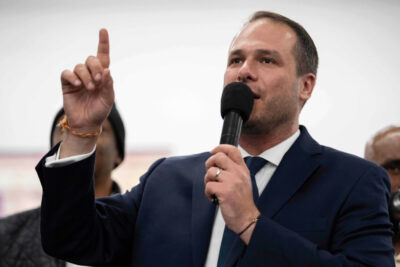
Shocking Upset: How James Solomon Stunned Ex-Gov. Jim McGreevey in Jersey City’s Wild Election!

You Won’t Believe What Suzy Welch Is Hiding in Her $26M NYC Mansion – Act Fast Before It’s Gone!

You Won’t Believe How the 2025 College Football Playoff Changes Could Crush Your Team’s Dreams!

Racket Sports, HIIT, and Pilates: The 2025 Fitness Shock That Could Change Your Life Forever!
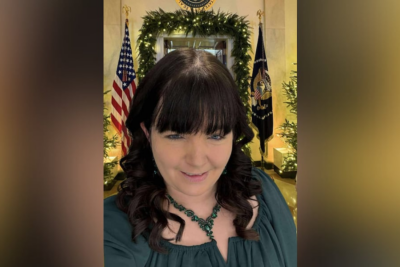
You Won't Believe What This Florist Did to Transform the White House for Christmas! 5 Shocking Secrets Inside!
You might also like: