
Is Your Protein Bar Lying to You? Shocking Truth About David Bars Revealed!

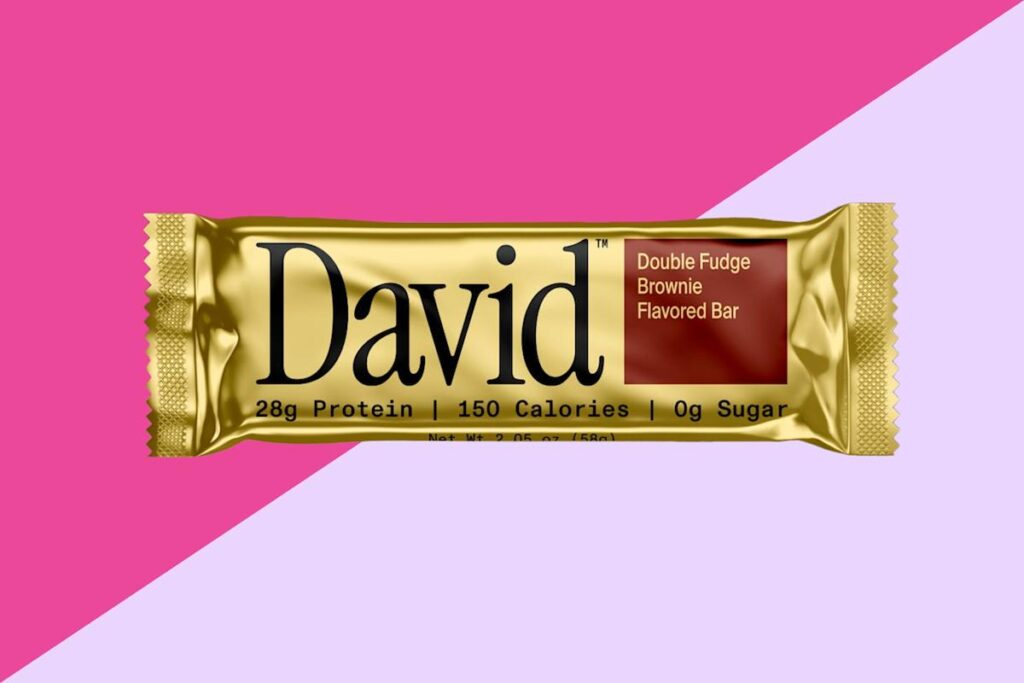
In the crowded world of health and wellness food products, the recent rise of David Bars has caught the attention of fitness enthusiasts and diet-conscious consumers alike. These protein-packed bars promise impressive nutritional stats: 28 grams of protein, 150 calories, and zero grams of sugar. With backing from notable figures in the wellness community like Andrew Huberman and Peter Attia, David Bars represent what the company calls the “idealized” form of protein supplements. However, the brand has recently faced scrutiny due to allegations of misleading nutritional information, sparking a class action lawsuit that could impact consumer trust.
Launched under Linus Technologies Inc., David Bars have quickly become popular among gym-goers and individuals pursuing weight loss goals. Their tagline claims that the bars help “build strength, lose fat, and be beautiful.” Initially marketed as a tool for weight loss, David has expanded its product line, including offerings like wild-caught Pacific cod.
However, controversy has arisen following a lawsuit filed in January 2024, which alleges that David Bars contain significantly more calories and fat than advertised. The lawsuit claims that third-party testing showed the bars could have a calorie count that is 78-83 percent higher than stated on their labels and fat content 368-400 percent higher. These discrepancies, according to the lawsuit, violate FDA regulations and could mislead consumers regarding their dietary choices.
Peter Rahal, co-founder of David Bars, has publicly refuted these allegations. In a response to Women’s Health, he stated that the tests referenced in the lawsuit rely on outdated methods for calculating caloric content. He explained that calories on nutrition labels are based on metabolizable energy—what the human body can actually absorb and use—rather than the total energy released when food is burned, known as bomb calorimetry. This distinction is crucial, particularly for ingredients like dietary fiber and certain sweeteners, which can skew results.
Food scientist Abbey Thiel supports Rahal's position, arguing that the analysis used in the lawsuit is flawed. David Bars feature a fat substitute known as esterified propoxylated glycerol (EPG), which the body does not fully absorb. This means that while EPG may appear to contribute significantly to caloric content in laboratory tests, it doesn't deliver the same amount of usable energy to consumers. Thiel emphasized that the food testing methods in question could misrepresent the actual nutritional value of the bars.
The Nutritional Breakdown
Beyond the controversy, it's worth examining what's inside a David Bar. Each bar packs a strong protein punch with 28 grams, derived from a blend of milk protein isolate, whey protein concentrate, collagen, and egg white. This diverse protein matrix gives the bars a perfect protein digestibility-corrected amino acid score, ensuring all 20 essential amino acids are present. However, these bars are not suitable for those seeking plant-based options, as they include animal-based proteins and allergens like milk and eggs.
Another notable ingredient is EPG, the unique fat substitute that makes David Bars stand out. While EPG decreases the caloric impact of the bars, it can still contribute to gastrointestinal discomfort, particularly if consumed in excess. Amy Stephens, a dietitian specializing in sports nutrition, warns that excessive intake of ingredients like maltitol (a sugar alcohol) and glycerin can lead to stomach cramps.
Another point of consideration is the presence of artificial sweeteners. The bars contain various sweeteners such as stevia, sucralose, and monk fruit. Although many consumers are sensitive to artificial sweeteners, experts like Dr. Russo argue that these ingredients are generally not problematic for most people when consumed in moderation. However, there's potential for these sweeteners to encourage overeating, as studies have shown that they may lead some individuals to consume more calories overall.
Despite their impressive protein content, it's crucial to remember that David Bars are not a magical solution for gaining muscle or losing fat. Dr. Michael Russo, a bariatric surgeon at MemorialCare Surgical Weight Loss Center, notes that while protein aids in weight loss and muscle building, many other factors play significant roles, including exercise, sleep, and overall diet. He describes David Bars as a higher-quality protein option but emphasizes that they shouldn't be seen as revolutionary.
In conclusion, while David Bars present a convenient protein source, consumers should remain informed about their ingredients and the ongoing legal issues surrounding the brand. If you're looking to meet your protein goals, especially during hectic mornings, these bars can be a practical solution. However, prioritizing whole, unprocessed foods should always be the goal for optimal health and nutrition.
Excessive Smartphone Use Could Sabotage Your Body Image—Find Out How This Shocking Study Reveals the Truth!

5 Shocking Foods You MUST Eat NOW to Slash Your Colon Cancer Risk—Doctors Are Warning!

How Chris Washburn Went from NBA Stardom to Near-Death: His Shocking Journey of Redemption!

Is Trump Igniting a Stock Market Crash? Discover 3 Shocking Triggers That Could Wipe Out Your Savings!

You Won't Believe What This 760K YouTuber Said About Dating a Galaxy User! Is Smartphone Class Real?

UCLA's Star Bilodeau Collapses with Shocking Injury—What This Means for March Madness!
You might also like: