
Is Your Phone Battery Dying Faster? The Shocking Truth About Cheap Chargers!

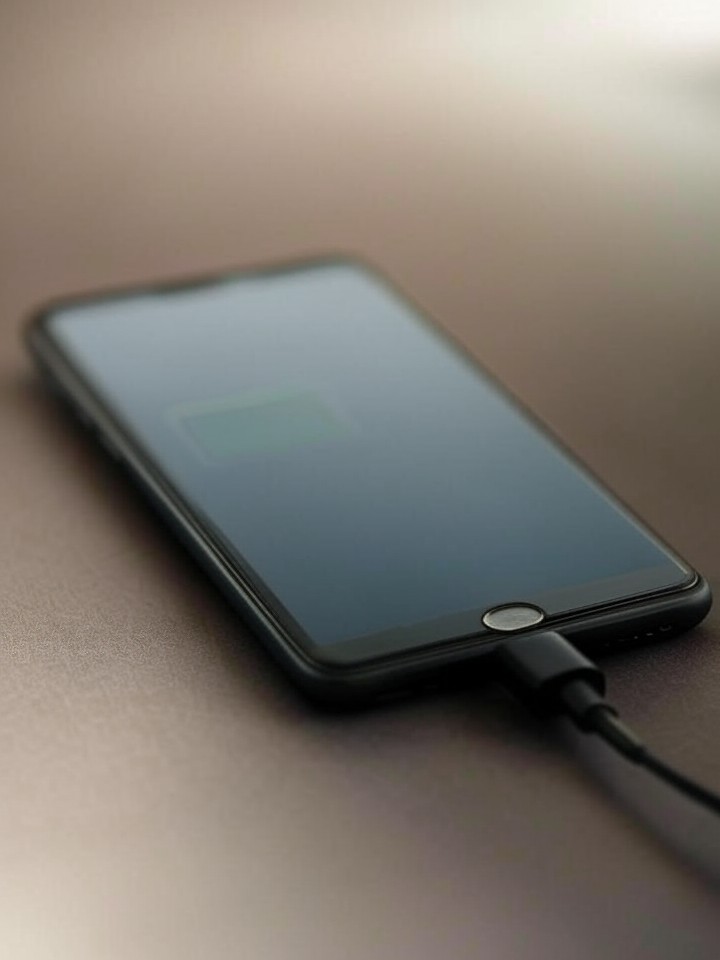
The Hidden Saboteur in Your Pocket: How Chargers Are Quietly Undermining Smartphone Performance
In today’s fast-paced digital landscape, smartphones are lifelines for communication, work, and entertainment. However, a subtle yet pervasive issue is emerging: the role of chargers in degrading device performance. Users and industry experts are increasingly aware that something as mundane as a charger can lead to sluggish operation, unexpected shutdowns, and shortened battery life. This issue extends beyond just slow charging times; incompatible or low-quality chargers can impose long-term stress on a device’s internal components, ultimately slowing down everything from app loading to multitasking.
A report from MakeUseOf highlights how subpar chargers generate excessive heat during the charging process. This heat can throttle the processor to prevent overheating, but repeated exposure can wear down the battery and other hardware, leading to persistent slowdowns even when the phone isn’t plugged in. Modern smartphones, particularly those with advanced lithium-ion batteries, are designed to operate within specific voltage and amperage ranges. When a charger deviates from these specifications—such as delivering inconsistent power—the device has to work harder to regulate energy intake, causing inefficiencies that manifest as reduced speed.
Another critical factor is the mismatch between charger output and device requirements. For example, using a charger with lower wattage than recommended can prolong charging sessions, but more insidiously, it may cause the battery to cycle through incomplete charges, accelerating degradation. Data from battery health analyses indicates that phones subjected to such conditions often see their maximum capacity drop by 10-20% within a year, directly impacting overall performance as the system compensates for diminished power reserves.
📰 Table of Contents
The Heat Dilemma
Heat is a significant enemy of optimal smartphone function, and chargers are often the unwitting instigators. When a charger pushes current at unstable rates, it can cause the battery to warm excessively, triggering the phone’s safety mechanisms. This problem is especially evident in high-end models from brands like Apple and Samsung, where built-in thermal management systems reduce CPU clock speeds to dissipate heat. Over time, this not only slows down immediate tasks but can also lead to permanent hardware strain, as components like the motherboard endure repeated thermal cycles.
Insights from accessory manufacturers, including a guide by Anker US, emphasize that poor-quality cables and adapters often lack adequate shielding, which can lead to electromagnetic interference that exacerbates heating issues. Users may not notice it at first, but background apps running during charging—such as updates or syncs—amplify the problem, turning a simple charging session into a performance bottleneck. Repair centers report a surge in complaints about phones feeling “laggy” after prolonged use of third-party chargers.
Environmental factors also play a role. Charging in hot conditions combined with a faulty charger can push temperatures beyond safe thresholds. Recent posts on X from tech enthusiasts share anecdotes of devices throttling after using budget chargers in warm climates, although these experiences vary and aren’t always verifiable. The consensus among professionals is clear: consistent overheating from charging mishaps contributes to a broader slowdown, affecting everything from gaming frame rates to browser responsiveness.
At the heart of charger-related slowdowns lies battery health, a metric increasingly scrutinized in the tech sector. Lithium-ion batteries degrade naturally over time, but incompatible chargers can exacerbate this issue by causing irregular charging patterns. For instance, chargers that deliver power in bursts rather than a steady stream can lead to overvoltage situations, where the battery absorbs more energy than it can handle safely. This results in chemical imbalances that reduce battery capacity.
A detailed breakdown from Silkland explains how degradation manifests in slower performance: as battery efficiency drops, the phone’s operating system adjusts by limiting power draw to essential functions, effectively capping processor speeds. This is why older phones often feel sluggish—not just because of software bloat, but due to cumulative damage from years of suboptimal charging. Repair data indicates that devices charged exclusively with official accessories retain 85-90% battery health after two years, compared to 70% or less for those using generic chargers.
Software also plays a compounding role. Modern OS updates, like Apple’s Clean Energy Charging, deliberately slow charging to align with greener grid times. While eco-friendly, this can inadvertently contribute to perceived slowdowns if users aren’t aware. Posts on X have highlighted frustrations with such features, prompting some users to disable them to regain speed. However, experts caution that bypassing these features can lead to faster wear when paired with poor hardware.
The Perils of Third-Party Accessories
The market is flooded with third-party chargers promising fast charging at bargain prices, but many fall short on quality. These accessories often lack proper certification, leading to voltage fluctuations that stress the phone’s power management integrated circuit (IC). Over time, this can cause micro-damage to the circuitry, resulting in erratic performance where the device struggles with tasks it once handled effortlessly.
Expert tips from Chaizer Power Bank emphasize the importance of matching charger specs to the device. For Android users, sticking to USB Power Delivery (PD) standards ensures compatibility, while iPhone owners benefit from certified Lightning options. Industry reports show that mismatched chargers can reduce charging efficiency by up to 50%, forcing the phone to draw power inefficiently and slowing down background processes such as data syncing.
Furthermore, cable quality is a hidden villain. Frayed or low-gauge cables increase resistance, leading to voltage drops and slower charging. This keeps the device in a low-power state longer. Recent articles, including one from ZDNET on Android maintenance routines, suggest regular cable inspections as part of a performance-boosting regimen, emphasizing that users should treat chargers as essential components rather than afterthoughts.
Not all slowdowns stem from physical charger issues; software can mimic these symptoms. Outdated firmware might not recognize a charger’s capabilities, defaulting to safe but slow modes. Guidance from Belkin points to common fixes such as resetting the device or updating apps that use excessive resources during charging. In enterprise environments, IT managers report that fleet devices often underperform due to uniform use of generic chargers, compounded by software policies that prioritize battery longevity over speed.
User sentiment on platforms like X reflects a growing awareness of these issues, with threads discussing how cleaning charging ports or switching to branded accessories can revive performance. While these observations are anecdotal, they align with professional diagnostics, suggesting that a holistic approach—combining hardware checks with software tweaks—is essential for mitigation.
To combat charger-induced slowdowns, experts recommend investing in high-quality, brand-matched accessories. Purchasing directly from manufacturers ensures compatibility, as noted in the MakeUseOf analysis, which advises against cheap alternatives that promise but fail to deliver consistent power. This upfront cost can significantly extend device lifespan, reducing the need for premature upgrades.
Regular maintenance is key: cleaning ports to remove lint can prevent intermittent charging, leading to performance dips. Tools like compressed air can help maintain clean connections without risking damage. Additionally, monitoring battery health through built-in tools allows users to spot degradation early and adjust their habits accordingly.
As the industry evolves, new standards like USB4 and advanced wireless charging aim to minimize these issues. Wireless options, while sometimes slower, can reduce wear on ports and cables, potentially alleviating performance drags from physical connections. Manufacturers are also embedding smarter diagnostics; future phones may alert users to incompatible chargers in real-time, preventing long-term damage.
Ultimately, addressing charger-related slowdowns requires a shift in perspective—from viewing chargers as mere accessories to recognizing them as essential partners in device health. This mindset, backed by ongoing innovations, promises a future where performance remains uncompromised.
Fat Joe Unleashes SHOCKING Secrets from Hip-Hop Legends—You Won't Believe Their Reactions!

Houston Startup Shocks Industry: Maersk's $20 Million Bet on Battery Power Could Change Everything!
You Won't Believe What Maine's Governor Just Declared for 2026—Is This the Year Women Farmers Rise?

You Won't Believe How Many People Lost Everything in THIS Shocking Financial Crisis! Are You Next?

Is Your Teen's Social Media Habit Leading Them to a Shocking 40% Increase in Crime? Find Out Now!

2026 College Football Champion Predicted! You Won't Believe Who's Taking the Title—Find Out Now!
You might also like: